
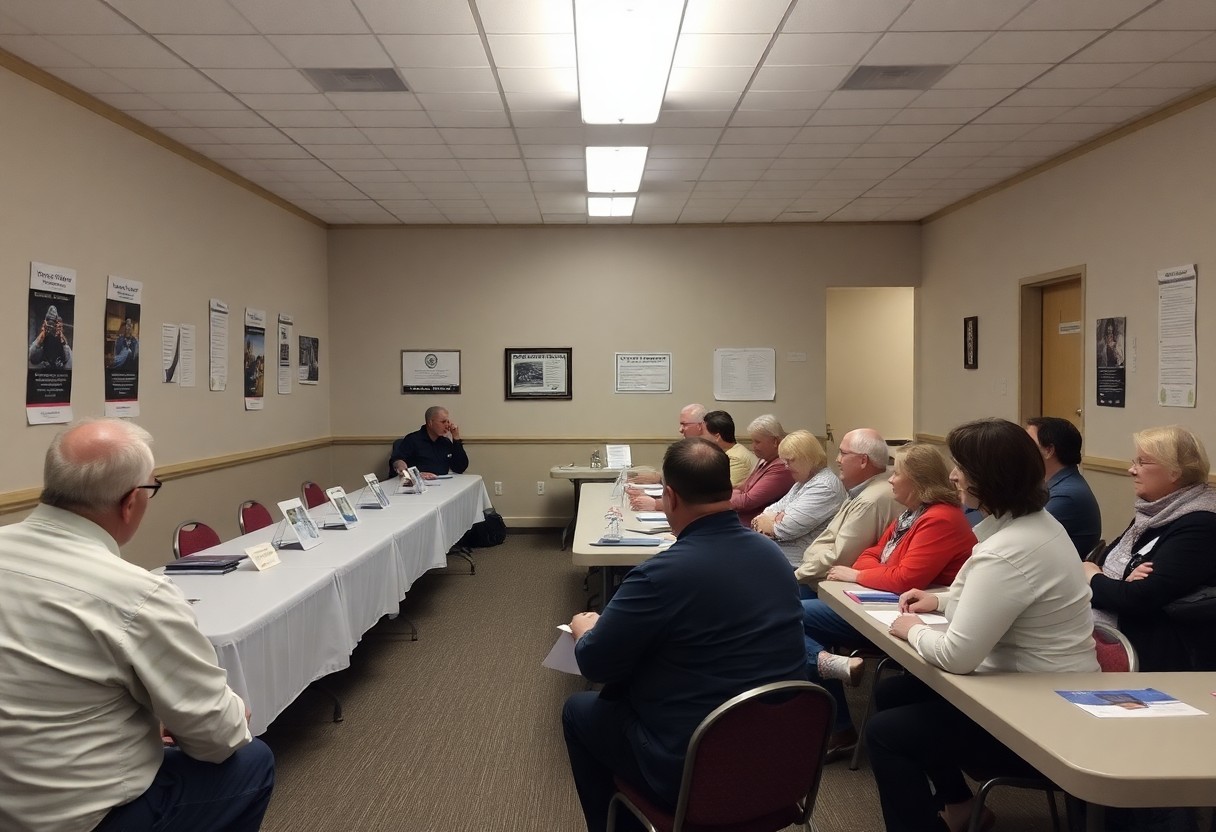
Over the years, engaging the spouses of volunteer firefighters has proven to be a key factor in improving firefighter retention. By hosting effective orientation sessions, you can foster strong connections within the community, helping spouses understand the demands and rewards of the role their partners take on. This not only strengthens relationships but also supports the overall morale and commitment of your volunteer firefighting team. This guide will equip you with the tools to create impactful sessions that involve and empower spouses, enhancing their participation and commitment.
Key Takeaways:
- Engage spouses early by providing comprehensive information about the volunteer firefighter experience and expectations.
- Create an open forum for discussion, allowing spouses to share concerns and ask questions.
- Include testimonials from current firefighters and their spouses to illustrate the benefits of volunteer service.
- Foster community by organizing social events that encourage relationships among members and their families.
- Offer ongoing support and resources for spouses to ensure they feel valued and connected to the firefighting community.
Understanding the Importance of Spouse Orientation Sessions
Spouse orientation sessions are vital for creating a supportive environment for volunteer firefighters. These sessions help you recognize the unique challenges firefighters face, fostering empathy and understanding among family members. By engaging spouses, you cultivate a community that appreciates the commitment and sacrifices required, ultimately boosting retention rates within your department.
Factors Influencing Volunteer Firefighter Retention
Several factors significantly influence volunteer firefighter retention, including individual motivations, organizational support, and family dynamics. You should consider these elements to enhance your retention strategies:
- Motivation: Personal goals and aspirations drive participation.
- Supportive environment: A cohesive team fosters commitment.
- Community engagement: Active involvement encourages long-term dedication.
- Stress management: Addressing firefighter stress improves satisfaction.
The retention of volunteer firefighters is significantly impacted by these factors.
The Role of Spousal Support
Spousal support plays an integral role in the endurance of volunteer firefighters. When family members understand and empathize with the demands of firefighting, they can provide encouragement during challenging times. This support can create a sense of belonging, which is imperative for maintaining morale and commitment.
Research indicates that firefighters with active spousal support report higher satisfaction and commitment levels. Families that participate in training events or community functions often forge stronger connections with their firefighters, enhancing the overall resilience of your team. Providing resources and information during orientation helps spouses navigate their unique roles, making them feel more included and valued in the firefighting community. Ultimately, this support not only strengthens personal relationships but also propels firefighter retention efforts.
How-To Design Effective Spouse Orientation Sessions
Crafting impactful spouse orientation sessions requires thoughtful planning and an understanding of the unique challenges volunteer firefighters face. Focus on delivering relevant information in a welcoming atmosphere, addressing potential concerns, and fostering connections among participants. Effective sessions will not only inform spouses but also empower them to support their partner, enhancing overall retention.
Key Components to Include
Incorporate important topics such as the duties and responsibilities of volunteer firefighters, stress management strategies, and available resources for families. Make sure to include discussion on safety protocols, regular training schedules, and how spouses can participate in community events. It’s vital that attendees leave with a clear understanding of their partner’s commitment and how to support it.
Engaging Format and Delivery Methods
Utilize an interactive format that fosters participation, such as group discussions, breakout sessions, and Q&A panels. Complement traditional presentations with multimedia elements, like videos or testimonials from experienced firefighter families, to reinforce messages. The use of hands-on activities can also create memorable learning experiences and help solidify bonds between families.
Engaging formats enhance retention by making learning enjoyable and relevant. Consider starting with icebreakers to establish a rapport among attendees. Following presentations with breakout groups allows for deeper discussions tailored to specific concerns. You might use multimedia tools, such as slideshows or interactive polls, to maintain interest and encourage interaction. By actively involving participants, you create a dynamic environment that promotes connection and community support.
Tips for Facilitating Meaningful Discussions
- Encourage participation from all spouses.
- Use open-ended questions to stimulate thoughtful responses.
- Be inclusive and ensure everyone has a chance to contribute.
- Set ground rules for respectful dialogue.
Facilitating discussions effectively hinges on fostering an environment where spouses feel valued and engaged. Perceiving this need, you must invite diverse perspectives while creating a space that supports candid exchanges.
Creating a Comfortable Environment
To maximize engagement, establish a space that feels warm and welcoming. Utilize comfortable seating, adequate lighting, and a layout that encourages interaction. Consider providing refreshments to help ease tension and promote a relaxed setting. This atmosphere is important for participants to feel safe sharing their thoughts and experiences.
Encouraging Open Communication
Promoting open communication means actively inviting input and acknowledging all contributions during discussions. By using techniques such as reflective listening and summarizing points made by spouses, you validate their feelings and opinions. This practice encourages others to share openly and builds trust within the group. Concrete examples, such as sharing personal stories of experiences or challenges, can further facilitate relatable dialogue.
Incorporating Feedback Mechanisms
Integrating feedback mechanisms into your spouse orientation sessions is vital for continuous improvement and engagement. By actively seeking participants’ input on their experiences, you create an environment where everyone feels valued and heard, leading to higher retention rates for volunteer firefighters.
Gathering Insights from Participants
To genuinely understand the perspectives of spouses, employ various feedback tools such as anonymous surveys, suggestion boxes, or direct interviews. Tailor your questions to elicit specific insights about the orientation’s content, structure, and overall effectiveness. This approach ensures that you receive a diverse range of opinions and experiences.
Implementing Changes Based on Feedback
Once you’ve collected feedback, prioritize which suggestions to implement to enhance future sessions. By making evident adjustments based on this input, you demonstrate that you value participants’ opinions and are committed to creating a supportive environment for both firefighters and their families.
Implementation of feedback often involves revising session topics, adjusting the duration of meetings, or even changing the venue to better suit attendees. For instance, if multiple spouses express a need for more information on stress management strategies, consider integrating a dedicated segment on that topic in future orientations. Sharing these changes in subsequent sessions not only reinforces the idea that their voices matter but also fosters a sense of community among participants, encouraging deeper connections and commitment to the role of supporting volunteer firefighters.
Building a Support Network for Volunteers and Their Spouses
Creating a strong support network encourages volunteer firefighters and their spouses to connect, fostering camaraderie and reducing feelings of isolation. By facilitating relationships among families, you enhance communication, which in turn boosts overall retention rates. This network ensures that spouses feel valued and included, creating a united front when facing the challenges of a demanding volunteer role.
Resource Sharing and Networking Opportunities
Facilitating resource sharing and networking opportunities allows spouses to leverage existing connections and knowledge. Consider organizing regular meet-ups or online groups where they can exchange tips on balancing home life with the demands of fire service. By tapping into collective experiences, they can discover local services, such as childcare options or job resources, that directly impact their daily lives.
Organizing Follow-Up Events
Organizing follow-up events is imperative to maintain momentum and strengthen the bonds formed during initial orientation sessions. These gatherings can include social events, workshops, or training sessions tailored to interests and needs identified by the group. Providing ongoing opportunities for interaction not only enhances community but also encourages continued participation and commitment to the volunteer services.
Plan follow-up events at regular intervals to keep the enthusiasm alive. A quarterly family picnic, seasonal celebrations, or workshops led by experienced firefighters can keep everyone engaged. These occasions not only serve as enjoyable breaks but also reinforce the support network you’ve built, allowing new connections to flourish. Having a calendar of events ready can encourage spouses to actively participate and feel more involved in the fire service community, ultimately aiding in retention efforts.
Celebrating Volunteer Achievements with Spouses
Engaging spouses in the celebration of volunteer achievements fosters a sense of belonging and pride within the firefighting community. By organizing events that highlight these accomplishments, you not only recognize the hard work of the volunteers but also emphasize the integral role that their spouses play. This dual celebration can lead to stronger bonds and increased commitment, enriching the overall experience for families involved in the firefighting service.
Recognizing Contributions
Make it a point to formally acknowledge the contributions of both volunteers and their spouses during ceremonies or gatherings. Recognizing not just the bravery of the firefighters, but also the unwavering support from their spouses can enhance morale and create a more inclusive atmosphere. Small gestures, such as certificates of appreciation or spotlight stories shared during events, can make a significant impact on family engagement and loyalty.
Fostering Community Spirit
Creating events that involve both firefighters and their spouses cultivates a strong community spirit. By hosting family days or volunteer appreciation picnics, you bring everyone together, reminding them that they are part of a larger family that values service and camaraderie. This communal celebration reinforces the imperative networks that support volunteerism, promoting well-being and sustained participation.
Community spirit can be fostered by incorporating activities that allow families to interact outside of formal firefighting duties. Organizing team-building games, family-friendly competitions, or charity events enables spouses and kids to mingle, share stories, and form friendships. When volunteers and their families see their collective achievements celebrated, it strengthens their bonds and fosters a collaborative environment, ultimately contributing to better retention rates and a robust volunteer framework.
Conclusion
Ultimately, hosting effective spouse orientation sessions can significantly enhance your volunteer firefighter retention efforts. By creating an inclusive environment that fosters connection and support, you enable spouses to feel valued and informed. This engagement not only strengthens family ties but also builds a resilient community around your department. Focus on providing relevant information, encouraging feedback, and facilitating networking opportunities. When spouses are actively involved and invested, they become powerful allies in the journey of their loved ones in service, leading to greater satisfaction and commitment to the volunteer fire service.