
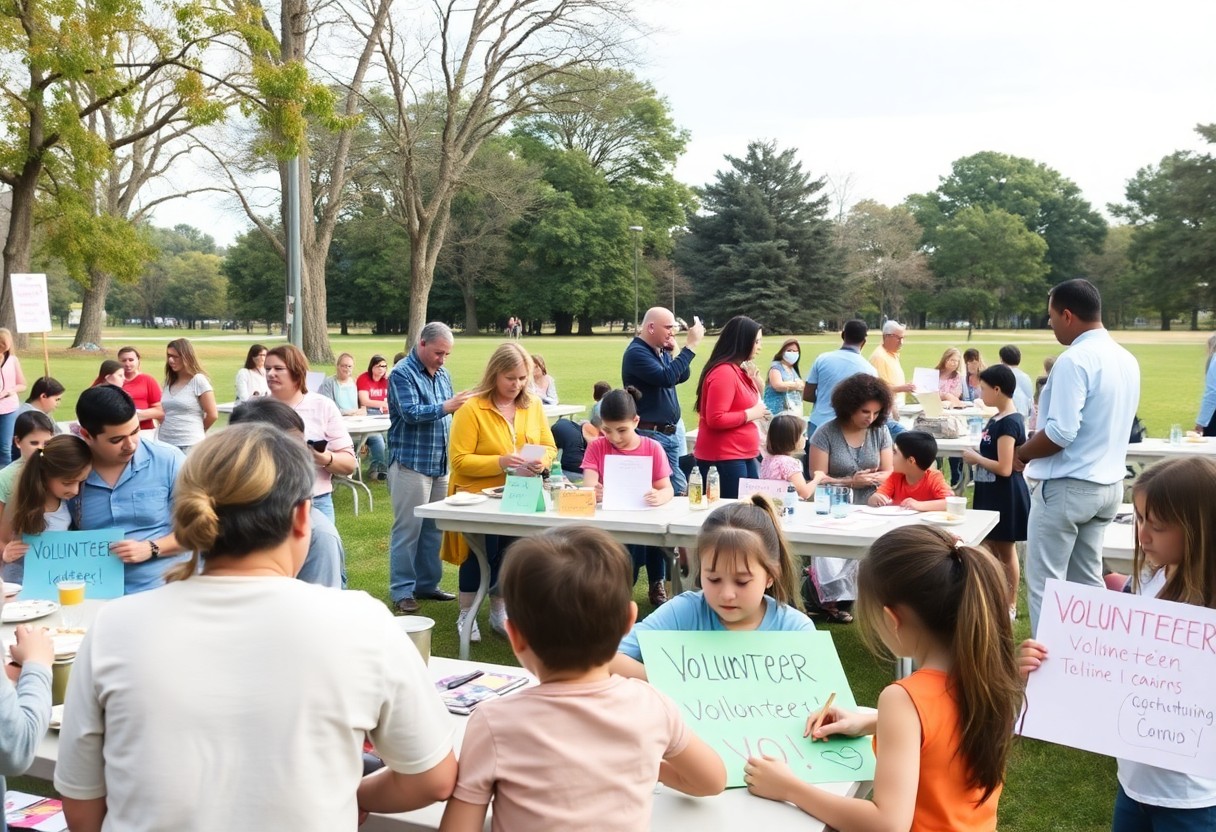
Many organizations overlook the significance of involving spouses and families when recruiting and retaining volunteers. By engaging the entire family unit, you create a supportive environment that fosters enthusiasm, builds commitment, and enhances volunteer satisfaction. This approach not only strengthens the bond between volunteers and your organization but also increases retention rates as family members feel valued and empowered. In this guide, you will discover effective strategies to integrate families into your volunteer programs, ensuring that your recruitment efforts lead to lasting relationships and a thriving community.
Key Takeaways:
- Involve families early in the recruitment process to create a sense of community and belonging.
- Communicate the benefits of volunteering to volunteers’ spouses and families to gain their support.
- Organize family-friendly events to foster engagement and strengthen bonds among volunteers and their families.
- Establish feedback mechanisms for families to share their experiences and improve initiatives.
- Highlight the positive impact of volunteering on both the volunteers and their families to encourage sustained participation.
Understanding the Importance of Family Involvement
Your volunteer program can thrive with active family involvement, as this not only strengthens the support network but also enriches the experience for everyone. Families provide a *foundation* of encouragement, which can *enhance emotional investment* in the cause. When volunteers feel backed by their families, they tend to be more committed and engaged, ensuring long-term participation and enthusiasm for shared goals.
The Role of Spouses and Families in Volunteerism
Spouses and families play a *significant role* in volunteerism by fostering motivation and enthusiasm within your volunteers. When family members express support for volunteer activities, it can markedly increase the likelihood of participation. Their involvement can provide both practical assistance and emotional backing, making the volunteer experience more fulfilling and enjoyable.
Benefits of Engaging Families in Volunteer Programs
Incorporating families into your volunteer programs brings a multitude of benefits. Engaged families lead to *higher volunteer retention rates,* better teamwork, and a more positive environment. This involvement creates a sense of community, making everyone feel valued and integrated, which enhances overall morale and effectiveness in achieving your mission.
When families participate together in volunteer activities, they not only strengthen *family bonds* but also align their values with the mission of your organization. For instance, programs like family volunteer days have shown to boost engagement, reflecting a 30% increase in participation rates. Involving families fosters a shared sense of purpose, enhances accountability among volunteers, and often encourages them to recruit others, thus amplifying your outreach efforts. Ultimately, a *family-friendly* approach transforms volunteering into a holistic experience that enriches both volunteers and the communities they serve.
How to Effectively Recruit Volunteers
A well-structured recruitment strategy is important for attracting committed volunteers. Begin by understanding your audience and tailoring your message to their interests and motivations. Share compelling stories that showcase the impact of volunteer work and align your organization’s mission with potential volunteers’ values. Highlight the availability of flexible schedules and opportunities for skill development, fostering an environment that resonates with individuals looking to contribute positively to their communities.
Crafting Compelling Volunteer Opportunities
When creating volunteer positions, focus on articulating clear expectations and meaningful roles that harness each volunteer’s strengths. Describe the benefits of participation while ensuring opportunities are engaging and impactful. Consider setting specific goals for projects, allowing volunteers to see the results of their efforts, which increases motivation and satisfaction.
Utilizing Social Media and Community Networks
Leverage social media platforms and local community networks to attract potential volunteers effectively. Utilize targeted ads and regular posts that engage viewers and encourage sharing within their circles. Collaborating with local businesses and organizations can broaden your reach, allowing you to tap into already established networks while fostering community spirit.
Engagement through social media is particularly effective due to the high connectivity rates among users. For instance, platforms like Facebook and Instagram can help promote volunteer opportunities to specific demographic groups, allowing you to target young families or retirees with messaging that resonates with their interests. Create shareable content, such as informative videos or testimonials, and actively involve your existing volunteers in promoting your cause online. A study shows that volunteer recruitment efforts through social media can increase sign-ups by up to 50%, making it an invaluable tool for expanding your network.
Tips for Involving Families in Volunteer Activities
Engaging family members in volunteer activities enhances *commitment* and *sustainability*. To successfully include families, consider the following strategies:
- *Host inclusive events* that accommodate all ages.
- *Promote family-oriented volunteer roles*, such as buddy systems.
- *Create opportunities for social interaction* among families.
- *Facilitate volunteer training* that parents can attend with their children.
Any effort to involve families connects them to your mission and fosters a supportive environment.
Creating Family-Friendly Volunteer Events
Designing *family-friendly volunteer events* makes it easier for relatives to participate together. Choose locations that are accessible and safe for all ages, and provide engaging activities for younger participants while their parents volunteer. For instance, organizing a community cleanup where kids can help decorate garbage bags or create art on-site keeps everyone involved. This approach not only makes volunteering enjoyable but also instills a sense of responsibility in younger generations.
Offering Flexible Participation Options
Flexibility in participation is key to accommodating your volunteers and their families. Providing various options, such as *short-term projects*, *remote volunteering*, or *weekend activities*, helps meet diverse schedules and preferences. These alternatives allow families to tailor their involvement based on their unique circumstances, ensuring everyone can contribute meaningfully without feeling overwhelmed.
Research shows that flexible volunteering options significantly increase participation rates. For example, organizations that offer virtual roles see a 30% higher engagement level compared to traditional settings. By acknowledging the varying schedules of families, you allow them to volunteer in a way that fits seamlessly into their lives. Consider also implementing hybrid models where families can join in person or participate through live-streamed activates, accommodating those unable to travel. Such arrangements ensure that everyone, even from their homes, can feel connected and contribute to your cause.
How to Retain Volunteers Through Family Engagement
Integrating family involvement into your volunteer program not only broadens the support network but also deepens commitment. When you create opportunities for families to engage, volunteers feel valued, knowing their loved ones support their efforts. This unity fosters a greater sense of loyalty and can significantly enhance retention rates, as families typically want to contribute to local causes together.
Building Strong Relationships with Volunteers and Their Families
Establishing strong connections with your volunteers and their families paves the way for a more cohesive volunteer environment. Regular communication through newsletters, social events, and personal check-ins can help you understand their needs and preferences. When families feel included and appreciated for their support, it strengthens the bond between them and your organization, resulting in higher retention rates.
Implementing Recognition Programs for Family Contributions
Recognition programs celebrating family involvement not only motivate volunteers but also acknowledge the collective effort put forth by families. By recognizing shared contributions during events or through social media shout-outs, you create a culture of appreciation. Highlighting family achievements encourages continued participation and fosters a sense of ownership in your organization’s mission.
To effectively implement recognition programs, consider dedicated awards or certificates for families that consistently volunteer together. Organizing family appreciation days with fun activities and publicly honoring those contributions bolsters morale across the board. For instance, your organization might create a “Family of the Month” feature to showcase their impact on your mission. These initiatives not only celebrate family involvement but further instill a strong sense of community and belonging, which is vital for long-term volunteer retention.
Factors Influencing Volunteer Retention
Several key factors contribute to the retention of volunteers, impacting their long-term commitment to your organization. Involving their families creates a shared sense of purpose, enhancing the overall experience. Factors such as effective communication, recognition of effort, and opportunities for personal development play significant roles. Additionally, providing a clear understanding of the impact volunteers make can deepen their connection. Maintaining a supportive and engaging environment is important for fostering lasting relationships with volunteers. After addressing these core aspects, you’ll likely see improved loyalty and satisfaction among your volunteers.
Understanding Volunteer Motivations
To effectively engage volunteers, it’s vital to understand their individual motivations. Many are driven by personal values such as altruism, the desire for community involvement, or the need for skill development. Some may seek social connections or professional growth through volunteering. By identifying what matters most to each volunteer, you can tailor your approach and create opportunities that resonate with their aspirations, ultimately enhancing their experience.
Addressing Challenges Faced by Volunteers’ Families
Volunteers’ families often encounter challenges that can impact the volunteer’s ability to continue with their commitments. Factors such as time constraints, lack of support, and feelings of isolation can hinder participation. Ensuring that spouses and family members feel included and valued can mitigate these issues. Providing flexible volunteer opportunities that accommodate family schedules helps to alleviate stress and encourages more cohesive involvement.
To effectively address challenges faced by volunteers’ families, consider implementing specific measures such as family-inclusive events and communication platforms that keep all family members informed and engaged. By creating designated family roles or providing them with opportunities to participate in decision-making, you foster a sense of ownership and attachment to the organization. Additionally, offering resources and support services that help families manage their time can lead to an even smoother volunteer experience. Creating an environment where families feel recognized and valued not only strengthens commitment but also enhances the overall volunteer atmosphere.
Best Practices for Sustaining Volunteer Engagement
Continuous Communication and Feedback
Maintaining open lines of communication with your volunteers is fundamental to their engagement. Regular updates about projects, achievements, and volunteer impact foster a sense of belonging and importance. Create feedback mechanisms that allow volunteers to share their experiences and suggestions, empowering them to feel valued. For instance, implementing short surveys after each event can provide insights and build a culture of transparency.
Strategies for Long-Term Commitment
Developing initiatives that cater to volunteers’ evolving needs fosters lasting dedication. Create pathways for personal and professional growth through training programs or special roles tailored to individual skills and interests. Additionally, organizing social gatherings or family-inclusive events can enhance their connection to your organization. For example, a quarterly family picnic can strengthen relationships and create a supportive network.
Establishing a commitment framework is vital. Setting clear expectations and goals while offering recognition for volunteer milestones can significantly increase retention rates. Incorporate story-sharing sessions where volunteers can discuss their contributions and experiences, celebrating both individual and collective achievements. By consistently emphasizing the personal benefits of volunteering-such as enhanced skills or community connections-you reinforce their motivation, ultimately cultivating a dedicated and involved volunteer base.
To wrap up
As a reminder, by actively engaging your volunteers’ spouses and families, you can create a more supportive and cohesive volunteering community. This approach not only fosters stronger relationships but also enhances retention rates, as family involvement can significantly increase a volunteer’s commitment. You should focus on open communication, inclusive events, and opportunities for families to connect with your organization’s mission. By making families feel valued, you cultivate a welcoming environment that encourages lasting participation.