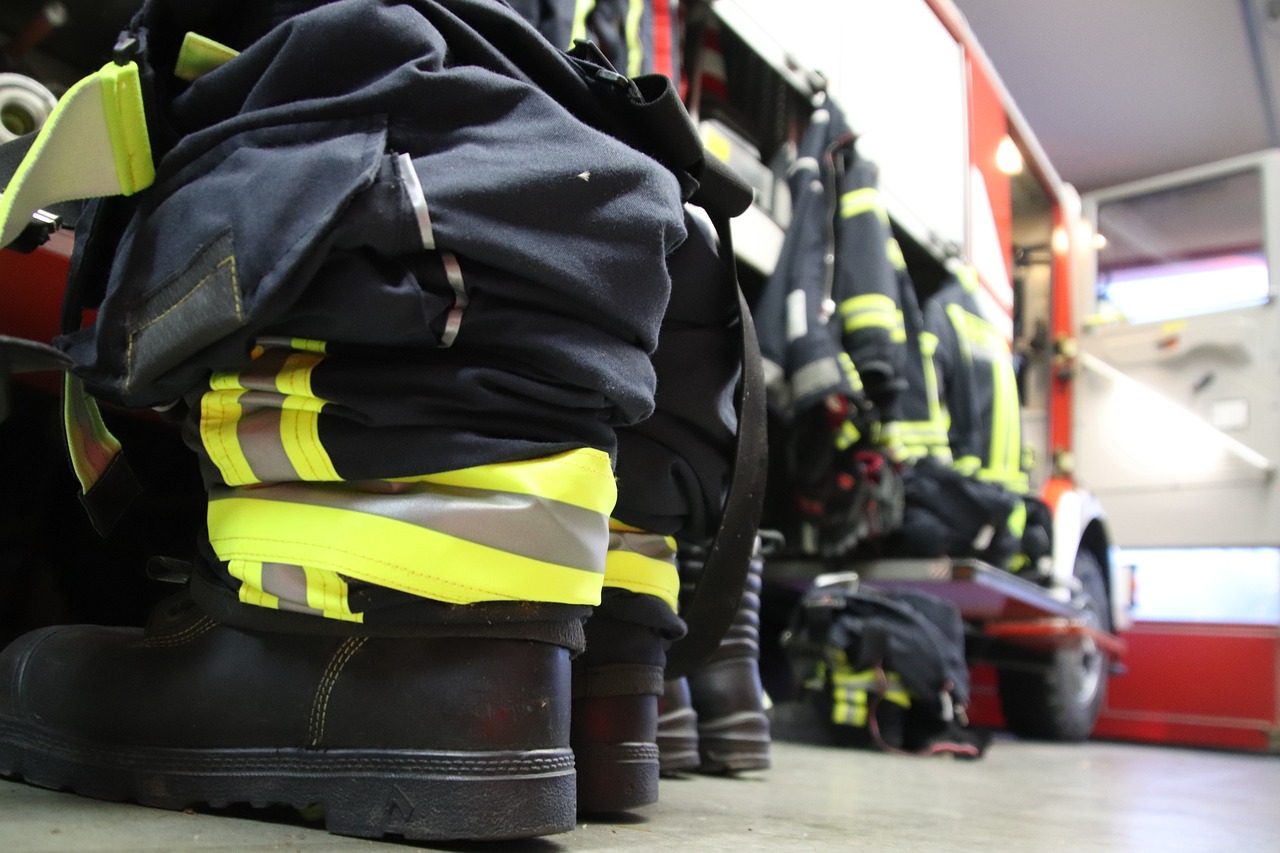
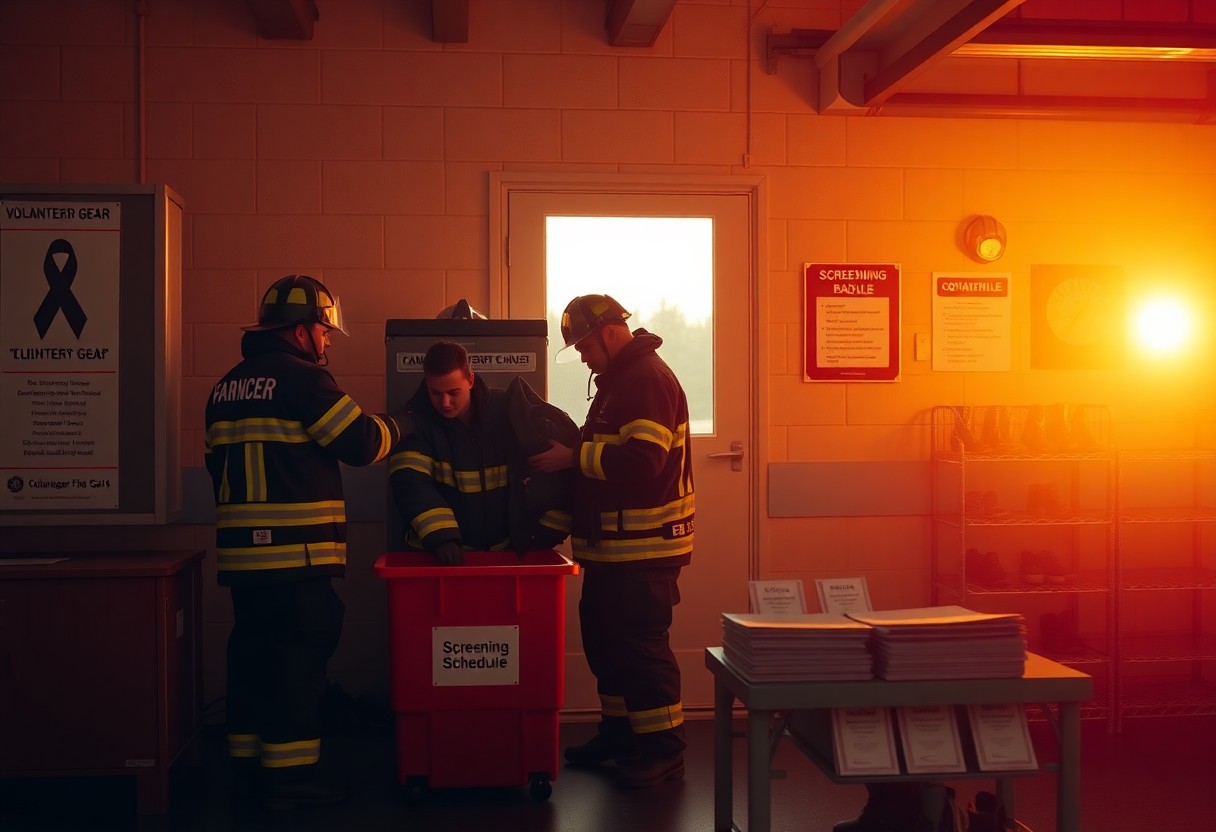
Firefighters, you must prioritize gear decontamination, regular medical screenings, and strict exposure protocols to reduce cancer risk and protect your crew.
Identifying Occupational Health Risks and Carcinogens
Assess the common occupational exposures-soot, diesel exhaust, PAHs, PFAS, and asbestos-that increase cancer risk for firefighters, and ensure your department tracks incidents, PPE use, and decontamination to reduce long-term harm.
Critical Factors Contributing to Firefighter Cancer Rates
Identify these contributors:
- contaminated turnout gear and PPE
- skipped or delayed on-scene decontamination
- long or repeated exposure durations
- diesel exhaust and engine cab contamination
The department must require decon and exposure logging so you can reduce long-term cancer risk.
Recognizing the Dangers of Toxic Combustion Byproducts
Understand that combustion byproducts like PAHs, VOCs, formaldehyde, and ultrafine particles adhere to gear and enter cabs, so you must limit contact, ventilate, and decon immediately after incidents.
Protect your crew by treating soot and residue as hazardous: keep turnout out of living areas, ventilate apparatus cabs before re-entry, and require SCBA until overhaul is finished. You must perform gross decon on-scene, bag contaminated gear for prompt laundering, maintain exposure logs, and provide regular medical screening so you can spot exposure trends and act early.
Implementing Rigorous Decontamination Procedures
You must enforce standardized decon after every call: set PPE removal zones, perform gross decontamination, launder turnout gear promptly, and log actions so crews adopt safer habits and reduce carcinogen exposure.
How-To Perform Immediate On-Scene Gross Decon
When you implement on-scene gross decon, remove visible soot with low-pressure water and wipes, bag heavily soiled items, separate clean and dirty zones, and ensure personnel rinse before doffing PPE.
Essential Tips for Deep Cleaning Turnout Gear
Use manufacturer-approved cleaners, wash gear separately to prevent abrasion, inspect closures and liners after cleaning, and dry thoroughly in a ventilated area before you store gear.
- Separate contaminated and clean gear during transport and storage.
- Use cold-water cycles and approved detergents to avoid damaging membranes.
- Assume that routine inspections will reveal hidden contamination requiring professional cleaning.
Inspect gear seams, pockets, and liners closely for trapped debris, follow label instructions for wash and dry cycles, rotate spares so you always have decontaminated gear available, and record cleaning dates in a gear log.
- Dry at manufacturer-recommended temperatures to prevent damage.
- Send liners or heavily soiled pieces for professional cleaning when needed.
- Assume that water-only rinses may not remove all contaminants; use validated cleaning agents.
Establishing Departmental Safety Standards and Policies
Set written safety standards and enforce PPE, decon, and incident reporting so you protect members and reduce cancer risk; align policies with NFPA and local EMS, update regularly, and require documented training and accountability.
Factors for Implementing Mandatory SCBA Use Protocols
Ensure you mandate SCBA use where airborne hazards exist, during overhaul, and anytime respirable contaminants are suspected; define exceptions, fit-testing, maintenance schedules, and enforcement measures.
- Clear triggers for donning SCBA
- Routine fit-testing and certified training
- Accountability logs and supervisory enforcement
- Maintenance and replacement protocols
- Any exceptions must be documented and approved in writing
How-To Design an Annual Medical Surveillance Program
Plan an annual medical surveillance program that screens for respiratory, skin, and cancer indicators, includes baseline exams, exposure tracking, and confidential records; require physician review, follow-up testing, and clear return-to-duty criteria for you and your crew.
Implement standardized questionnaires, periodic biomonitoring, and access to occupational medicine specialists so you detect early signs and document exposures; integrate immunizations, pulmonary function tests, and targeted cancer screening, maintain confidentiality, and schedule prompt follow-up and referral when results indicate concern.
Upgrading Facilities for Contamination Control
Station upgrades should include dedicated decon areas, washable surfaces, and separate storage to limit carcinogen spread; you should budget for extraction systems and routine cleaning to protect volunteers and reduce exposure.
Tips for Creating Clean and Dirty Zones in the Station
Design clear clean and dirty zones with signage, flooring changes, and strict PPE rules; limit access and use storage lockers for contaminated gear. Knowing you decrease cross-contamination when personnel follow zone protocols.
- Post visible zone signage and protocols at all entrances.
- Use different flooring or mats to mark transitions.
- Provide designated lockers and boot washes for contaminated items.
How-To Manage Exhaust Removal and Proper Gear Storage
Install vehicle exhaust removal at bay doors and separate drying racks for turnout gear; you should schedule regular checks and prevent indoor idling to keep air clean.
Maintain tailpipe capture systems, automatic shutoffs, and inline fans so exhaust never enters living spaces; you should place airtight lockers for contaminated gear and ventilated drying cabinets for damp PPE. You must schedule filter changes, test fans, and train crews to bag and launder gear promptly to keep contaminants out of common areas.
Fostering a Culture of Accountability and Education
Accountability and ongoing education make safety second nature; you set clear expectations, model safe behavior, and schedule short, targeted sessions on cancer risks and PPE practices.
Key Factors in Overcoming Traditional Resistance to Change
Tradition in volunteer departments often resists change, so you build trust with transparent policies, peer-led training, and active leadership support. After you demonstrate practical benefits and reduced risk, members begin to adopt new practices.
- Visible leader participation in PPE and decon
- Appoint peer champions for small-group coaching
- Share simple exposure data and outcomes
Tips for Ongoing Safety Training and Awareness Workshops
Schedule brief, hands-on sessions that cover cancer risks, decontamination, and PPE checks, and rotate instructors to keep content fresh. Knowing you provide frequent refreshers, members retain safer habits and report hazards sooner.
- 15-20 minute scenario-based drills
- Rotate instructors and topics monthly
- Quick decon and PPE check demonstrations
Integrate scenario-based drills, short toolbox talks, and guest health experts into monthly schedules so you reinforce learning and normalize cancer-prevention behaviors. Peer feedback and simple tracking of training completion help you spot gaps and adjust content. Knowing regular, varied practice turns procedures into habits and reduces long-term exposure.
- Monthly scenario drills with realistic tasks
- Toolbox talks after shifts to reinforce points
- Periodic visits from occupational health professionals
- Track attendance and training gaps for follow-up
Navigating Funding for Cancer Prevention Initiatives
Start by mapping local, state, and philanthropic funding sources so you can target grants and donations that align with your department’s cancer prevention goals.
How-To Secure Grants for Specialized Cleaning Equipment
Identify grantors’ priorities, compile exposure and outcome data, secure partner letters, and outline maintenance costs so you can present a competitive, realistic proposal.
Factors in Budgeting for Second Sets of Personal Protective Gear
Calculate per-crew costs, replacement schedules, cleaning and storage expenses, and training time so you can budget for reliable second sets.
- Initial purchase and correct sizing;
- Ongoing cleaning, repair, and storage needs;
- Assume that you will schedule replacements and include fit testing and disposal costs.
Plan for phased purchases, bulk discounts, and mutual aid agreements so you can spread costs and reduce readiness gaps.
- Phased procurement eases cash flow;
- Vendor support and warranties lower lifecycle expenses;
- Assume that partner departments may share replacement or storage responsibilities.
Final Words
Taking this into account, you should build clear safety policies, enforce PPE and decontamination, provide cancer-awareness training and screenings, encourage reporting and peer support, and track exposures so your volunteer department reduces risk and sustains operational readiness.
FAQ
Q: How can volunteer fire departments create and maintain a culture of safety and cancer awareness?
A: Department leaders should commit to clear, visible policies that prioritize safety and cancer risk reduction. Regular training that covers hazard recognition, personal protective equipment (PPE) use, on-scene decontamination, and post-incident actions helps keep awareness current. Peer-led discussions and after-action reviews promote accountability and allow teams to correct unsafe habits. Consistent messaging from officers and elected officials reinforces expectations and normalizes health-protective behaviors. Tracking incidents, near-misses, and exposure reports provides data to guide policy changes and resource allocation.
Q: What specific procedures and equipment practices reduce cancer risk during and after incidents?
A: Implement on-scene gross decontamination for gear and skin as soon as practical to remove carcinogenic soot and particulates. Require full PPE and SCBA while on-scene, and enforce a strict separation of contaminated and clean zones in apparatus and stations. Establish protocols for safe gear storage, routine cleaning, and station laundering or contracted cleaning for turnout gear. Prohibit eating, drinking, or storing food in contaminated gear areas to prevent ingestion of toxic residues. Provide access to appropriate PPE replacement, fit testing, and post-exposure medical evaluation after high-risk calls.
Q: How can departments set up ongoing cancer awareness, health monitoring, and support for volunteers?
A: Create an annual education plan that includes cancer risk factors, early symptoms, and practical prevention steps for firefighters and families. Partner with occupational health providers or local hospitals to offer baseline medical exams, periodic screenings, and guidance on biomarkers or imaging when indicated. Maintain confidential exposure and medical records, and develop a clear incident-reporting pathway that triggers follow-up evaluations. Offer mental health and peer-support resources to address stress-related barriers to health care access. Seek grants or cooperative agreements to fund screening programs, decontamination equipment, and training to keep programs sustainable.