
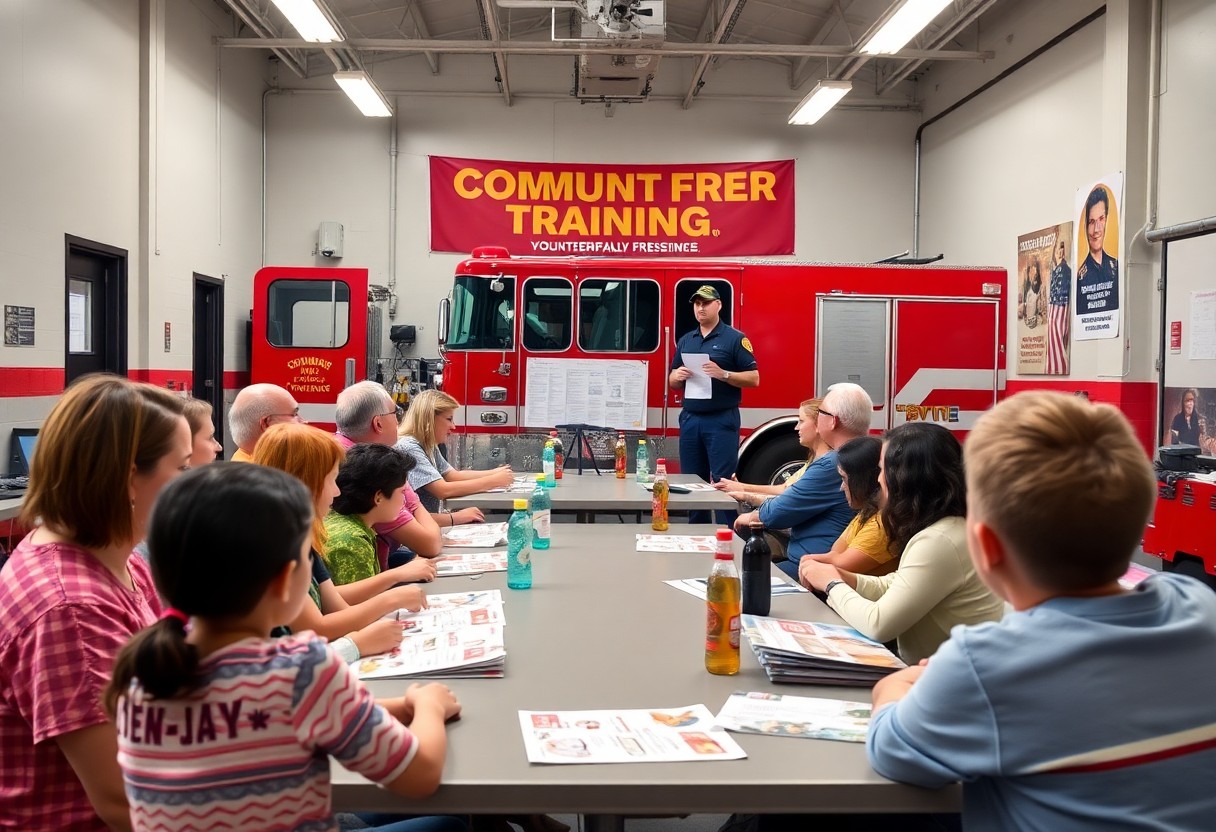
Just as you are dedicated to serving your community as a volunteer firefighter, your family plays a vital role in your success. Encouraging their support and understanding can create a strong foundation for your training and commitments. By effectively communicating the importance of your role and involving them in your journey, you can foster a sense of shared commitment that enhances your ability to respond to emergencies. This guide offers practical strategies to cultivate that buy-in and ensure your family stands beside you in this noble endeavor.
Key Takeaways:
- Communicate the importance of volunteer firefighting and its impact on the community.
- Involve family members in training sessions to help them understand the commitment required.
- Highlight the personal and familial benefits of being a volunteer firefighter, such as skills development and community connections.
- Encourage open discussions about time commitments to address concerns and manage expectations.
- Celebrate achievements and milestones of firefighters to foster a sense of pride and support within the family.
Understanding Family Buy-In
Fostering family buy-in is crucial for ensuring that volunteer firefighters can fully commit to their training and responsibilities. Engaging family members in discussions about the demands and rewards of this role can bridge gaps in understanding and create a supportive environment. When families are informed and invested, they can better appreciate your commitment, encouraging a communal spirit that enhances participation and dedication.
Importance of Family Support
Family support plays a vital role in maintaining your motivation as a volunteer firefighter. When your loved ones understand and value your contributions, it boosts your morale and increases the likelihood of consistent participation. Supportive family dynamics can lead to improved mental health and greater resilience during challenging situations, reinforcing your ability to serve effectively.
Factors Influencing Commitment
Several factors can greatly impact your commitment to volunteer firefighting. Availability of time, the emotional support from family, and the degree of personal fulfillment you derive from serving your community are key considerations. Balancing personal and professional responsibilities alongside firefighting duties is also crucial for sustained involvement.
- Time availability
- Emotional support
- Personal fulfillment
- Balance of responsibilities
Be aware that external factors, such as competing commitments and life changes, can shift dynamics and affect your dedication. It’s important to regularly assess and communicate your needs to prevent disconnects. Perceiving any potential barriers early can help you and your family address them together, ensuring your commitment remains strong and unified.
- External factors
- Communication
- Barriers
- Unified commitment
Family discussions about potential hurdles-like time constraints from work or school schedules-can reveal collective strategies to address them. For instance, establishing a family calendar may improve coordination and alleviate stress. Perceiving these conversations as teamwork could transform challenges into shared solutions, strengthening your family’s bond around your volunteer efforts.
Effective Communication Strategies
To successfully engage families in volunteer firefighter training, implement effective communication strategies that foster connection and clarity. Utilizing regular newsletters, social media updates, and family meetings keeps everyone informed about training schedules, safety protocols, and community engagement. This not only ensures transparency but also demonstrates the collective investment in your mission. By sharing success stories and showcasing the positive impacts of volunteer firefighters, you reinforce the value of their support.
Techniques for Engaging Families
Involve families through interactive workshops and open houses, allowing them to experience firsthand what their loved ones do. Offer opportunities for family members to participate in basic training exercises, helping them understand the physical and emotional demands of volunteer firefighting. Consider organizing social events focused on building relationships among families while fostering a supportive community around the volunteers.
Addressing Concerns and Misconceptions
Families often have valid concerns and misconceptions about the risks, time commitments, and overall impact of volunteer firefighting. By acknowledging these issues and providing clear, factual information, you can alleviate fears and enhance understanding.
Common misconceptions include the idea that all firefighting training is dangerous or excessively time-consuming. Highlight that training involves stages with safety protocols and flexible schedules tailored to various commitments. Share statistics on the low incidence of injury among volunteers and anecdotes from seasoned firefighters demonstrating the support systems in place. By clarifying these points, you’ll empower families to see the positive contributions and manageable commitments associated with volunteer firefighting, ultimately fostering a strong support network.
Building a Supportive Environment
Creating a nurturing atmosphere for your volunteer firefighters is crucial for their growth and resilience. You can foster a supportive environment by providing resources, emotional backing, and acknowledging their efforts. Celebrate milestones, involve family members in planning gatherings, and ensure that everyone feels valued. This sense of community will not only boost morale but also strengthen personal ties, reinforcing the importance of the commitment they have made.
Creating Volunteer Opportunities Together
Engaging in volunteer opportunities as a family can deepen connections and enhance trust in the firefighting journey. Work together to identify local events, fundraisers, or training sessions where your family’s involvement can make a difference. This collaboration cultivates a sense of teamwork and shared purpose, making the volunteer experience rewarding for everyone.
Encouraging Family Participation
Family participation is vital in bolstering the commitment of volunteer firefighters. By actively involving families, you create an inclusive atmosphere that values their contributions. Organize family-oriented events, where each person can play a role-whether through planning, logistics, or attendance. This involvement helps forge a strong support network, vital for handling the emotional and physical challenges of firefighting.
Encouraging family participation can take many forms, such as involving them in training sessions, open houses, or community outreach events. When families attend training sessions, they gain insight into the demands and rewards of firefighting. Consider hosting family days for hands-on experiences, allowing family members to see what is involved in volunteer work. By fostering this level of engagement, not only do you strengthen the support system, but you also create advocates who can share the mission and values of your fire department with others in the community.
Providing Resources and Training
Offering adequate resources and training is crucial for ensuring that volunteer firefighters are fully prepared and committed. You can facilitate access to the necessary tools and knowledge by providing not only traditional training sessions but also various learning aids that cater to different learning styles. This proactive approach not only enhances firefighter skills but also builds confidence among your team and their families.
Accessing Educational Materials
Make educational materials readily available to your team by curating a comprehensive library of resources. This can include online courses, textbooks, and video tutorials specific to firefighting techniques and safety protocols. You may also consider subscription services that provide up-to-date industry content, allowing your volunteers to stay informed about the latest methods and protocols.
Offering Flexible Training Schedules
To accommodate the varying needs of your volunteers, it’s crucial to implement flexible training schedules. By offering multiple time slots or alternatives like weekend classes and online training options, you allow individuals to participate without conflicting with their personal and professional commitments. This not only reflects your understanding of their constraints but also shows your commitment to fostering their growth and ensuring their availability for duty.
Flexibility in training schedules increases participation rates significantly. For instance, offering evening training sessions or utilizing online platforms enables volunteers who have day jobs to learn at their pace. Research shows that communities with adaptable training programs see a 30% higher engagement among volunteers. By ensuring that training fits seamlessly into their lives, you enhance their commitment to your department while empowering them to feel valued and supported.
Recognizing and Rewarding Commitment
Creating an atmosphere where crew members feel valued strengthens their resolve and connection to your fire department. When you implement programs that recognize and reward those who dedicate time and effort, you not only boost morale but also enhance retention rates among volunteers. Simple gestures-like certificates of appreciation, public acknowledgments at meetings, or even small gifts-can make a significant impact. This recognition fosters a sense of belonging and highlights the vital role each volunteer plays in community safety.
Acknowledging Contributions
It’s imperative to highlight the efforts of your volunteers regularly. By publicly celebrating their contributions during community events or newsletters, you reinforce their importance within the team. Acknowledging achievements-whether large or small-creates a positive feedback loop that encourages continued engagement and commitment. Incorporate individual spotlights, which detail members’ unique skills or recent accomplishments to personalize recognition.
Incentives for Family Involvement
Encouraging family members to support volunteer firefighters not only enriches your team but also helps build a unified community. Offering incentives, such as discounts for local businesses, childcare during training sessions, or family-focused events, makes participation attractive to families. These incentives show your gratitude and recognize the additional commitment they make by supporting their loved ones.
Incentives play a significant role in fostering family participation. For instance, creating a rewards program where families accumulate points for attending events or volunteering can engage both firefighters and their loved ones. You might consider organizing family outings, providing vouchers for local attractions, or hosting appreciation dinners. Such initiatives underscore your commitment to both the individuals in your department and their support systems, helping to solidify a strong, cohesive unit dedicated to serving the community.
Fostering Community Relationships
Building strong relationships within your community is key to garnering support for your volunteer firefighter program. You can create a network of trust and collaboration, encouraging families to view participation as a shared commitment to safety and well-being. By actively engaging with community members and promoting the vital role of volunteer firefighters, you strengthen the emotional bonds that underpin local support and dedication.
Collaborating with Local Organizations
By partnering with local organizations such as schools, churches, and businesses, you enhance your visibility and credibility within the community. These collaborations can yield mutual benefits; for instance, hosting joint safety events or educational workshops can attract diverse audiences and foster a spirit of teamwork. Shared resources and outreach initiatives solidify your presence as a vital community service.
Engaging in Community Events
Your participation in community events gives you a platform to showcase the importance of volunteer firefighting. By setting up booths at local fairs or joining parades, you provide opportunities to connect with families directly, emphasizing training programs and safety campaigns. These interactions not only inform but also inspire potential volunteers and their families to get involved.
Engaging in community events creates an environment where you can highlight the heroic work of your volunteer firefighters while inviting familial participation. For example, hosting open houses or fire safety demonstrations allows families to experience firsthand the training and dedication involved in firefighting. You can distribute informational brochures detailing volunteer opportunities and the positive impact on community safety. Events like these help demystify the process, making it more accessible and appealing for interested families. Additionally, showcasing stories of existing volunteers can personalize the message, further encouraging community engagement and commitment.
Final Words
Hence, you must actively engage your family in the volunteer firefighter journey by sharing experiences, highlighting the impact of their support, and fostering a sense of community. Create opportunities for them to participate in training sessions and events, allowing them to witness the commitment firsthand. By cultivating an inclusive atmosphere that values open communication and mutual respect, you strengthen their belief in the significance of your role as a volunteer firefighter. Their buy-in will not only enhance your dedication but also reinforce the collective commitment to serving the community.