
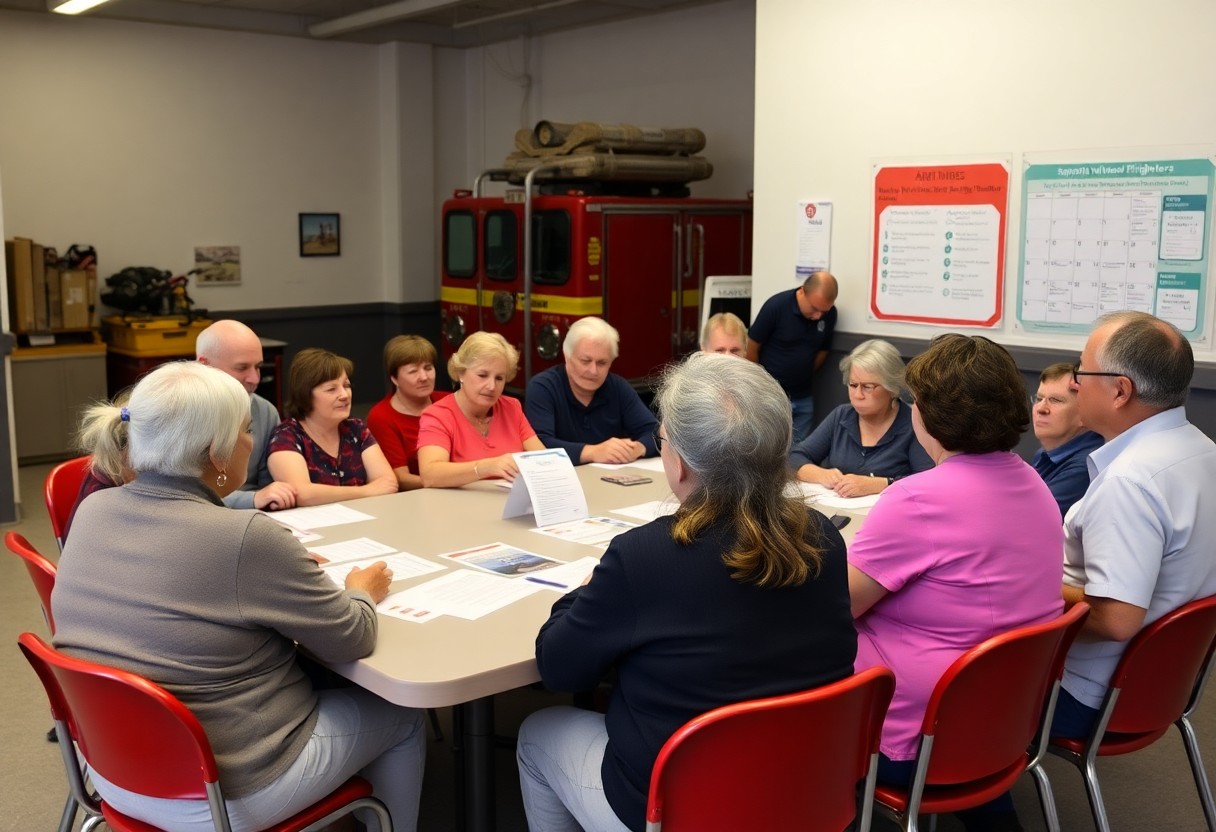
Over the years, volunteer firefighters have become the backbone of many community departments, and their effectiveness often hinges on the support of their families. To ensure that your loved ones stand behind you, it’s imperative to communicate openly about the challenges and rewards of your role. By fostering a sense of involvement and providing family-oriented activities, you can create a strong support network that enhances both commitment to service and family cohesion. This guide will help you develop strategies to strengthen that vital support system.
Key Takeaways:
- Foster open communication between firefighters and their families to discuss schedules and commitments.
- Provide educational resources about the role and responsibilities of volunteer firefighters to increase understanding among family members.
- Encourage participation in community events that involve families, creating a sense of belonging and support.
- Offer recognition and appreciation initiatives for families that support their firefighter members, enhancing morale.
- Create mentorship programs where experienced families guide new families in adapting to the volunteer firefighting lifestyle.
Understanding the Importance of Family Support
Your role as a family member of a volunteer firefighter is vital; it creates a foundation of emotional and practical support crucial for their success and well-being. When families understand the demands of the fire service, they can better appreciate the dedication required, ultimately enhancing resilience within the family unit. This support not only helps reduce stress for the firefighter but also fosters a sense of community and belonging as families navigate the unique challenges posed by volunteer firefighting together.
The Role of Family in Volunteer Firefighting
Families are often the backbone of a volunteer firefighter’s commitment, providing encouragement during long hours of duty and responding to emergencies. Your understanding and participation in fire department activities can significantly influence the firefighter’s morale. When families are involved, it cultivates a shared sense of purpose and solidarity, creating a stronger bond not only within the family but also within the fire department as a whole.
Benefits of Strong Family Engagement
Strong family engagement results in increased motivation and reduced burnout among volunteer firefighters. When you actively support each other, it leads to improved communication and mutual respect. This dynamic fosters a more cohesive family unit, allowing for more effective coping during times of stress and uncertainty typical in emergency situations. Your involvement can also lead to greater retention rates in volunteer departments, as firefighters feel more empowered with the backing of their loved ones.
Furthermore, a family that engages in fire department activities together is likely to create lasting memories and bonds. For instance, attending training sessions or community events as a family not only provides a deeper insight into the firefighter’s responsibilities but also opens pathways for discussion about any challenges they face. This familiarity can reduce anxiety for both the firefighter and the family members, ultimately strengthening your collective ability to support one another through the unique demands of this calling.
Factors Influencing Family Support
- Family Communication: Open dialogues can strengthen relationships.
- Understanding Responsibilities: Knowledge of firefighting duties fosters empathy.
- Shared Experiences: Involvement in fire department events can enhance relationships.
- Emotional Resilience: Managing stress collectively helps families cope.
Knowing these factors sets the foundation for a supportive environment, encouraging families to actively participate in their loved one’s firefighting journey.
Communication Within the Family
Effective communication is crucial for families of volunteer firefighters. Regular discussions about firefighting commitments can mitigate misunderstandings and build a strong support network. You should encourage your family to openly share feelings about the demands of firefighting, creating an empathetic atmosphere where everyone’s voice is valued. This approach boosts morale and emphasizes the collective nature of the commitment.
Managing Time Between Firefighting and Family Life
Balancing firefighting duties with family life requires intentional planning. Establishing a schedule that includes both fire department events and family time is vital. Engage your family in this process, allowing them to express when they need more attention. This partnership can alleviate tension and showcase your willingness to prioritize their needs. You might find that setting aside dedicated time for family activities not only strengthens your bonds but also creates cherished moments that counterbalance the demands of firefighting.
Strategically allocating time between your firefighting obligations and family duties is key to maintaining harmony. Establish clear expectations surrounding emergency calls and training sessions, aligning these with family events. Utilize a calendar to visualize commitments and ensure that your loved ones feel included. When unexpected firefighting duties arise, proactively communicate to relay the situation, allowing your family to adjust plans swiftly. This approach not only builds resilience within your family but also establishes a strong foundation of trust and support.
How to Foster Spouse Support
Building a supportive environment for your spouse involves establishing a foundation of trust and communication. Encouraging them to express their feelings about your commitments and their understanding of the demands of volunteering will enhance emotional bonds. This dialogue allows you to align expectations and creates an atmosphere where both partners feel valued and acknowledged, ultimately fostering a stronger partnership.
Open Conversations About Volunteer Commitments
Engage your spouse in open discussions regarding your volunteer commitments. Transparency about your schedule, training sessions, and emergency calls helps them understand the time and energy you devote to service. This clarity not only alleviates potential anxieties but also solidifies their role as an integral part of your firefighting journey.
Involving Spouses in Department Activities
Encouraging your spouse to participate in department events fosters community and strengthens their commitment to your role. By inviting them to family nights, training exercises, or fundraising events, they gain insight into your experiences. This involvement underscores their importance in your journey and promotes camaraderie within the fire department.
For instance, hosting a family day where spouses can meet fellow firefighters and their families provides a relaxed environment. It allows them to see the department’s culture and camaraderie firsthand, which can lead to deeper appreciation and support for your volunteering. Additionally, considering committees or roles specifically for spouses can empower them and reinforce a sense of belonging, enhancing their connection to the firefighting community.
Tips for Engaging Children in Volunteer Firefighting
Engaging children in volunteer firefighting can build a sense of community and responsibility at a young age. You can involve them through organized programs and activities that relate to firefighting, such as educational workshops, fire safety demonstrations, and youth firefighter camps. Encourage participation by highlighting the importance of teamwork, fire safety, and community service. Use interactive learning methods that captivate their interest and boost knowledge. Assume that these experiences will cultivate long-lasting appreciation for the work that firefighters do.
Educational Programs for Kids
Offering educational programs for kids can spark their interest in firefighting. These programs often include hands-on learning, teaching children about fire safety practices and the role of firefighters in the community. By incorporating fun activities such as fire simulations and safety demonstrations, you instill valuable knowledge while making learning enjoyable.
Family-Friendly Community Events
Organizing family-friendly community events focused on firefighting allows families to engage positively with their local fire department. Activities such as open house days, fire truck displays, and safety fairs can foster strong ties between firefighters and the public. These events serve not only as educational opportunities but also as casual platforms where families can meet and interact with the firefighting community.
Events like fire department open houses provide an avenue for families to explore the world of firefighting firsthand. You can arrange interactive demonstrations and station tours, allowing children to try on firefighter gear, meet local heroes, and learn fire safety protocols. Incorporate fun activities like face painting or fire-themed crafts to make the event more appealing. Promoting a spirit of camaraderie, these occasions give families an in-depth look at the vital role of volunteer firefighters while encouraging teamwork and family bonding.
Building Community Awareness and Involvement
Engaging your community in the mission of volunteer firefighting fosters a supportive environment where families feel acknowledged and involved. By hosting informational events such as open houses or community fire safety nights, you can educate neighbors on the important role your local fire department plays. Additionally, utilizing social media platforms to share stories and achievements of volunteer firefighters creates a connection with the community that encourages support and involvement.
Promoting the Value of Volunteer Firefighters
Highlighting the significant contributions of volunteer firefighters reinforces their importance within the community. Sharing statistics, such as the number of lives saved or fires prevented due to volunteers, serves as powerful reminders of their impact. You can also showcase personal stories that illustrate the dedication and bravery of these individuals, emphasizing that their service benefits everyone.
Initiating Community Support Programs
Community support programs can greatly enhance the resilience and morale of volunteer firefighters and their families. Establish initiatives that encourage local businesses to offer discounts or sponsorships for firefighters. Additionally, organizing community service days where families and supporters come together to assist the fire department fosters a sense of unity and appreciation for volunteers. By creating more opportunities for engagement, you cultivate a deeper connection between firefighters and the community.
For example, consider setting up a “Firefighter Family Day,” where community members can participate in family-friendly activities, learn about fire safety, and enjoy demonstrations by volunteer firefighters. This not only promotes camaraderie but also instills pride in the contributions made by these individuals. You might coordinate with local schools to include fire safety education in their curriculum, ensuring that young residents understand and appreciate the value of volunteer firefighting. By establishing these support programs, you build a sustainable framework for community involvement and recognition of the hard work that volunteer firefighters dedicate to keeping everyone safe.
Evaluating and Adapting Support Strategies
Adapting support strategies for families of volunteer firefighters is important for fostering ongoing engagement and commitment. Regularly assessing the effectiveness of these strategies allows you to identify areas needing improvement, ensuring that family members feel involved and valued. Utilize surveys or informal check-ins to gain better insights into their preferences and concerns, which can then guide your initiatives in meeting their expectations.
Gathering Feedback from Family Members
Soliciting feedback from family members provides valuable insights into their experiences and needs. You can create a simple and anonymous feedback form that addresses specific areas of support, such as event participation and communication effectiveness. Engaging in open conversations can also foster a more trusting environment where families feel comfortable sharing their thoughts, which ultimately leads to more tailored support strategies.
Making Adjustments to Engage Families Effectively
Adapting your approach based on feedback allows for more targeted family engagement. If spouses feel disconnected, consider hosting dedicated gatherings that focus solely on their concerns, interests, and ideas. Implementing a structured committee with family representatives can also strengthen communication channels, ensuring their voices are heard in decision-making processes. Such adjustments lead to stronger participation rates and a more unified fire department.
For example, if feedback indicates that family members desire more social interactions, organizing quarterly family days or picnics can help build connections. Creating opportunities for shared experiences often boosts morale and fosters a sense of belonging. Moreover, reflecting on the effectiveness of existing strategies, such as utilizing social media platforms to keep families informed, can make a significant difference in engagement levels. Each small adaptation contributes to a stronger, more supportive community around your volunteer firefighters.
Conclusion
Now that you understand the methods to garner spouse and family support for volunteer firefighters in community departments, you can actively engage your loved ones in this vital mission. By fostering open lines of communication, encouraging participation in activities, and highlighting the benefits of firefighting roles, you will strengthen the foundation of support. Your efforts will not only enhance the firefighting community but also create a sense of belonging and pride among families, ultimately leading to a more resilient and effective volunteer firefighting team.