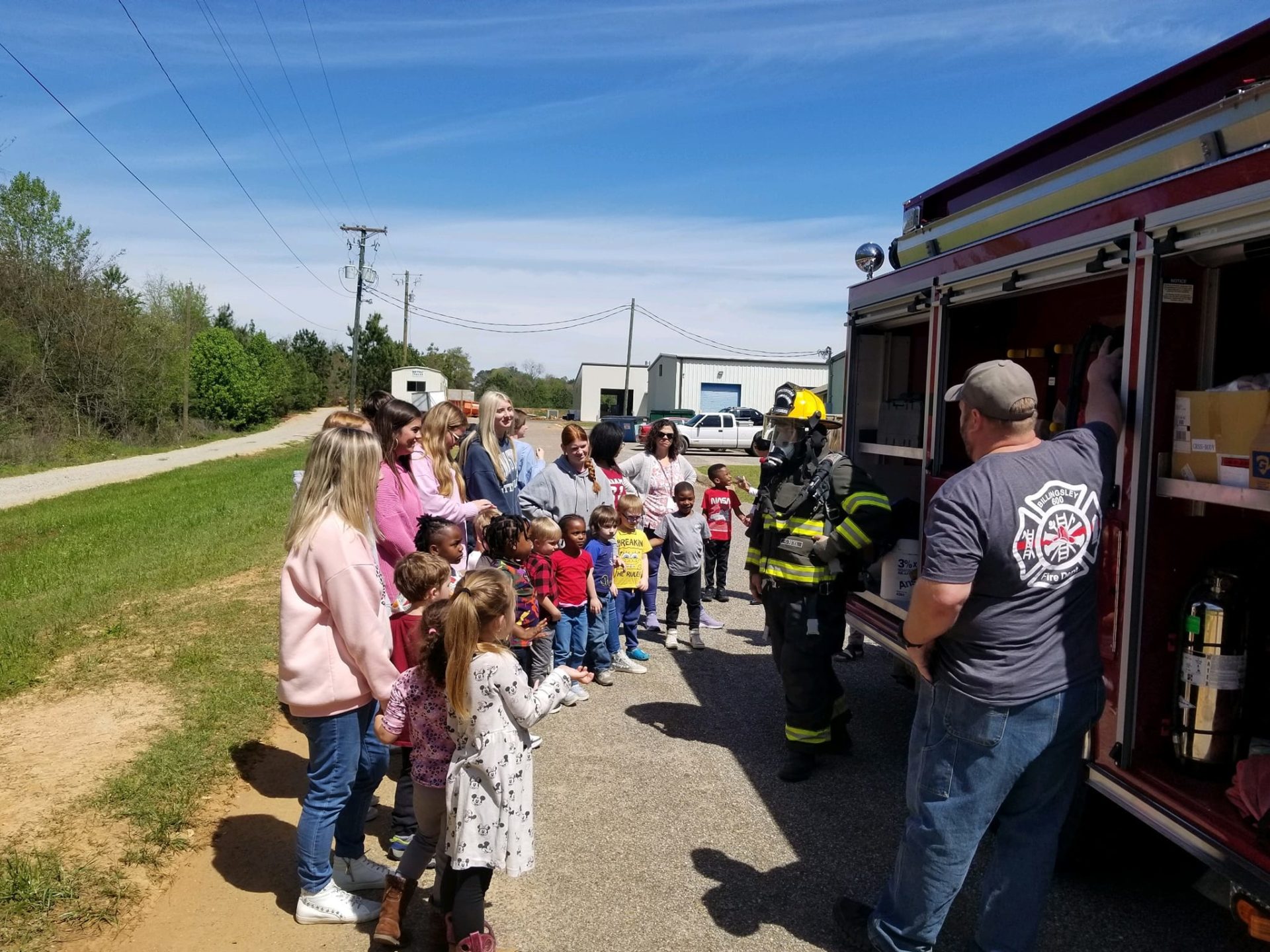
Most communities thrive when individuals come together to support vital services like fire fighting. Hosting informational sessions or workshops provides you with a unique opportunity to educate your neighbors about the numerous benefits of joining a volunteer fire department. By sharing insights into the training, camaraderie, and skills gained through volunteer work, you can inspire community members to take an active role in enhancing local safety and preparedness. Engaging discussions can demystify the role of volunteer firefighters and highlight how each person can make a difference, fostering a stronger and more resilient community.
The Importance of Volunteer Fire Fighting
Your local volunteer fire department is vital for ensuring quick emergency response and safeguarding lives. These dedicated individuals not only provide important fire-fighting services but also create a sense of community belonging. By participating in this noble cause, you contribute to the well-being of your neighborhood and foster a spirit of collaboration and support among residents.
Community Safety and Emergency Response
At the heart of volunteer fire fighting lies an unwavering commitment to community safety. Volunteers undergo extensive training to handle emergencies effectively, ensuring swift action during critical situations. By having a robust volunteer fire department, you enhance your community’s overall resilience to disasters, as these local heroes are always ready to respond when every second counts.
Strengthening Community Ties
For many, volunteering in fire services creates strong bonds among community members. It encourages teamwork and fosters relationships built on trust and shared experiences. When you engage in firefighting efforts, you connect with your neighbors, transforming your community into a united front during emergencies.
But the impact of volunteer fire fighting goes beyond just emergency response; it cultivates a sense of belonging among residents. Participating in training drills and community events allows you to meet new people, share stories, and develop friendships that can last a lifetime. This collaboration not only makes your community safer but also enriches your life with meaningful connections and a deeper sense of purpose. By investing your time and effort into this endeavor, you help nurture a tight-knit community that values cooperation and support.
Planning Informational Sessions
Some key steps must be considered when organizing informational sessions to effectively educate your community about the benefits of volunteer firefighting. Begin by outlining the main objectives you wish to achieve and determining the resources you can utilize. This thoughtful planning phase is necessary to ensure that your sessions are informative and engaging for all participants.
Identifying Target Audiences
Against the backdrop of community engagement, it is imperative to identify your target audiences. Consider factors such as demographics, interests, and existing knowledge about firefighting. Tailoring your approach to engage students, parents, or local organizations can significantly enhance participation and ensure that your message resonates with those most likely to join your volunteer efforts.
Choosing the Right Format and Location
Across various formats, you may want to consider workshops, presentations, or informal meet-and-greets to deliver your messages effectively. The choice of location also plays a role; select venues that are accessible and familiar to your target audiences for optimal attendance. You could leverage community centers, schools, or local parks, ensuring an environment conducive to open discussions and questions.
Location matters significantly in reaching your audience. Aim for spaces that are easy to find and accommodate the expected number of attendees comfortably. Ideally, these locations should also provide an inviting atmosphere where participants feel welcome to engage in discussions. Remember to consider accessibility options to ensure that everyone in the community can participate, including those with disabilities. Providing ample information on the venue ahead of time can further boost attendance and make your sessions more successful.
Key Topics to Cover in Workshops
Clearly, when organizing informational sessions or workshops, it’s vital to cover several key topics that resonate with your community. You should include an overview of the responsibilities and rewards of volunteer firefighting, the local impact of a robust volunteer fire department, and the steps needed to join. Additionally, you can discuss how firefighting skills translate into personal and professional development, as well as partnerships with local emergency services.
Benefits of Volunteer Fire Fighting
Beside the satisfaction of giving back to your community, volunteer firefighting offers numerous benefits, such as acquiring valuable skills in emergency response, teamwork, and leadership. Engaging in this noble pursuit enhances your physical fitness and boosts your self-confidence. Additionally, you will form lasting friendships with fellow firefighters while contributing to the safety and well-being of your neighbors.
Necessary Training and Skills Required
Any aspiring volunteer firefighter should be prepared to undergo specific training and develop a set of imperative skills to effectively serve their community. This may include hands-on firefighting techniques, first-aid certification, and knowledge of fire safety protocols.
Training for volunteer firefighters typically encompasses both classroom instruction and practical exercises. You will learn about fire behavior, search and rescue operations, and the safe use of firefighting equipment. Physical fitness is also a key aspect, as maintaining endurance and strength will help you perform your duties effectively. Furthermore, ongoing training ensures you stay up-to-date with the latest firefighting techniques and technologies, enhancing your ability to respond in emergencies with confidence and professionalism.
Engaging the Community
For fostering a culture of volunteer firefighting, engaging your community is imperative. By hosting informational sessions and workshops, you provide valuable insights into the role and impact of volunteer firefighters. These interactions not only educate but also strengthen the bonds between the fire service and the community, showing that you value their participation and support.
Utilizing Social Media and Local Outreach
Behind every successful community engagement effort is a strong presence on social media and local outreach channels. Utilizing platforms such as Facebook and Instagram allows you to share stories, photos, and upcoming events that highlight the benefits of volunteer firefighting. Engaging content can spark interest and inspire more people to participate.
Collaborating with Local Organizations
Media partnerships can also amplify your message to reach a wider audience. By collaborating with local schools, businesses, and non-profits, you create a network of support that benefits your initiatives. These organizations often have established community ties, making them valuable allies in promoting volunteer firefighting.
In fact, partnering with local organizations can open doors to new opportunities. You can host joint events, create cross-promotional materials, and leverage each organization’s strengths to reach different demographics. This collaborative approach not only amplifies your outreach efforts but also fosters a sense of community ownership and commitment toward volunteer firefighting initiatives.
Measuring Success and Impact
Keep track of attendance numbers, engagement during sessions, and the number of individuals who express interest in becoming volunteer firefighters. Assessing these metrics allows you to evaluate the effectiveness of your workshops and refine your approach for future events. Additionally, conducting surveys can offer insightful feedback on community perceptions and knowledge gained, enabling you to better address your audience’s needs moving forward.
Feedback Mechanisms
After each session, you should implement feedback mechanisms to gather information from participants. Utilize surveys or interactive discussions to understand how well the session messages resonated with attendees. These insights can help you fine-tune your content and delivery, ensuring future workshops meet community expectations more effectively.
Long-term Community Engagement
Mechanisms to foster long-term community engagement should be embedded in your planning. Creating ongoing volunteer programs and networking opportunities will allow participants to maintain their connection with your firefighting initiatives. Regular updates, follow-up events, and social media engagement will keep the essence of volunteerism alive, encouraging continual community involvement.
It is crucial to cultivate relationships with community members by offering continued support and opportunities for participation. A robust volunteer program not only benefits the fire department but also strengthens local ties and fosters a culture of service. Engage your audience through newsletters, social media platforms, and community events to keep them informed about upcoming initiatives and encourage their active participation. The more you invest in these long-term strategies, the greater the potential for building a dedicated base of volunteer firefighters passionate about serving your community.
Resources for Further Learning
Many resources are available to help you dive deeper into the world of volunteer firefighting. By exploring these materials, you can enhance your understanding of the benefits, training requirements, and community impact of volunteering. Knowledge is key, and being informed will empower you to make a difference in your local fire department.
Relevant Organizations and Websites
The National Volunteer Fire Council (NVFC) and the International Association of Fire Fighters (IAFF) are excellent resources for you to explore. Their websites offer information on training programs, safety guidelines, and community initiatives specifically tailored for volunteer firefighters. Connecting with these organizations can help you stay informed and involved.
Suggested Reading Material
The book “Volunteer Firefighter’s Handbook” provides a comprehensive overview of the skills, challenges, and commitments involved in volunteer firefighting. Additionally, local fire department newsletters and magazines frequently feature articles that highlight the experiences of fellow volunteers and best practices within the field.
Further, you may find value in publications like “The Firefighters Handbook: Principles and Practice” which covers vital firefighting techniques and strategies, perfect for both new and experienced volunteers. Additionally, blogs and community forums provide ongoing discussions surrounding the latest trends and issues in volunteer firefighting, allowing you to engage with and learn from your peers. Pursue these readings to empower you on your journey as a volunteer firefighter.
Conclusion
Upon reflecting, hosting informational sessions or workshops can significantly enhance community understanding of volunteer firefighting benefits. By engaging with your local community, you can showcase how volunteering not only helps protect lives and property but also fosters a sense of camaraderie and community spirit. Your participation in these sessions will empower others to consider joining your ranks, ultimately strengthening the fire service and making your community safer. Take this opportunity to share knowledge, experiences, and inspire others to contribute to a vital cause.