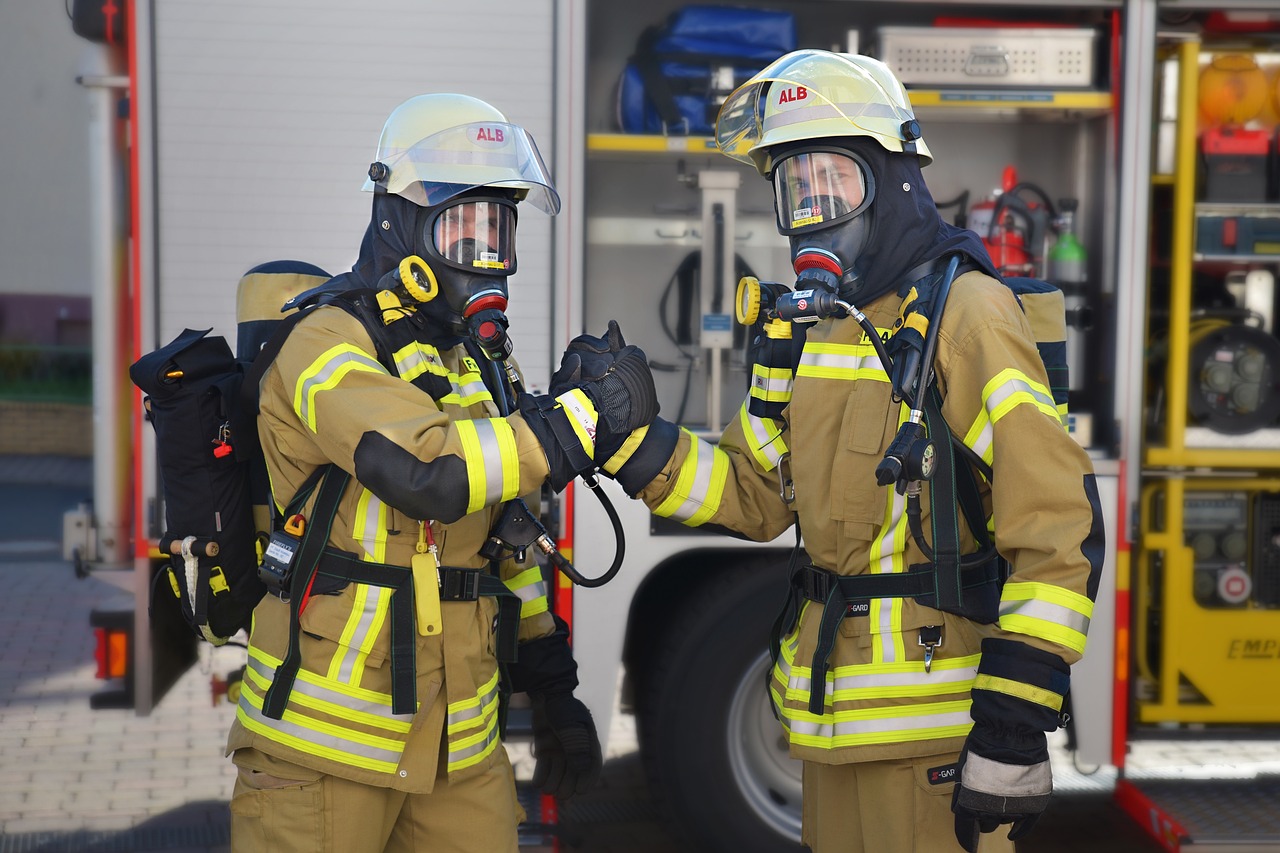
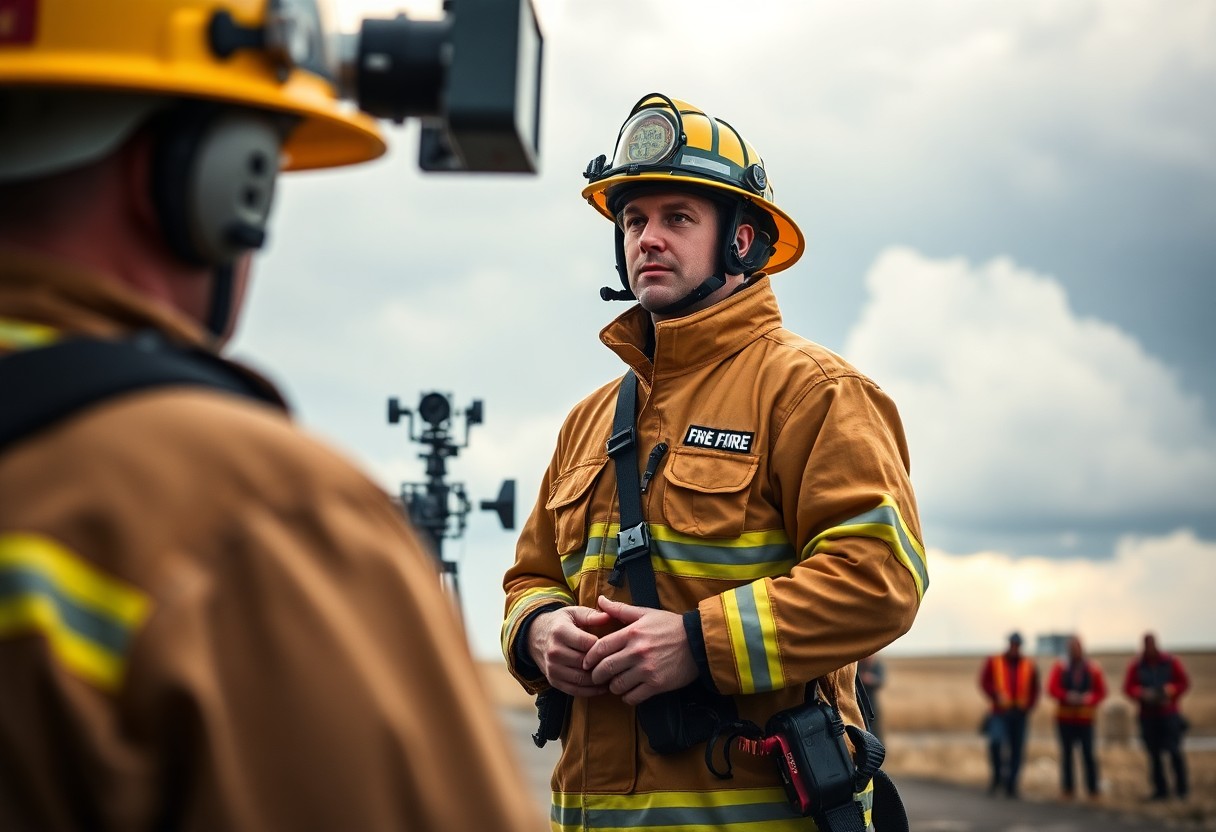
Over time, understanding weather patterns and their impact on rural areas has become imperative for your role as a firefighter. Skywarn training equips you with the skills to identify severe weather conditions, such as tornadoes and flash floods, that can threaten both lives and property. This knowledge allows you to enhance community safety and ensure that your firefighting efforts are not hampered by unpredictable weather. By participating in this training, you significantly improve your response capabilities and contribute to a more informed and prepared community.
The Importance of Weather Awareness
Understanding weather conditions is vital for effective firefighting, particularly in rural areas. Your ability to predict and respond to shifts in weather can significantly influence outcomes during emergencies. Being aware of changing conditions, such as sudden temperature drops or increased humidity, will prepare you to make informed decisions, ensuring the safety of both your team and the community.
Understanding Severe Weather Patterns
Severe weather can develop rapidly, requiring you to recognize patterns that precede events like thunderstorms or heat waves. By studying local climatology and seasonal behaviors, you gain insight into how different weather phenomena can unfold in your area. This knowledge enables you to anticipate potential threats and adapt your strategies accordingly.
Impact of Weather on Rural Firefighting
Weather significantly influences fire behavior and the effectiveness of firefighting efforts. Wind speed and direction can rapidly spread flames, while rainfall can either hinder or aid your operations. Understanding these dynamics helps you assess risks accurately and deploy resources more effectively during fire incidents.
For instance, high winds can propel wildfires at alarming rates, increasing the urgency of your response. On days where temperatures soar and humidity dips, the risk of fire ignition escalates. Conversely, rain can provide temporary relief, but it may also lead to flash flooding, impacting accessibility to fire-affected areas. By integrating weather awareness into your firefighting strategy, you ensure a more resilient response, tailoring your approach based on immediate environmental conditions which is especially pertinent in rural settings with variable terrain and access routes.
Skywarn Training Overview
Skywarn training equips you with vital knowledge about severe weather phenomena, helping you recognize and report dangerous conditions. By identifying signs of thunderstorms, tornadoes, and flash floods, you enhance your situational awareness, which is vital for protecting both communities and firefighters in the field. This training focuses on combining observational skills with reporting guidelines, ensuring accurate communication with national weather services.
Program Goals and Objectives
The main goals of Skywarn training include enhancing your ability to spot hazardous weather and improving community preparedness. By participating, you develop the skills to identify specific weather patterns that threaten life and property. This program also aims to foster a sense of teamwork among weather spotters, allowing you to collaborate effectively with local emergency services.
Training Delivery Methods
Skywarn training is delivered through a mix of in-person workshops and online modules, accommodating various learning preferences. These methods ensure that the material is accessible and effective, allowing you to learn at your own pace while still benefiting from interactive sessions with experts.
Skywarn’s training delivery methods cater to diverse learning styles, combining visual aids, hands-on demonstrations, and real-time case studies. Breaking down complex weather concepts into digestible modules helps you grasp the critical elements more easily. Additionally, interaction with meteorologists during sessions provides practical insights, allowing you to ask questions and clarify uncertainties, further enhancing your expertise in weather spotting.
Benefits of Skywarn Training for Firefighters
Skywarn training equips you with vital skills that enhance your effectiveness as a firefighter. By learning to identify severe weather patterns, you can better anticipate the impact of storms on your operational environment. This training can mean the difference between life and death-both for your team and for the community you serve-by ensuring that you respond to emergent hazards with precise and informed actions.
Enhanced Situational Awareness
Enhanced situational awareness is a direct benefit of Skywarn training. You gain the ability to recognize and interpret weather signs that may not be apparent to the untrained eye. Understanding how to assess storm severity allows you to predict potential issues, such as flash floods or high winds, giving you a tactical advantage in mobilizing resources effectively.
Improved Decision-Making in Emergencies
Improved decision-making in emergencies can significantly impact the outcome of a crisis. With Skywarn training, you learn to filter critical weather information and integrate it into your firefighting strategy. This capability empowers you to react swiftly in the face of rapidly changing conditions, reducing response times and increasing safety for your team during high-stakes operations.
For instance, during a severe thunderstorm, trained firefighters can evaluate live radar data and ground reports, enabling targeted evacuation orders and resource allocation. Taking actionable insights from Skywarn can prevent misjudgments that lead to increased risks-such as deploying teams into unsafe areas during active weather events. Your ability to adapt decisions based on reliable weather forecasts directly contributes to community safety and operational success.
Preparing for Weather-Related Challenges
Being prepared for weather-related challenges not only enhances your safety but also improves overall operational readiness. Understanding the types of severe weather that can affect rural firefighting-such as thunderstorms, flooding, and tornadoes-allows you to develop a more robust response plan. By anticipating these challenges, you bolster your team’s ability to act swiftly and efficiently during emergencies.
Risk Assessment and Mitigation Strategies
Conducting a thorough risk assessment is vital for developing effective mitigation strategies. By identifying potential weather hazards unique to your area, you can implement protective measures tailored to your community’s specific needs. For instance, securing equipment during high winds or establishing evacuation routes can greatly reduce risks during severe weather events.
Community and Team Preparedness
Your community’s resilience starts with strong team preparedness. Regular training sessions and drills foster a culture of readiness, allowing firefighters and community members to practice responding to various weather scenarios. Engaging with local organizations to host awareness events can inform residents about weather risks and encourage proactive measures, ensuring everyone is ready when the storm hits.
Collaboration within your community deepens the effectiveness of your preparedness efforts. Creating partnerships with local schools, businesses, and emergency services fosters a unified response framework. For example, involving local schools in drills helps educate students and their families about weather safety, while establishing neighborhood watch groups can facilitate communication during emergencies. These initiatives cultivate a proactive mindset, enabling your team to effectively lead and support the community during unpredictable weather incidents.
Case Studies: Success Stories from Rural Fire Departments
Numerous rural fire departments have effectively utilized Skywarn training, resulting in significant operational success during severe weather events. These case studies highlight the importance of preparedness:
- Department A: Reduced response time by 30% during a tornado warning due to real-time weather updates.
- Department B: Increased community safety with 25% fewer injuries during severe storms by implementing Skywarn alerts.
- Department C: Successfully coordinated evacuations for 100 residents ahead of a flash flood.
- Department D: Enhanced inter-agency communication, resulting in 50% quicker integration of resources during severe weather.
For more on Skywarn, explore the system’s fundamentals and its impact on public safety.
Examples of Effective Weather Responses
One notable incident involved Department E, which utilized Skywarn training to mobilize its resources efficiently during a severe thunderstorm. The team received precise weather data, allowing for a timely response to affected areas, resulting in a rapid deployment of rescue operations that supported over 50 families.
Lessons Learned from Severe Weather Events
Severe weather events yield invaluable insights that can improve future responses. Departments that actively participated in Skywarn training reported a better understanding of critical weather phenomena and improved community engagement, ultimately leading to enhanced safety protocols.
After analyzing past severe weather events, several key lessons become apparent. First, the significance of timely communication cannot be overstated; regular updates between weather agencies and fire departments can save lives. Second, training drills that incorporate actual weather scenarios prepare your team for real-life situations, reinforcing their readiness. Lastly, community education on severe weather preparedness fosters stronger neighborhood resilience, empowering residents to respond effectively during emergencies.
How to Get Involved in Skywarn Training
To engage in Skywarn training, start by visiting your local National Weather Service (NWS) office’s website for training sessions and classes offered in your region. You can also access the Weather Spotter’s Field Guide to equip yourself with imperative knowledge on storm spotting techniques. Participating in these courses enhances your skill set and fosters collaboration among local emergency responders.
Resources for Firefighters
Numerous resources are available to firefighters looking to enhance their knowledge of severe weather phenomena. The NWS provides access to training materials, webinars, and local workshops that focus specifically on understanding weather patterns and effective reporting techniques. Furthermore, specialized online forums and community groups allow for discussion and sharing of experiences among certified spotters.
Engaging with Local Skywarn Programs
Connecting with local Skywarn programs is straightforward and impactful. Attend meetings, volunteer to become a storm spotter, or participate in training sessions hosted by your local NWS office. Building relationships with local meteorologists can also provide insight into severe weather trends, enabling your fire department to prepare better during storm events.
Engaging with local Skywarn programs not only boosts your knowledge but also strengthens community resilience against severe weather. By becoming an active participant, you can collaborate with meteorologists and fellow firefighters, sharing observations and forecasts that enhance situational awareness. Involvement in these programs means you’re part of a broader network dedicated to safety and preparedness, which can ultimately save lives and protect property during severe weather events.
Final Words
On the whole, Skywarn training equips you with necessary skills to recognize severe weather patterns and take proactive measures to protect your community. As a rural firefighter, you play a vital role in ensuring public safety during critical weather events. By enhancing your weather observation techniques and communication skills, you improve your effectiveness in emergency response, ultimately safeguarding lives and property. Your participation in Skywarn fosters a deeper understanding of meteorological phenomena, making you an informed asset in times of crisis.