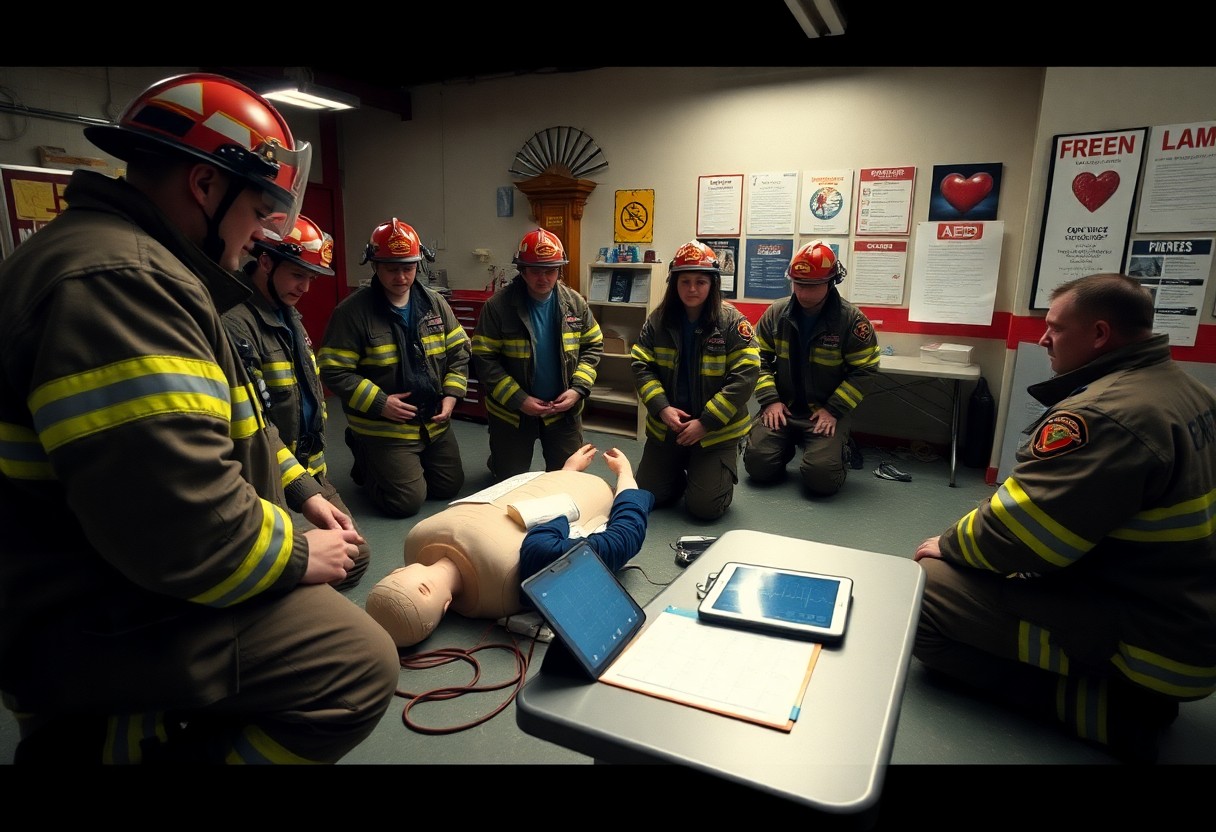
Training should include regular cardiac screening, targeted CPR/AED practice, stress and fitness guidance, and clear protocols so you lower on-duty cardiac risk and improve survival for members and community.
Cardiovascular Risk Assessment and Medical Screening
You integrate routine cardiovascular risk screening into annual training, using standardized questionnaires, basic labs, and ECG when indicated to identify high-risk members early and arrange timely referrals.
Implementing Annual NFPA 1582 Physical Evaluations
Adopt annual NFPA 1582 evaluations to determine your members’ medical clearance, document findings, coordinate with occupational physicians, and schedule follow-up care for abnormal results.
Tracking Modifiable Risk Factors Among Personnel
Monitor your personnel’s modifiable risk factors-blood pressure, lipids, smoking, weight, and fitness-via confidential tracking and targeted interventions to reduce on-duty cardiac events.
- Record readings at drills and annual exams with access controls to protect privacy.
- Offer tailored cessation, nutrition, and fitness resources based on individual trends.
- Assume that you will use de-identified aggregate data to prioritize interventions and measure impact.
Document trends in your roster’s modifiable risks, share aggregated reports with leadership, and prioritize interventions such as on-site screening, fitness incentives, or medical referrals based on measured needs.
- Set actionable thresholds (e.g., sustained BP elevations, high LDL) that trigger referrals.
- Provide confidential feedback and personalized plans to support sustained behavior change.
- Assume that you will review outcomes quarterly and adjust programs to improve participation and results.
Integrating Functional Fitness into Drill Schedules
Schedule short, high-intensity functional stations into routine drills so you develop movement patterns, core stability, and job-specific endurance without extending training hours.
Designing Job-Specific Strength and Conditioning
Focus sessions on lifting, carrying, and overhead tasks that mirror emergency work so you build practical strength and reduce strain during calls.
Benchmarking Aerobic Capacity for Operational Safety
Measure aerobic capacity with simple tests so you ensure you can sustain job demands and identify members needing targeted conditioning.
You should implement baseline and periodic submax tests-12-minute Cooper run, 2-minute step test, or timed stair climb with gear-to estimate aerobic capacity and operational readiness. Use results to set individualized conditioning plans and return-to-duty thresholds. Track trends across drills and medical checks to catch declines early and lower on-duty fatigue and cardiac risk.
Nutritional Education and Firehouse Diet Reform
Firehouses should integrate simple nutritional training so you reduce cardiac risk: teach portion control, swap processed snacks for whole foods, and schedule communal healthy meals to model better habits among crews.
Implementing Heart-Healthy Meal Planning Strategies
Plan meal rotations that prioritize lean proteins, vegetables, whole grains, and lower-sodium options so you maintain energy during shifts and model practical choices; provide quick recipes and grocery lists for on-duty cooks.
Addressing Dehydration and Electrolyte Management
Hydration protocols can reduce cardiac strain; teach you to monitor urine color, schedule regular water breaks, offer electrolyte options for prolonged incidents, and limit excessive caffeinated drinks during shifts.
Monitor core signs like dizziness, cramps, or heart palpitations so you can respond early; implement buddy checks, stock oral rehydration solutions, train crews on proper mixing and dosing, and include scenario drills for hot-weather operations.
On-Scene Rehabilitation and Tactical Recovery
You should integrate on-scene rehab stations that prioritize cardiac screening, rest, cooldown, and quick access to AEDs to reduce post-exertional cardiac risk during and after incidents.
Standardizing Active Cooling and Rehydration Protocols
Standardize your cooling and rehydration steps so crews know when to apply ice, cooling towels, oral fluids, and when to escalate to IV fluids or medical transport.
Monitoring Physiological Recovery Post-Exertion
Monitor heart rate, rhythm, blood pressure, and symptoms during rehab, using simple telemetry or wearable sensors so you can detect abnormal recovery and trigger further evaluation.
Track recovery trends across shifts, document exertion levels and interventions, and schedule follow-up ECGs or physician reviews for any persistent abnormalities to protect crew cardiovascular health.
Stress Management and Behavioral Health Links
Stressors on duty spike your sympathetic tone and cardiac risk; include breathing drills, mental-health check-ins, and rapid referral pathways in annual training to lower incidents and improve response readiness.
Understanding the Impact of Sympathetic Overdrive
You can teach how sympathetic overdrive triggers tachycardia, hypertension, and arrhythmias during calls, using case studies and simulation to link stress responses to measurable cardiac risk.
Promoting Sleep Hygiene and Peer Support Systems
Shift scheduling and rest policies so you can maintain consistent sleep windows; teach sleep hygiene, limit caffeine, and use napping protocols to reduce cardiac strain and improve recovery between calls.
Implementing predictable rotations, designated nap opportunities, and brief workshops on circadian health helps you cut cumulative sleep debt and lower arrhythmia risk. You should screen high-risk members for sleep apnea with validated tools, arrange expedited referrals to sleep clinics, adjust rosters to prevent chronic short sleep, and set up peer fatigue check-ins so leaders can intervene before cardiac risk rises.
Departmental Policy and Wellness Infrastructure
Policy language should define health expectations so you can require screenings, fitness baselines, and scheduled wellness reviews within annual training without overburdening shifts.
Establishing Standard Operating Guidelines for Health
Create clear SOPs that let you standardize screening intervals, cardiac event response steps, and return-to-duty criteria, then train members on application and documentation.
Securing Funding and Grants for Wellness Equipment
Seek grants, corporate sponsors, and community fundraising so you can acquire AEDs, monitoring devices, and training tools without shifting operational funds.
Research available sources-Assistance to Firefighters Grant (AFG), state EMS grants, hospital community benefit programs, and local foundations-and match each opportunity to specific equipment lists and measurable outcomes. You should prepare concise budgets, letters of support from municipal leaders and healthcare partners, and volunteer time commitments to strengthen applications. Partnering with neighboring departments for joint requests can improve competitiveness and reduce per-unit costs.
Conclusion
With these considerations you can integrate cardiac prevention into annual training by scheduling targeted CPR/AED refreshers, screening and education sessions, stress management drills, and clear referral protocols, ensuring members understand risks, procedures, and resources while maintaining operational readiness.
FAQ
Q: What core cardiac prevention topics should be included in a volunteer fire department’s annual training program?
A: Annual training should cover high-yield clinical and practical topics: hands-only and full CPR, automated external defibrillator (AED) use and maintenance, early recognition of heart attack and sudden cardiac arrest symptoms, basic cardiac life support (BLS) refreshers for any medically trained members, and post-resuscitation care basics for patient handoff. Training should also include occupational health topics that reduce long-term cardiac risk: blood pressure screening techniques, basic glucose awareness, smoking cessation resources, stress and shift-work sleep management, physical fitness guidance tailored to firefighting tasks, and safe return-to-duty protocols after cardiac events. Include scenario-based drills that combine physical exertion, PPE, and emergency response to test how cardiac events present during real calls and how crews should respond while protecting scene safety.
Q: How can a department integrate hands-on skills, screenings, and wellness checks into annual training without compromising operational readiness?
A: Create a blended schedule that pairs classroom and hands-on stations with short, repeated screening opportunities. Use monthly drills to rotate crews through 20-30 minute wellness stations for blood pressure, pulse checks, and fitness briefings so that no single drill becomes a lengthy interruption. Designate one annual or semiannual health day for deeper screenings (ECG if available, lipid panels through a partner clinic) scheduled on off-peak days or with on-call coverage to maintain responses. Train a small cadre of members as CPR/AED instructors and health-screening volunteers to speed throughput. Track results confidentially, offer follow-up referrals to local providers, and document participation to protect members and to support funding requests. Develop a simple policy for medical clearances and duty modifications so operational leaders can make return-to-duty decisions quickly after an identified issue.
Q: Which partners, training resources, and funding sources can departments use to build a sustainable cardiac prevention program?
A: Partner with local hospitals, EMS agencies, community health centers, and public health departments for clinical expertise, screening services, and referral pathways. Seek training and certification support from organizations such as the American Heart Association for CPR/BLS instructor courses and program materials. Apply for grants through state health departments, local foundations, and federal programs that support firefighter health and safety; agencies that fund training or health initiatives often accept proposals for screening and wellness programs. Establish relationships with occupational medicine clinics or primary care networks that can offer discounted screenings and follow-up. Leverage in-kind support from vendors for AED maintenance training and from fitness professionals for job-specific conditioning. Create a simple budget and outcomes tracking system to show funders measurable benefits such as number of screenings, referrals made, and training hours completed.