
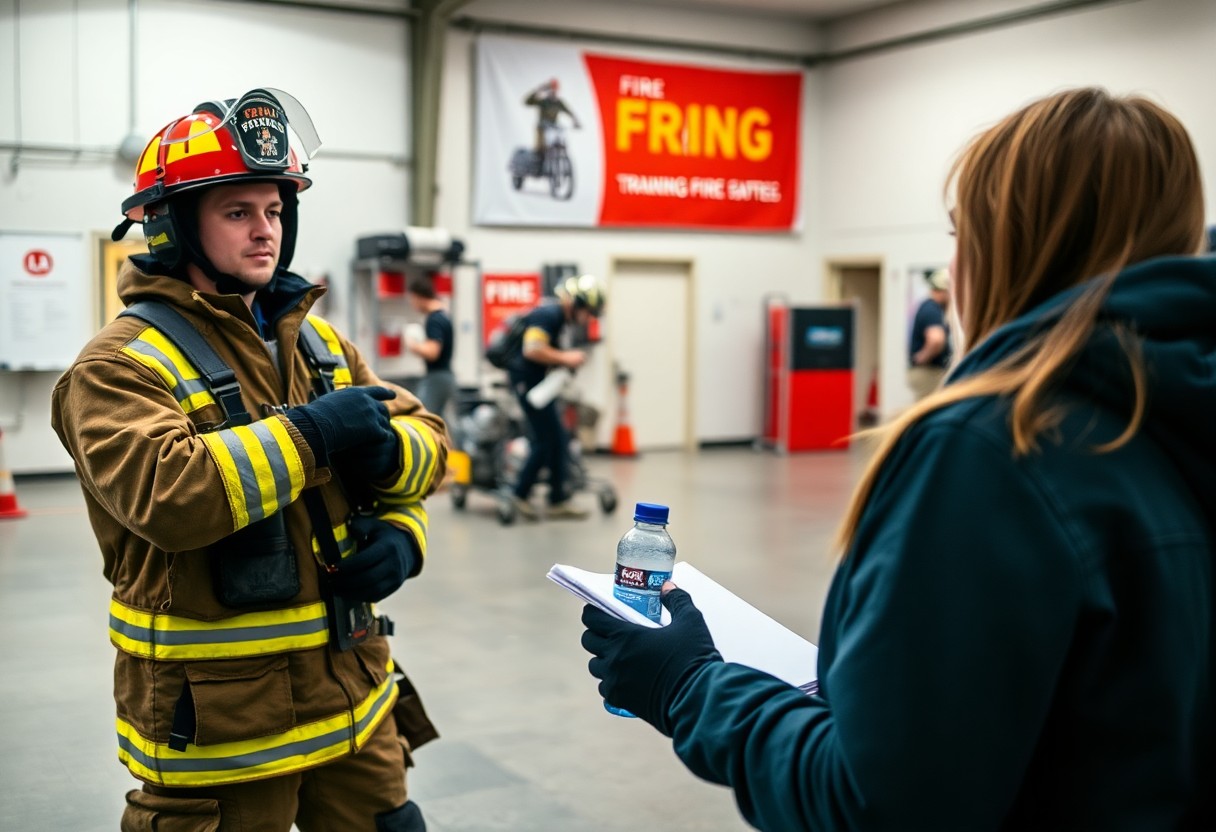
There’s a unique set of challenges that comes with supporting your firefighter spouse through their rigorous training and unpredictable on-call schedule. To effectively provide emotional support and practical assistance, you can create a stable home environment that allows them to focus on their demanding tasks. Understanding the physical and mental toll of their job can help you foster a deeper connection and facilitate open communication, ensuring they feel valued and supported during their most challenging times.
Key Takeaways:
- Maintain open communication to understand the emotional and physical demands faced during training and on-call situations.
- Offer practical support by managing household responsibilities and encouraging self-care activities.
- Be aware of the signs of stress and fatigue, facilitating access to resources or professional help when necessary.
- Participate in community events to build connections with fellow firefighters’ families, creating a supportive network.
- Encourage participation in training drills and familiarize yourself with the firefighter lifestyle to foster empathy and understanding.
Understanding the Demands of Firefighter Training
Your spouse’s training involves a rigorous schedule that demands significant time and energy. Firefighter training typically lasts several months and includes hands-on exercises, classroom learning, and physical fitness components. They must master skills such as equipment operation, fire suppression, and rescue techniques while also undergoing evaluation and testing that can be physically draining and mentally exhausting.
The Training Process
The training process is comprehensive, blending theoretical knowledge with practical application. Recruits learn about fire behavior, emergency medical services, and hazardous materials while also participating in drills that simulate real-life emergencies. These scenarios require teamwork, quick thinking, and adaptability, reinforcing the importance of communication and camaraderie among peers.
Physical and Mental Challenges
Your spouse faces significant physical and mental challenges throughout training. The intense workouts and demanding drills contribute to physical fatigue, while the pressure to excel can lead to stress and anxiety. Balancing these demands can be overwhelming, impacting their personal life and emotional well-being.
Physical challenges include long hours of high-intensity training, which can lead to injuries if proper precautions aren’t taken. For example, handling heavy equipment or navigating strenuous obstacle courses may strain muscles and joints. Mentally, firefighters deal with the stress of learning life-saving techniques under pressure. Statistics show that about 20% of first responders face debilitating anxiety during training. Providing support at home, such as encouraging recovery time and fostering open communication, can help mitigate these issues and create a more balanced environment for your spouse during this demanding period.
How to Communicate Effectively
Effective communication is foundational to supporting your firefighter spouse through their demanding schedule. This involves not only sharing your thoughts and feelings but also actively engaging with their experiences and emotions. Prioritize honest discussions about the stresses they face and create a safe space for expression, ensuring both of you feel heard and valued. Engaging in regular check-ins can foster deeper understanding and connection, enhancing your relationship during this challenging time.
Active Listening
Active listening is imperative for fostering a supportive environment. When your spouse shares their thoughts, focus entirely on them without distractions. Show that you are engaged by nodding or providing verbal affirmations, which encourages open dialogue. Avoid interrupting and be patient as they articulate their experiences, allowing them to feel genuinely understood, which can be especially reassuring during high-pressure periods.
Expressing Support
Articulating your support can significantly buoy your spouse’s morale. Regularly express your appreciation for their hard work and sacrifices. Provide reassurance that you stand by them, both during stressful training sessions and when they are on call. Simple gestures, like sending encouraging text messages or notes, can reinforce your emotional backing and make a lasting impact on their confidence.
Consistently expressing support involves not just words, but also actions. Acknowledge when your spouse has faced particularly taxing days, and offer kindness through gestures such as preparing their favorite meal or setting aside time for relaxation together. Celebrate their achievements, big or small, to affirm their dedication. This not only boosts their spirits but also fortifies the bond you share, making it easier to navigate the tough moments of their demanding career. When they feel your unwavering support, it empowers them to face challenges head-on and helps mitigate the stresses of their profession.
Managing Family Time
Effective family time management is important when your spouse is involved in firefighting. You will need to be proactive in scheduling quality moments together amidst their demanding on-call requirements and training sessions. Planning family activities during their designated off periods not only ensures you create cherished memories but also strengthens your bond as a couple and family unit.
Balancing Schedules
Finding harmony in your schedules may involve some trial and error. Utilize shared digital calendars to keep track of important dates, such as training sessions, family events, and downtime. This way, you can both anticipate busy periods and accommodate each other’s availability, so you maximize the time spent together.
Creating a Supportive Home Environment
A supportive home environment fosters resilience and understanding. Prioritizing a space that accommodates both personal and family needs can significantly enhance emotional well-being. After a long training day or intense on-call duty, your spouse will appreciate a calming atmosphere where they can unwind.
In practical terms, consider designating areas of your home for both relaxation and family bonding. Create a quiet retreat filled with their favorite books or hobbies, while also having a communal space for family meals and activities. Simple gestures, such as preparing a favorite meal after a long shift or ensuring a clean and organized living area, can make a significant difference in their emotional recovery and overall satisfaction with home life. Over time, these elements contribute significantly to a strong partnership during the demanding times of firefighting work.
Tips for Emotional Support
Providing emotional support to your firefighter spouse can significantly enhance their resilience during training and on-call demands. Prioritize being available to listen and actively engage. Incorporate these strategies into your daily interactions:
- Validate their feelings and experiences.
- Encourage relaxation techniques like meditation.
- Participate in physical activities together.
- Be a source of consistent encouragement.
Any effort you make to support them emotionally will strengthen your relationship and provide comfort during stress.
Recognizing Stress Signs
It’s crucial to be aware of how stress manifests in your spouse. Look for signs such as persistent irritability, difficulty sleeping, or emotional withdrawal. These indicators can impact both their personal well-being and your relationship. Being attuned to these symptoms is the first step in offering meaningful support when it’s needed most.
Encouraging Open Dialogue
Creating an environment where your spouse feels safe to express their thoughts fosters connection and understanding. Share your desire for them to communicate openly about their experiences. Ask thoughtful questions that allow them to reflect on their feelings, like “What was the most challenging part of your training today?” Encourage them to share openly without judgment. Regularly check in to reinforce your commitment to supporting their open dialogue.
Practical Ways to Offer Assistance
You can play a pivotal role in your spouse’s training by offering tangible support in various areas. Small gestures, like preparing study schedules or managing household duties, can alleviate stress. Demonstrating understanding and willingness to help can make a significant difference in their performance and morale during demanding times.
Helping with Study Materials
Providing access to quality study materials can greatly enhance your spouse’s learning experience. Consider creating a dedicated study space stocked with relevant textbooks, practice exams, and online resources. Collaborating on practice quizzes or flashcards not only aids retention but also shows your investment in their success.
Managing Household Responsibilities
Taking charge of household responsibilities allows your spouse to concentrate on their training without the distraction of daily chores. This can mean anything from cooking meals to handling laundry or grocery shopping. By freeing up their time, you ensure they can focus on their studies and physical training. This proactive approach fosters a supportive environment, ensuring that their emotional and physical needs are met during a period that can be both demanding and exhausting.
Factors to Consider for Your Spouse’s Well-being
Supporting your firefighter spouse requires understanding various factors that significantly affect their well-being. Consider their emotional and physical health, the importance of consistent routines, and the impact of unpredictable schedules. Your recognition of their needs can foster a nurturing environment that helps them thrive during intense training and call obligations. Prioritize the following aspects:
- Emotional support
- Physical health maintenance
- Routine consistency
- Understanding shift variations
The right balance in these areas will significantly enhance their overall resilience.
Impact of Shift Changes
Frequent shift changes can disrupt your spouse’s sleep schedule, impacting their energy levels and mood. As shifts can vary between day and night, they may struggle with maintaining a regular routine, leading to fatigue or stress. It’s vital for you to be flexible with plans and create an atmosphere that accommodates their changing schedule.
Importance of Self-Care
Prioritizing self-care is imperative for your spouse’s well-being as a firefighter. Regular downtime allows them to recharge physically and mentally amid challenging duties. Encourage habits like exercise, hobbies, and relaxation techniques to help them decompress from the daily pressures of their demanding role. The benefits of these practices will enhance their performance and overall happiness.
Engaging in self-care routines can be transformative for your spouse. Activities such as yoga, meditation, or simply spending quiet time outdoors can significantly lower stress levels while promoting mental clarity. According to studies, maintaining a balance between work and personal time leads to increased job satisfaction and resilience. Implementing regular self-care habits not only benefits your spouse but strengthens your relationship, creating a supportive partnership throughout the hectic demands of firefighting. The more you advocate for self-care, the more resilient they’ll become in facing the challenges of their profession.
Summing up
With these considerations, you can effectively support your firefighter spouse through the challenges of training and on-call demands. Providing emotional encouragement, understanding their schedule, and prioritizing communication will strengthen your partnership. Additionally, being flexible and proactive in managing household responsibilities will alleviate stress for both of you. By fostering a supportive environment and showing appreciation for their commitment, you can help them succeed while maintaining a healthy relationship.