It’s imperative to recognize that volunteer firefighters face unique challenges that can lead to burnout. As a leader, you have the power to implement effective recovery tactics that foster resilience and improve overall morale. Supporting your crew with proper training, stress management resources, and open communication can greatly enhance their well-being. By prioritizing your team’s mental health, you not only strengthen their commitment but also ensure that they can maintain the high standards required in emergency situations.
Key Takeaways:
- Implement regular mental health check-ins and encourage open communication to identify signs of burnout early.
- Foster a supportive environment that promotes work-life balance and encourages self-care practices among firefighters.
- Provide access to professional mental health resources and training to help leaders effectively support their team members.
Understanding Burnout in Volunteer Firefighters
Burnout in volunteer firefighters manifests as emotional, physical, and mental exhaustion caused by prolonged stress. The unique pressures of responding to emergencies without adequate resources or rest can exacerbate this condition, impacting not just individual well-being but also team dynamics and operational effectiveness.
Definition and Symptoms
Burnout is characterized by chronic fatigue, irritability, reduced performance, and feelings of helplessness. You may notice a distinct change in your motivation or the enthusiasm you once had for your service, alongside somatic symptoms like headaches and sleep disturbances, which hinder your ability to function optimally.
Causes and Contributing Factors
Multiple factors contribute to burnout, including long hours, heavy workloads, and lack of support. Engaging in emotionally taxing scenarios without sufficient recovery time can wear you down. Additionally, inadequate training and resources make it challenging to respond effectively, leading to feelings of inadequacy and frustration.
- Long hours
- Emotional strain
- Lack of support
Addressing these causes requires systemic changes within departments, such as regular emotional debriefings and ensuring adequate staffing levels. Involvement in critical incidents without support can lead to immediate emotional weariness. Recognizing these factors early on helps in crafting effective interventions for burnout prevention.
- Inadequate training
- Heavy workloads
- Resource shortages
Contributing factors often intertwine; for instance, sustained high-pressure situations without adequate rest can lead to chronic stress. This cycle can escalate quickly if not monitored, creating an environment ripe for burnout. Recognizing these issues allows you to implement targeted strategies to mitigate their impact.
The Role of Leadership in Burnout Recovery
Effective leadership is crucial in guiding your team through burnout recovery. Leaders must foster open communication, allowing firefighters to share their feelings without judgment. By prioritizing mental health initiatives and providing resources, you can create an environment that promotes well-being. For more insights on supporting your firefighters, explore Managing a mental health emergency: How fire chiefs can ….
Recognizing Signs of Burnout in Crew Members
Identifying burnout early is key to effective intervention. Look for increased irritability, exhaustion, and decreased performance among your crew members. Subtle signs may include withdrawal from teamwork and a lack of enthusiasm during training or calls. Keeping a close eye on these behaviors can help you address issues before they escalate.
Creating a Supportive Environment
A supportive work environment is vital for mental health. You should encourage team bonding through regular check-ins, team-building activities, and open discussions about workplace challenges. Providing access to mental health resources, such as counseling services or stress management workshops, shows your commitment to your firefighters’ well-being.
Creating a supportive environment involves more than just policies; it’s about cultivating a culture of trust. Encourage your crew to express their concerns and feelings without fear of stigma. Regularly scheduled peer support meetings can help individuals feel connected. Be proactive in recognizing signs of distress and foster camaraderie by involving your team in decision-making processes. Acknowledgment of individual contributions not only improves morale but also reinforces the collective purpose crucial in firefighting, ultimately minimizing burnout risks.
Effective Communication Strategies
Establishing effective communication is crucial for supporting your volunteer firefighters in their recovery from burnout. Clear and consistent dialogue fosters an open environment where team members feel safe discussing their challenges, ultimately improving both morale and performance.
Open Dialogues and Regular Check-Ins
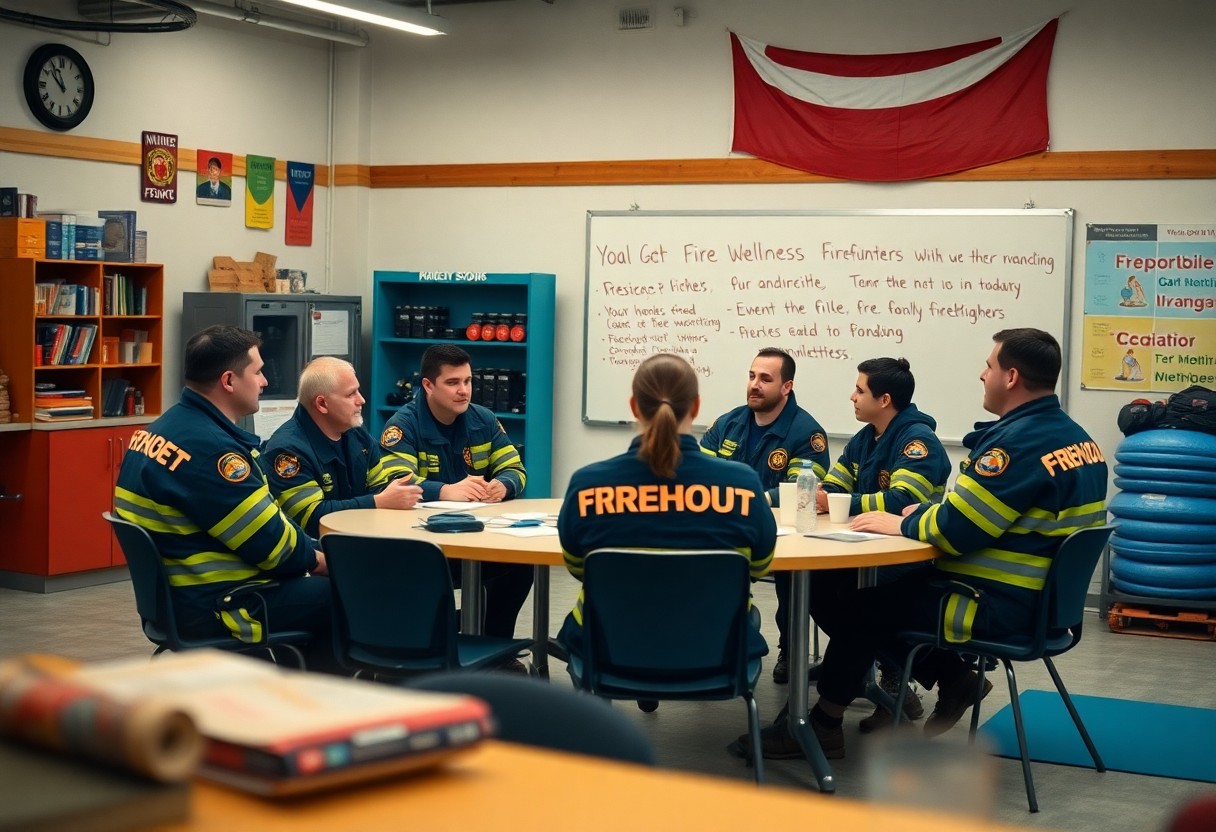
Facilitating open dialogues and conducting regular check-ins with your crew helps identify stressors early. Schedule brief, informal meetings or one-on-one sessions that allow members to express their feelings, share insights, and discuss workload. This proactive approach not only builds trust but also enhances the overall health of your team.
Encouraging Feedback and Listening
Actively encouraging feedback and genuinely listening to your firefighters promotes a culture of inclusivity and support. Regularly solicit input on operational procedures, training, and mental health initiatives to signal that you value their opinions. By showing that you take their feedback seriously, you can significantly improve engagement and reduce feelings of isolation.
Your willingness to listen can transform the dynamic of your firehouse. Consider implementing anonymous surveys or suggestion boxes to capture honest feedback without fear of repercussion. Additionally, create designated times for team members to voice their concerns during meetings. The more you acknowledge their input and adapt practices based on their suggestions, the more empowered and valued your crew will feel, which will directly impact their resilience against burnout.
Implementing Stress Management Techniques
Integrating stress management techniques into your fire department’s culture fosters a supportive environment. This involves creating structured programs where firefighters can learn to recognize signs of stress and engage in coping strategies. Regular workshops can provide tools for managing stress effectively, such as time management and guided relaxation exercises. It is important that you prioritize these practices, making them accessible and integral to your operational routine.
Mindfulness and Resilience Training
Incorporating mindfulness and resilience training enhances your crew’s ability to handle stress. These trainings help members develop awareness of their thoughts and feelings, reduce anxiety, and improve focus during stressful situations. By adopting techniques such as meditation and breathing exercises, firefighters learn to bolster their mental fortitude, enabling them to respond with clarity in emergencies.
Physical Wellness and Self-Care Practices
Promoting physical wellness and self-care practices is important for your firefighters’ recovery and overall health. Encourage them to engage in regular exercise, maintain a balanced diet, and prioritize adequate sleep. These elements significantly contribute to both physical stamina and mental resilience, which are necessary for both fire service and personal well-being.
Implementing a structured wellness program can greatly enhance physical health within your crew. Set up group fitness activities, such as weekly workouts or team challenges, to foster camaraderie and accountability. You might also consider partnering with local gyms or trainers to provide resources. Hosting nutrition workshops to educate members on healthy eating habits, alongside promoting adequate sleep hygiene, can yield long-term benefits. Prioritizing self-care activities such as hobbies or relaxation techniques will help your team recharge, ultimately driving their commitment and effectiveness in the field.
Fostering Team Cohesion and Support
Your role in fostering team cohesion directly impacts your crew’s morale and mental health. Create an environment where open dialogue is encouraged, promoting trust and camaraderie. Regular team check-ins, shared meals, and informal gatherings can strengthen relationships and allow for vulnerability among members. Establishing a strong support network within the team not only enhances individual recovery but also contributes to overall operational effectiveness.
Team-Building Activities
Incorporating regular team-building activities enhances cooperation and strengthens bonds among your volunteers. Consider exercises like trust falls, obstacle courses, or group challenges that promote teamwork and communication. Engaging your team in social outings, such as hikes or sports, also allows firefighters to connect outside of the high-stress environment, fostering personal relationships that translate into a supportive atmosphere on duty.
Peer Support Programs
Implementing peer support programs can significantly bolster mental health and resilience within your team. By encouraging firefighters to share experiences and provide emotional support, you create a safe space for openness. This can reduce feelings of isolation and help recognize signs of burnout early, allowing for timely interventions.
Peer support programs can take various forms, such as buddy systems or dedicated support groups, where members can discuss their challenges and coping strategies. Training selected volunteers as peer supporters equips them with the skills to provide guidance and listen empathetically. Statistics show that peer-led initiatives can enhance psychological well-being, with studies indicating that participants often report lower stress levels and increased job satisfaction. Building this network not only fosters resilience but reinforces your commitment to the mental health of your team.
Resources for Burnout Recovery
Utilizing available resources can significantly aid in burnout recovery for your firefighters. Providing access to mental health resources, fostering community support, and offering training programs can create an environment conducive to healing. A structured approach ensures that your team receives the necessary tools and support for their mental well-being, ultimately enhancing their resilience and performance in the field.
Mental Health Resources and Training
Access to mental health resources and training is vital for your team’s recovery. Incorporating workshops, seminars, and access to professional counseling services can equip them with coping strategies and skills to manage stress effectively. Regular training on mental health awareness fosters a culture that prioritizes emotional well-being, encouraging open dialogue about mental health challenges.
Community Support Opportunities
Establishing community support opportunities can provide your crew with important connections and resources. Engaging in local events or partnerships with mental health organizations fosters a sense of belonging and shared experience. This outreach can enhance morale, reduce feelings of isolation, and create a network of support that extends beyond the firehouse.
Consider local organizations that offer peer support programs, group workshops, or recreational activities aimed at building rapport among firefighters and their community. Engaging in events like charity runs, community clean-ups, or team-building retreats can both strengthen familial bonds and provide a mental health break. Building alliances with mental health organizations in your area can also offer valuable training sessions and resources tailored for your crew’s specific needs, paving the way for sustained recovery and resilience.
Summing up
Ultimately, prioritizing burnout recovery tactics is crucial for the well-being of your volunteer firefighters. You can support your crews by fostering an environment that emphasizes mental health awareness, offering training on stress management techniques, and encouraging open discussions about challenges they face. By implementing these strategies, you not only enhance resilience but also promote a culture of care and support within your team. Your leadership is key in ensuring that your firefighters feel valued and prepared to face the demands of their role while maintaining their personal health and job satisfaction.