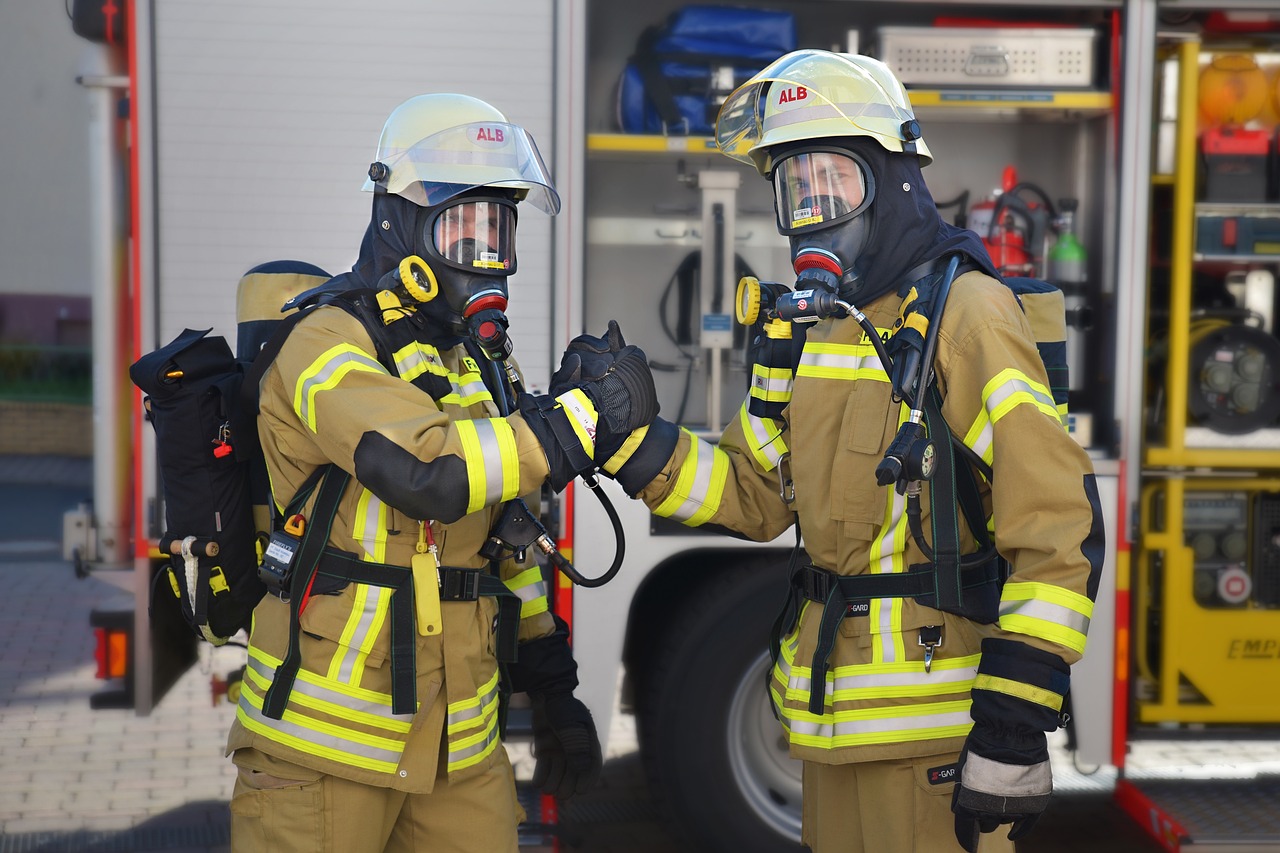
You are a vital part of your community as a volunteer firefighter, and knowing effective search and rescue techniques can make all the difference in emergency situations. In this step-by-step how-to guide, we will walk you through necessary techniques and strategies to efficiently locate and rescue individuals in need. From search planning and organization to utilizing proper equipment and communication methods, this guide will equip you with the knowledge and skills necessary to handle search and rescue operations effectively and safely. Whether you are a seasoned firefighter or new to the field, this guide will help you enhance your capabilities and make a significant impact during critical moments.
Key Takeaways:
- Preparation is key: Before heading out for a search and rescue mission, ensure that all necessary equipment is in place and team members are briefed on the plan.
- Communication is crucial: Maintaining clear and constant communication with team members is crucial for coordinating efforts and ensuring everyone’s safety during the operation.
- Follow proper procedures: Adhering to established search and rescue protocols and techniques can increase the efficiency and effectiveness of the mission, leading to successful outcomes.
Preparing for Search and Rescue Operations
Understanding Key Factors for Successful Search and Rescue
You must possess a thorough understanding of the key factors that contribute to the success of search and rescue operations. Factors such as terrain, weather conditions, time of day, and the individual’s physical and emotional state play crucial roles in determining the outcome of a rescue mission. Familiarizing yourself with these key elements will enhance your ability to conduct successful search and rescue operations.
- Always assess the terrain and weather conditions before initiating a search and rescue operation.
- Consider the time of day and its impact on visibility and the individual’s energy levels.
- Take into account the physical and emotional state of the individual in distress to tailor your approach accordingly.
Perceiving these key factors will guide your decision-making process and increase the likelihood of a successful outcome in search and rescue missions.
Pre-Rescue Preparation and Tips for Readiness
Even before initiateing on a search and rescue mission, it is vital to engage in pre-rescue preparation to ensure readiness for any scenario you may encounter. Preparation involves checking and maintaining your equipment, ensuring communication devices are functional, and coordinating with your team members to establish clear roles and responsibilities. By preparing in advance, you can respond effectively and efficiently to emergencies when they arise.
- Regularly check and maintain your equipment to ensure it is in proper working condition.
- Test communication devices to guarantee seamless connectivity with team members during operations.
- Establish clear roles and responsibilities within your team to facilitate smooth coordination and execution of search and rescue efforts.
Recognizing the importance of pre-rescue preparation will enhance your overall effectiveness as a volunteer firefighter and improve the outcomes of your search and rescue operations.
Factors to Consider During Search and Rescue Preparation
Factors such as communication, navigation, teamwork, and situational awareness are crucial during the preparation phase of search and rescue operations. Ensuring effective communication channels, mastering navigation techniques, fostering a spirit of teamwork among team members, and maintaining heightened situational awareness are vital elements that contribute to the success of any search and rescue mission. By paying attention to these factors, you can optimize your preparedness and increase the chances of a successful outcome when responding to emergencies.
- Effective communication is vital for coordinating actions and sharing vital information during search and rescue operations.
- Mastering navigation techniques will help you navigate complex terrains and locate individuals in distress accurately.
- Promoting teamwork fosters a collaborative environment that enhances the efficiency and effectiveness of search and rescue efforts.
Recognizing and prioritizing these factors will elevate your performance as a volunteer firefighter and contribute to the successful execution of search and rescue operations.
Conducting the Search
How to Approach the Search Area Methodically
The key to conducting a successful search operation is to approach the search area methodically. Before entering the area, ensure that all team members are briefed on the plan of action and are equipped with necessary tools and gear. Divide the search area into manageable sections and assign teams to cover each section thoroughly, starting from the outer perimeter and moving inward.
Techniques to Maximize Efficiency and Coverage
Some techniques can help maximize efficiency and coverage during a search operation. Utilize a grid search pattern, marking off areas as they are searched to avoid duplication. Employ the use of search dogs to cover ground quickly and efficiently. Additionally, consider employing thermal imaging technology to detect body heat in areas that may not be visible to the naked eye.
The systematic approach to searching a designated area can significantly increase the chances of locating missing persons in a timely manner. By following these techniques and remaining focused on the task at hand, volunteer firefighters can conduct effective search and rescue operations with precision and confidence.
Rescue Techniques
Assessing and Adapting to Different Rescue Situations
Keep in mind that every rescue situation is unique and may require different approaches. Before executing any rescue operation, carefully assess the environment, the condition of the victims, and any potential hazards. Be prepared to adapt your rescue plan based on the evolving circumstances.
How to Safely Extract Victims and Provide Immediate Care
Now, when it comes to safely extracting victims from precarious situations, it is crucial to prioritize the safety of both the victims and the rescuers. Utilize proper lifting techniques, immobilization devices, and teamwork to ensure a smooth and safe extraction process. Once the victims are out, provide immediate first aid and reassurance to stabilize their condition before further medical assistance arrives.
Extracting victims from confined spaces or unstable structures requires expertise and precision. Make sure to communicate effectively with the victims throughout the extraction process to keep them calm and informed. Utilize equipment like stretchers, ropes, and harnesses as needed, and always prioritize the safety and well-being of everyone involved in the rescue operation.
After the Search and Rescue
Debriefing and Learning from the Experience
To ensure continuous improvement and better outcomes in future search and rescue missions, it is crucial to conduct a thorough debriefing session after each operation. An open and honest discussion allows team members to share their observations, challenges faced, and lessons learned. This process not only helps in processing the emotional impact of the mission but also provides invaluable insights for enhancing skills and procedures.
Post-Rescue Reporting and Documentation Procedures
Search and rescue operations require meticulous reporting and documentation to ensure all details are accurately recorded for future reference and analysis. Post-rescue reporting includes documenting the timeline of events, actions taken, equipment used, and any notable observations. Photographs, sketches, and witness statements are also vital components of a comprehensive report. This detailed documentation is crucial for legal purposes, training, and improving operational efficiency.
To maintain accuracy and consistency in post-rescue reporting, the designated team leader should oversee the documentation process. All team members must promptly submit their individual reports, which should then be compiled into a cohesive final report for official records.
To wrap up
The importance of search and rescue techniques cannot be overlooked in firefighting. This step-by-step how-to guide for volunteer firefighters has provided invaluable insights into the critical skills needed to effectively locate and retrieve individuals in emergencies. By mastering these techniques, firefighters can enhance their ability to save lives and mitigate disasters. Continuous training and practice are crucial to ensure that these skills are honed to perfection. As frontline responders, volunteer firefighters play a crucial role in keeping their communities safe. With the knowledge and expertise gained from this guide, volunteer firefighters are better equipped to handle the challenges they may face during search and rescue operations. Embracing these techniques is a critical aspect of their commitment to serving and protecting the public in times of crisis.