
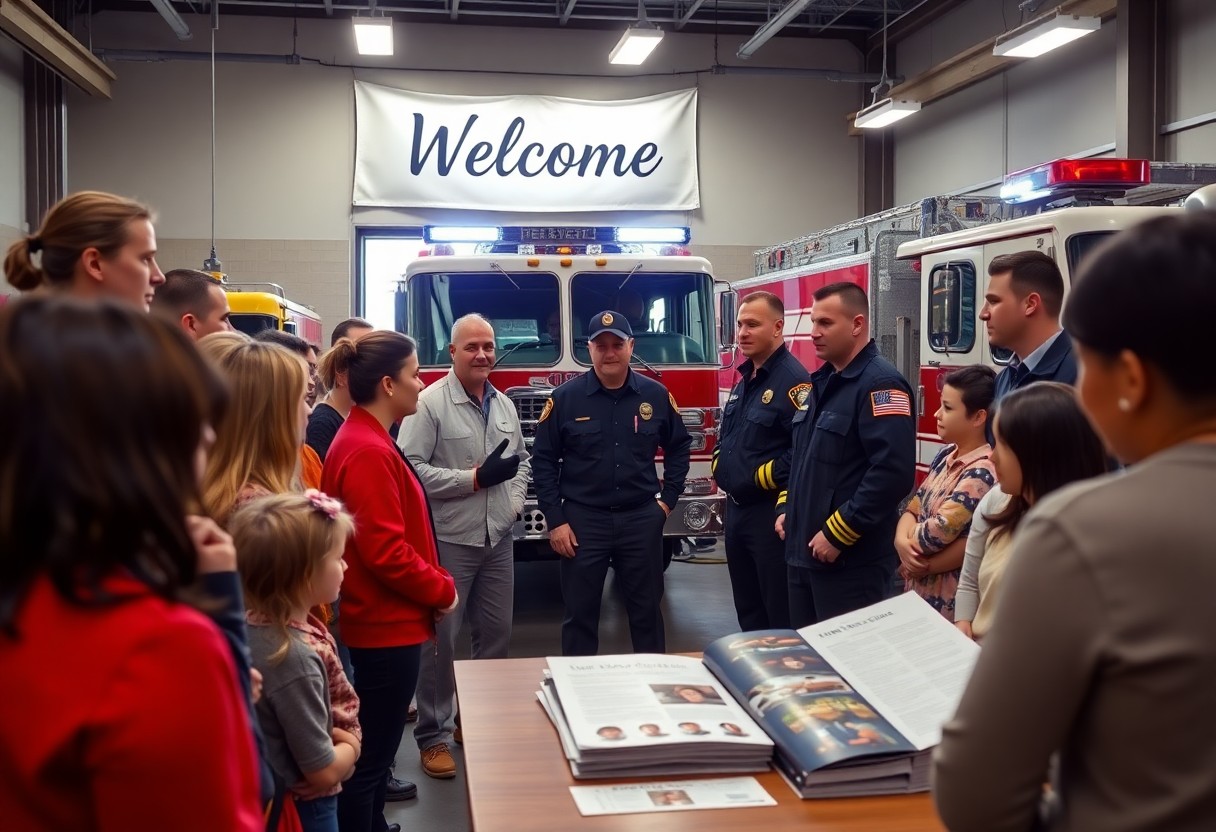
Over time, integrating new firefighter families into your department’s culture is important for fostering a sense of belonging and support. Effective communication about department values and expectations can enhance their experience and strengthen community ties. You can create a welcoming environment by providing important resources and opportunities for engagement, ensuring that families feel appreciated and informed about the challenges and rewards of a firefighting career.
Key Takeaways:
- Provide a comprehensive orientation that covers department history, values, and expectations.
- Incorporate mentorship programs pairing new families with experienced members to foster relationships.
- Encourage open communication by hosting regular family meetings and feedback sessions.
- Highlight department traditions and community involvement to promote a sense of belonging.
- Create accessible resources, such as handbooks or online portals, detailing policies and benefits.
Understanding Department Culture
A strong department culture fosters collaboration and resilience among firefighters. It’s necessary for new families to understand this culture as it directly influences how team members interact and function in high-pressure situations. Engaging with existing personnel, attending regular training sessions, and observing daily operations can provide valuable insights into the unwritten rules and shared experiences that define your department’s unique character.
Defining Core Values
Your department’s core values, such as integrity, teamwork, and respect, set the tone for its operations and interactions. These values serve as guiding principles, shaping both decision-making processes and interpersonal relationships within the team. Ensuring new families grasp these principles can foster a sense of belonging and purpose.
Identifying Cultural Norms
Cultural norms encompass the behaviors and practices that are accepted within your department. These can include specific communication styles, informal rituals, and expected responses during emergencies. Understanding these nuances helps new families navigate the environment more effectively.
For instance, you might find that your team frequently engages in friendly banter, building camaraderie while alleviating stress. Observing how senior firefighters engage with one another during debriefings can also reveal expectations around accountability and feedback. Additionally, rituals like annual team-building events or celebrations of milestones serve to strengthen ties between personnel, highlighting the importance of maintaining a supportive community. By paying attention to these cultural norms, new families can feel more at home and aligned with departmental expectations.
Preparing Existing Firefighter Families
Preparing your existing firefighter families is vital to foster a welcoming environment for new recruits. Engaging established families in the orientation process helps to create strong bonds and ensures that everyone understands the shared values and expectations. By facilitating family-oriented events and discussions, you provide an opportunity for current families to share their experiences, which bridges the gap between newcomers and veteran members.
Communicating Expectations
Clearly communicating expectations to current firefighter families helps minimize misunderstandings and promotes a unified department culture. Share the department’s policies, participation guidelines, and the role families play in supporting their firefighter members. Accurate information empowers families to navigate their unique challenges, ensuring they are well-prepared for the commitment involved in the firefighting profession.
Encouraging Inclusivity
Fostering an inclusive atmosphere is key to transforming your department into a cohesive community. Invite existing families to partake in new family orientation sessions, allowing for shared stories and perspectives. Encourage participation in department events to create connections among families. The more inclusive your department becomes, the stronger relationships will grow.
Encouraging inclusivity not only enhances the experience for new firefighter families but also reinforces a supportive environment for existing members. Organizing joint activities, such as family picnics or volunteer opportunities, allows families to interact, share lessons, and establish friendships. Be proactive in creating diverse events that cater to everyone’s interests, and recognize contributions from all family members. This approach cultivates a sense of belonging and strengthens the department’s culture, ultimately benefiting the entire firefighting community.
Welcoming New Families
Creating an environment where new firefighter families feel welcomed is imperative for building strong relationships and promoting a sense of belonging. Implementing initiatives that integrate families into social events, training opportunities, and community service allows them to forge connections with both the department and each other. By openly communicating and inviting families to participate, you demonstrate that they are valued members of the fire department community.
Organizing Orientation Events
Hosting orientation events provides new families with firsthand insights into your department’s culture, expectations, and routines. These gatherings should include presentations from seasoned personnel, interactive activities, and Q&A sessions, ensuring families have the opportunity to engage and inquire about any uncertainties. Incorporating a tour of the facility creates familiarity, helping ease any reservations they might have.
Assigning Mentorship Roles
Pairing new firefighter families with experienced families fosters a supportive environment and facilitates smoother integration. Mentors can provide guidance, share personal experiences, and offer resources that help newcomers navigate department life. This relationship bolsters morale, enhances communication, and strengthens the overall family unit.
Further elaborating on mentorship, assigned mentors should actively engage in regular check-ins and social activities, allowing a consistent line of support for new families. You can establish specific goals for mentoring relationships, such as attending a set number of social events or participating in training sessions together. A successful mentorship program not only offers practical advice but also creates authentic friendships, enhancing loyalty and commitment to the department. It’s important to recognize and celebrate these mentor-mentee relationships to encourage ongoing participation and highlight their significance within your community.
Engaging with the Community
Connecting with the community is vital for establishing trust and support. By actively engaging with civilians, you foster a sense of belonging and demonstrate that your department values its relationship with the residents it serves. New families should be encouraged to participate in these initiatives, allowing them to understand the significance of their role both as firefighters and community members.
Building Relationships Outside the Department
Creating bonds beyond the firehouse enhances teamwork and morale. Encourage new families to socialize with community members through casual meet-ups or collaborations with local organizations. These interactions not only break down barriers but also promote a culture of inclusivity where everyone feels valued.
Participating in Local Events
Involvement in local events allows your department to showcase its commitment and dedication. Firefighter families can take part in charity runs, parades, and safety fairs, which improves visibility and strengthens community ties. New families who actively participate help cultivate a positive image and reinforce the message that your department is an integral part of the community.
Local events present excellent opportunities for connection. For instance, volunteer as a team at a charity barbecue or fire safety day. These gatherings often draw large crowds, providing a platform for personnel to engage with families and neighbors. Sharing stories and experiences during these events builds rapport and enhances community knowledge about fire safety practices. When you show support in local initiatives, it reflects the department’s values and strengthens relationships with residents, ultimately leading to better cooperative efforts during emergencies.
Tips for Ongoing Support
To ensure long-term integration, prioritize support for new families through consistent check-ins and open lines of communication. Schedule regular meetings to gather feedback on their experiences and address any concerns. Offer opportunities for them to engage in social events and activities that promote bonding within the ranks. Foster connections between veteran and new firefighter families, making sure everyone feels included. Thou shall never underestimate the importance of ongoing support for a thriving department culture.
Creating Support Networks
Establishing support networks among families greatly enhances the onboarding experience. Encourage established families to mentor newcomers, sharing both personal experiences and guidance. Create social events, such as potlucks or family days, to build camaraderie and strengthen these connections. The sense of community fosters resilience and promotes positive relationships, vital for navigating the unique demands of being a firefighter family.
Offering Resources and Training
Providing resources and training opportunities is imperative for the continuous development of new families. Consider organizing workshops that address topics from mental health awareness to financial management for firefighter families. Online resources, including forums or written materials, can also aid in this transition. Furthermore, partnering with local organizations can broaden access to resources tailored specifically for first responders and their loved ones.
This support could include hosting quarterly training sessions focused on specific challenges like PTSD awareness and family readiness programs. These efforts equip families with tools to effectively manage the unique pressures of firefighting life. Establishing an onboarding binder or digital platform that includes everything from local counseling services to financial advice can streamline resource availability. This comprehensive support structure also emphasizes the department’s commitment to the well-being of all members. Your proactive approach fosters long-lasting relationships that contribute positively to your department’s culture and performance.
Factors to Consider
Several factors influence how new firefighter families adapt to your department’s culture and expectations. Consider the family dynamics, previous involvement in firefighting or emergency services, regional differences in culture, and their individual backgrounds. Family support systems play a significant role in their integration process. Encourage open conversations to address any concerns. Assume that each family will require tailored support that reflects their unique circumstances.
Acknowledging Diversity
Recognizing the diverse backgrounds of new firefighter families enriches the department’s culture. Each member brings distinct experiences that shape their perspectives. By fostering an inclusive environment and actively listening to their stories, you create a sense of belonging. This approach not only enhances unity but also strengthens interpersonal relationships within the team.
Adapting to Change
Preparing for adaptation is important as new firefighter families transition into your department. Change can be daunting, yet it also provides opportunities for growth and development. Your proactive communication about policies, shifts, and evolving practices helps mitigate anxiety and builds confidence. Encourage their input to formulate a collaborative environment that benefits everyone involved.
Adapting to change involves continuous learning and flexibility. New families may encounter different protocols, expectations, and social dynamics compared to their previous experiences. Conduct regular feedback sessions to gauge their comfort and understanding of new systems. Offering training sessions and informal gatherings can ease their transition, reinforcing the idea that embracing change is a shared journey for the entire department.
Conclusion
On the whole, successfully introducing new firefighter families to department culture and expectations requires a structured approach that emphasizes communication, integration, and support. You can create a welcoming environment by organizing orientation sessions, facilitating mentorship opportunities, and encouraging open dialogue. Providing clear resources and regularly engaging with families will strengthen their connection to your department, enhancing overall morale and cohesion. Your commitment to fostering inclusivity not only benefits newcomers but also enriches your entire firefighting community.