You enhance live fire training safety and compliance by applying standardized protocols, enforcing full PPE, limiting participant numbers, using qualified instructors, conducting risk assessments, maintaining accountability systems, documenting drills, running realistic but controlled scenarios, scheduling fatigue breaks, and performing thorough post-training debriefs.
Follow NFPA 1403 Standards
You should align live fire training with NFPA 1403 to reduce risks and meet compliance. Use documented burn plans, qualified instructors, and approved props so training remains safe and auditable.
Review Current Regulations
You must review local, state, and NFPA 1403 updates before each program. Verify permits, site approvals, and medical coverage to ensure legal and safety obligations are satisfied.
Implement Required Procedures
You need to implement NFPA 1403 procedures including pre-burn briefings, control zones, extinguishment plans, and equipment checks so hazards are managed and compliance is documented.
You should detail burn plans with ignition methods, fuel loads, weather limits, safety officer assignments, PPE requirements, and emergency medical protocols; require qualified instructors to sign off and keep written records of each evolution for audits and continuous improvement.
Appoint Dedicated Safety Officers
You assign trained safety officers to oversee all live-fire evolutions, enforce safety protocols, halt activities if risks rise, and coordinate emergency response. Clear authority minimizes confusion and keeps accountability focused during complex training.
Monitor Fire Conditions
You station safety officers to continuously assess wind, fuel moisture, smoke behavior, and thermal readings, then communicate changes to the crew so you can adjust tactics or stop the burn.
Manage Participant Safety
You ensure each trainee wears proper PPE, signs medical waivers, passes fitness checks, and receives briefings on escape routes and emergency signals before entry.
You implement roll-call procedures, assign buddies, limit exposure times, rotate crews, monitor heat stress and hydration, and station medical staff to treat injuries immediately.
Conduct Detailed Safety Briefings
You must run a detailed safety briefing before each live-fire evolution, covering hazards, roles, communications, and PPE checks so everyone understands expectations and limits.
Explain Training Objectives
You should state clear training objectives, desired skills, and measurable outcomes so trainees know the purpose, scope, and success criteria for the exercise.
Identify Emergency Exit Routes
You must identify all emergency exit routes and assembly points, assign route responsibilities, and confirm they remain unobstructed throughout the exercise.
Mark routes with signs and lighting, brief crews on primary and secondary exits, and test each path before ignition. Assign a safety officer to monitor exits, clear obstructions, and halt the evolution immediately if any egress becomes unsafe.
Inspect Personal Protective Equipment
You inspect PPE before every live burn, checking for tears, worn straps, heat damage, and expired SCBA cylinders. Log defects and remove compromised items from service to keep trainees safe and maintain compliance with department policies and manufacturer guidelines.
Check Gear Integrity
You inspect helmets, turnout coats, gloves, boots, and SCBA for cracks, compromised seals, burned fabrics, and missing hardware. Test functionality of visors and buckles, and tag any piece that fails inspection for repair or replacement.
Ensure Proper Fitment
You confirm PPE fits snugly without restricting movement or breathing; adjust straps, suspenders, and helmet liners before entry. Poor fit increases heat stress and exposure risk-reassign or refit personnel who cannot achieve a secure fit.
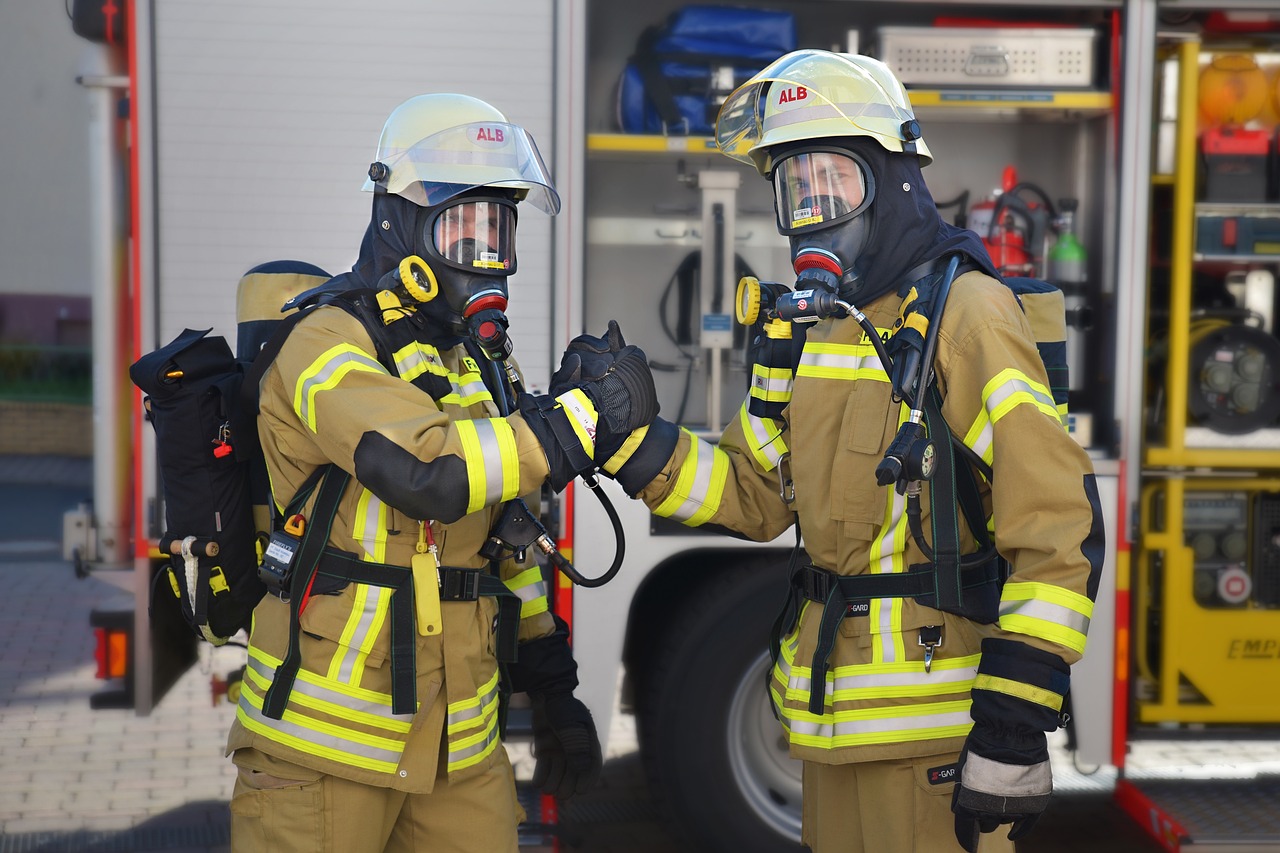
You perform positive and negative pressure seal checks on SCBA facepieces and verify regulator connections. You don turnout gear fully, confirm coat overlap, sleeve and pant lengths cover skin, and secure boot tabs. You test glove dexterity and radio operation while wearing full PPE. You check helmet clearance, chinstrap tension, and harness adjustment for sustained movement. You record fit failures and arrange refit or replacement before live burns.
Establish Rapid Intervention Teams
You must assign dedicated rapid intervention teams (RIT) to monitor live-fire evolutions, ready to enter immediately for firefighter rescue. Keep RITs equipped, staged, and briefed on entry routes, accountability, and communication procedures.
Designate Rescue Personnel
You should assign firefighters specifically trained for rapid rescue, with clear roles for entry, search, and victim packaging. Maintain rotation to prevent fatigue and confirm qualifications before each burn.
Stage Necessary Equipment
You must stage extra air cylinders, charged hoselines, spare SCBA masks, forcible entry tools, and thermal imaging cameras near the hazard area for immediate RIT access.
Position equipment along predetermined routes, tag items for quick ID, and run pre-burn checks on gauges and fittings so you avoid retrieval delays during rescues.
Monitor On-Site Weather Conditions
You must monitor on-site weather to prevent unsafe conditions during live burns. Check wind, temperature, humidity, and visibility before and during evolutions. Adjust ignition plans, crews, and rehab based on changing conditions to maintain safety and compliance.
Weather Checkpoints
| Observation | Action |
|---|---|
| Wind | Set staging upwind, track shifts |
| Temperature | Modify burn intensity and rehab |
| Humidity | Adjust ignition timing |
| Visibility | Pause if smoke endangers ops |
Assess Wind Direction
You must assess wind direction to control smoke and fire spread. Use flags, smoke, or anemometers to determine vector and speed, and position crews and apparatus upwind when possible. Stop or reposition operations if wind shifts toward exposures.
Wind Assessment
| Tool | Recommended Action |
|---|---|
| Flags/smoke | Visualize vector; confirm with team |
| Anemometer | Measure speed; set thresholds |
| Wind trend | Reposition apparatus upwind |
| Erratic shifts | Cease ignition until stable |
Track Ambient Temperatures
You should track ambient temperatures because heat affects fuel behavior, firefighter heat stress, and equipment limits. Log temps at intervals, watch for heat index rises, and modify burn intensity or schedule to reduce risk.
Temperature Monitoring
| Measure | Response |
|---|---|
| Ambient air temp | Record hourly; adjust work/rest |
| Heat index | Trigger additional rehab |
| Surface temps | Alter ignition points |
| Trend data | Postpone if rising rapidly |
You should use shaded and direct-air sensors, record temperatures hourly, and calculate heat index for crew exposure limits. Consider delaying live fire if consecutive readings show a rising trend; provide additional rehab, rotate crews more frequently, and limit PPE layers when safe.
Temperature Action Plan
| Recording | Operational Response |
|---|---|
| Hourly logs | Increase crew rotations |
| Heat index thresholds | Implement extra rehab and fluids |
| Rising trend | Delay or scale back burn |
| Equipment limits | Reduce exposure time |
Maintain Clear Radio Communication
You keep radios clear during live-fire drills by assigning channels, testing equipment, and enforcing microphone discipline to prevent interference and maintain command control.
Use Standard Terminology
You use standard terminology and the department’s phonetic alphabet so messages are concise, unambiguous, and quickly understood across crews.
Verify Signal Strength
You verify signal strength before entry, checking portable radio bars and confirming clear transmissions at key locations.
You conduct pre-incident radio checks, walk likely attack routes to map dead zones, record signal levels, position relay stations or spare radios as needed, and halt interior operations if communications fall below acceptable thresholds.
Verify Training Structure Integrity
You inspect structural elements before any live-fire evolution, checking load-bearing members, floors, roofs, and access points for damage, deterioration, and compromised connections.
Inspect Burn Containers
You confirm burn pans, pallets, or containers are free of cracks, corrosion, and the proper size, and you secure them to prevent tipping or fuel escape during evolutions.
Remove Hazardous Materials
You clear the structure of propane tanks, batteries, chemicals, asbestos, and pressurized cans, removing items that can produce toxic smoke, explosions, or erratic fire behavior.
You use SDS and manufacturer guidance to identify hazards, tag and remove regulated items to a safe holding area, wear appropriate PPE while handling, notify command for unknown substances, and document removals with photos for training and safety records.
Provide Mandatory Medical Rehabilitation
You require on-scene medical rehab for every live-fire drill, staffed by trained personnel, with shaded rest, cooling, warming, and medical assessment areas. You enforce mandatory rehab breaks and documentation to protect health and meet safety standards.
Monitor Vital Signs
You track pulse, respiration, temperature and level of consciousness before, during, and after evolutions. You document abnormalities and initiate protocols for any signs of heat stress, hypoxia, arrhythmia, or head injury to ensure timely treatment and transport.
Ensure Proper Hydration
You provide scheduled fluid breaks, electrolyte replacements, and cool water access before, during, and after drills. You monitor intake and enforce rehydration policies to reduce heat-related injuries and support recovery between evolutions.
You schedule water breaks every 15-20 minutes during heavy work, offer sports drinks when exertion exceeds an hour, discourage alcohol and high-caffeine beverages, and weigh personnel pre- and post-training to quantify fluid loss. You require replacing 150% of measured fluid loss for effective rehydration.
Document All Training Activities
You keep detailed logs of each live-fire session, including objectives, procedures, and safety briefings. You use accurate documentation to support regulatory compliance, training review, and accountability while providing a clear record for incident analysis.
Record Participant Attendance
You track who attends each drill, arrival times, role assignments, and certifications. You use attendance records to confirm crew readiness, manage rostering, and document training hours for compliance and reporting.
Note Incident Reports
You record any injuries, near-misses, equipment failures, or safety breaches immediately, with time, location, and witness statements. You use those notes for after-action reviews and to assign corrective actions.
You include time-stamped narratives, equipment serial numbers, photos, crew roles, witness contact details, and immediate actions taken. You assign severity ratings and follow-up responsibilities so corrective steps and revised training plans are clear and auditable.
To wrap up
Taking this into account, you should apply standardized procedures, enforce PPE, rehearse communications, document training, monitor fatigue, and review incidents to reduce risk and maintain compliance during live fire exercises.
FAQ
Q: What planning and approval steps must volunteer departments complete before a live fire training burn?
A: Departments should develop a written burn plan that defines training objectives, scenario details, fuel types and quantities, ignition methods, control lines, and extinguishment procedures. Follow NFPA 1403 and coordinate with the authority having jurisdiction (AHJ) for permits and site approval; include maps, access routes, and water supply information. Assign qualified instructors and a designated safety officer with documented training and authority to halt the evolution. Conduct a pre-burn risk assessment that lists hazards, required PPE, SCBA policies, staffing levels, rapid intervention team (RIT) placement, medical standby, weather limits, and environmental controls for smoke and runoff. Hold a mandatory safety brief for all participants that covers roles, communications, command structure, accountability tags, bailout signals, and emergency procedures; document attendance and the brief in the training file.
Q: What safety practices should firefighters use during live fire evolutions to reduce risk?
A: Crew integrity and disciplined communications reduce risk during live burns; maintain crew pairing, radio discipline, and a clear incident command structure at all times. Wear full approved turnout gear and SCBA until an instructor formally declares the environment safe; check and tag PPE, SCBA, PASS devices, and radios before entry. Control ventilation and fuel loads to manage fire behavior; limit size of the burn area and use trained instructors to set and supervise ignition. Keep an on-scene safety officer and RIT ready with accountability systems active and rapid access routes cleared. Implement injury prevention measures such as rehab and hydration, rotate crews to limit fatigue, and stop evolutions if conditions change or props degrade. Conduct an immediate post-evolution inspection to fully extinguish hot spots, secure the scene, and account for all personnel and equipment.
Q: How should departments document training and compliance to meet NFPA and AHJ requirements?
A: Maintain a training file for each burn that includes the written burn plan, instructor qualifications and certifications, AHJ permits or approvals, attendance rosters, pre-burn hazard assessments, weather and site condition notes, and photographs or video of setup and the evolution. Record equipment inspections and maintenance for PPE, SCBA, pumps, and suppression lines used during the event. Log any injuries, near misses, or deviations from the plan with corrective actions and timelines for implementation. Perform an after-action review and store the debrief notes and recommended changes as part of the training record. Establish a retention schedule consistent with state and local regulations and make records available for internal audits, AHJ requests, and insurer or ISO reviews.