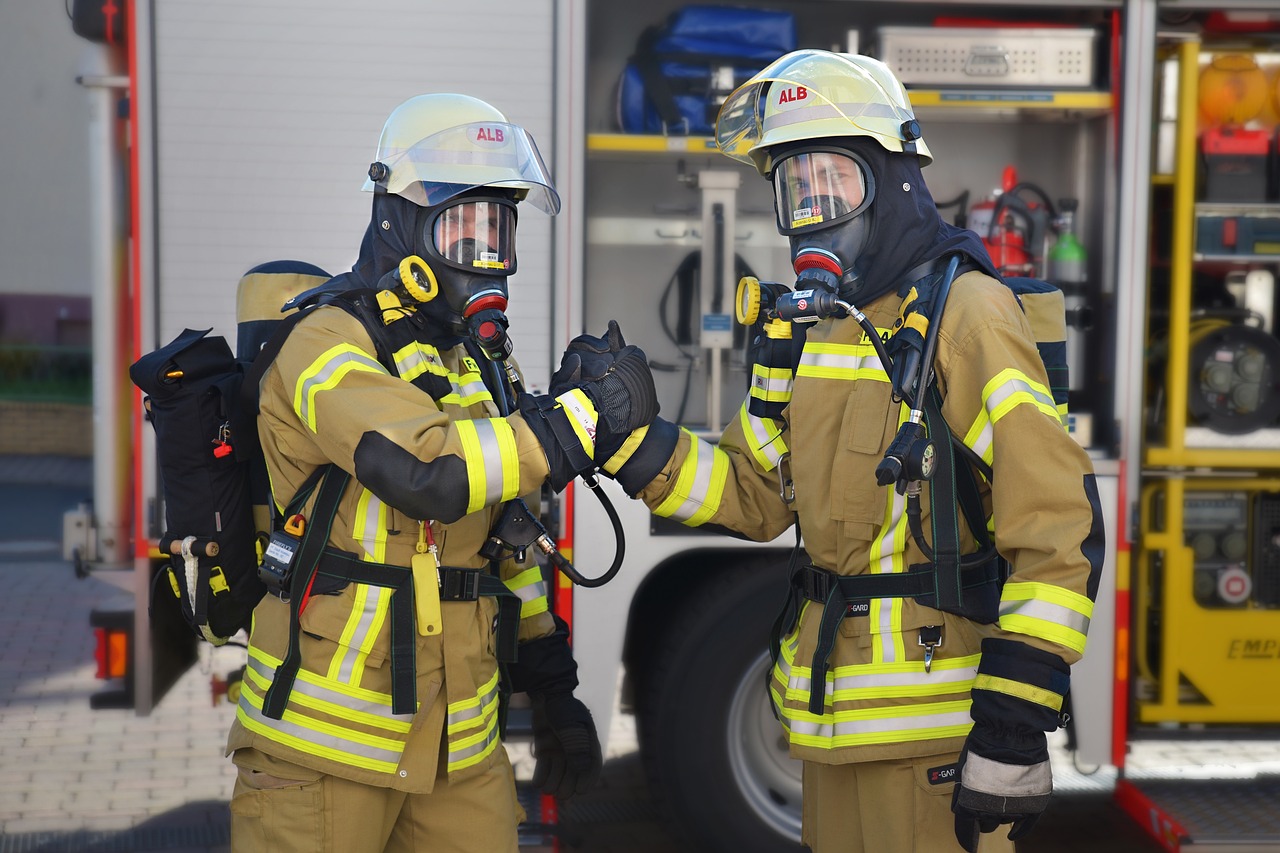
You play a crucial role in ensuring the readiness and effectiveness of your volunteer fire department. Implementing well-structured training programs is key to keeping your team prepared for any emergency situation. In this guide, we will discuss imperative steps and strategies to successfully implement training programs for volunteer fire departments. By following these recommendations, you can elevate the skills and knowledge of your members, ultimately improving the overall performance and safety of your department.
Key Takeaways:
- Customize training programs: Tailoring training programs to the unique needs and challenges of your volunteer fire department can enhance engagement and effectiveness.
- Utilize a variety of training methods: Incorporating hands-on drills, online courses, peer-to-peer learning, and guest speakers can provide a well-rounded training experience for volunteers.
- Encourage continuous learning: Foster a culture of ongoing education and skill development to ensure that volunteers are always prepared and equipped to handle emergencies effectively.
Assessing Training Needs
Identifying Skill Gaps and Requirements
Some of the key steps in assessing the training needs of volunteer fire departments involve identifying skill gaps and requirements within the department. This can be done through a thorough analysis of the current skills and knowledge of the volunteers, as well as an evaluation of the specific requirements for the department to effectively carry out its duties.
Involving Volunteers in the Needs Assessment
With the involvement of volunteers in the needs assessment process, a more comprehensive understanding of the training requirements can be achieved. Volunteers can provide valuable insights into their own skill levels, as well as identify areas where they feel additional training is needed. This active involvement ensures that the training program is tailored to meet the specific needs of the volunteers.
To ensure the needs assessment process is effective, it is important to provide clear guidelines and communication channels for volunteers to express their input. Regular feedback sessions and surveys can also be utilized to gather data on the training needs and preferences of volunteers.
Designing the Training Program
Establishing a Training Schedule
There’s a crucial step in designing a training program for volunteer fire departments, which is establishing a comprehensive training schedule. You need to consider the availability of your volunteer firefighters and create a schedule that accommodates their work and personal commitments. Consistency is key to ensure that training sessions are attended regularly, so make sure to set fixed training days and times.
Selecting Appropriate Training Methods
Establishing the right training methods is important to ensure that your volunteer firefighters receive the necessary skills and knowledge to perform their duties effectively. Methods such as hands-on practical sessions, classroom lectures, online courses, and simulation exercises can be utilized to provide a well-rounded training experience. It’s important to tailor the training methods to suit the learning preferences and needs of your volunteer firefighters.
Tips for Cost-Effective Program Design
- Utilize free resources such as online training materials, webinars, and resources provided by fire service organizations.
- Collaborate with neighboring fire departments to share training costs and resources.
- Consider seeking sponsorships from local businesses or community organizations to offset training expenses.
This will help in reducing the overall cost of training programs and ensure that the resources are utilized efficiently.
Implementing the Training
Factors for Successful Training Sessions
Unlike traditional training programs, implementing training for volunteer fire departments requires a tailored approach to ensure effectiveness. Factors such as flexibility in scheduling sessions, relevance of content to volunteers’ responsibilities, and engagement strategies are crucial for successful training sessions. Perceiving volunteers as valuable assets rather than mere participants can significantly enhance the outcomes of the training programs.
Utilizing Experienced Personnel and Resources
Training programs for volunteer fire departments can benefit greatly from utilizing experienced personnel and available resources. Leveraging the knowledge and skills of seasoned firefighters not only enhances the quality of training but also fosters a sense of camaraderie and mentorship among volunteers. By utilizing existing resources such as training facilities, equipment, and online platforms, departments can optimize their training programs efficiently.
How to Monitor Progress and Provide Feedback
Even with well-designed training sessions, monitoring progress and providing constructive feedback are vital for continuous improvement. Establishing clear performance indicators, conducting regular assessments, and soliciting feedback from volunteers can help identify areas for improvement and ensure that training objectives are being met. Sessions can be adjusted based on feedback to address specific needs or challenges faced by volunteers.
Maintaining and Updating the Training Program
Incorporating New Standards and Techniques
To ensure your volunteer fire department is always up to date with the latest practices, it is crucial to regularly review and incorporate new industry standards and techniques into your training program. This can involve attending seminars, workshops, and staying connected with fire industry experts to understand emerging trends and best practices.
Ensuring Ongoing Skill Development and Retention
One of the key challenges in volunteer fire departments is to ensure that members continue to develop their skills and retain the knowledge acquired through training programs. Regular training sessions, hands-on drills, and opportunities for additional certifications can help in keeping the team engaged and proficient in their roles.
Standards for ongoing skill development should be set within the department to establish clear expectations for members. Encouraging continuous learning and providing support for skill enhancement will not only benefit the individual firefighters but also contribute to the overall effectiveness of the department.
To wrap up
Drawing together an effective training program for volunteer fire departments involves careful planning, customization to fit the specific needs of the department, and regular assessment and updates to ensure ongoing effectiveness. By following the steps outlined in this guide, volunteer fire departments can create comprehensive training programs that equip their members with the skills and knowledge needed to respond to emergencies safely and efficiently. Continuous training is crucial to the success of any fire department, and by investing time and resources into training programs, volunteer fire departments can better serve their communities and keep both their members and the public safe.