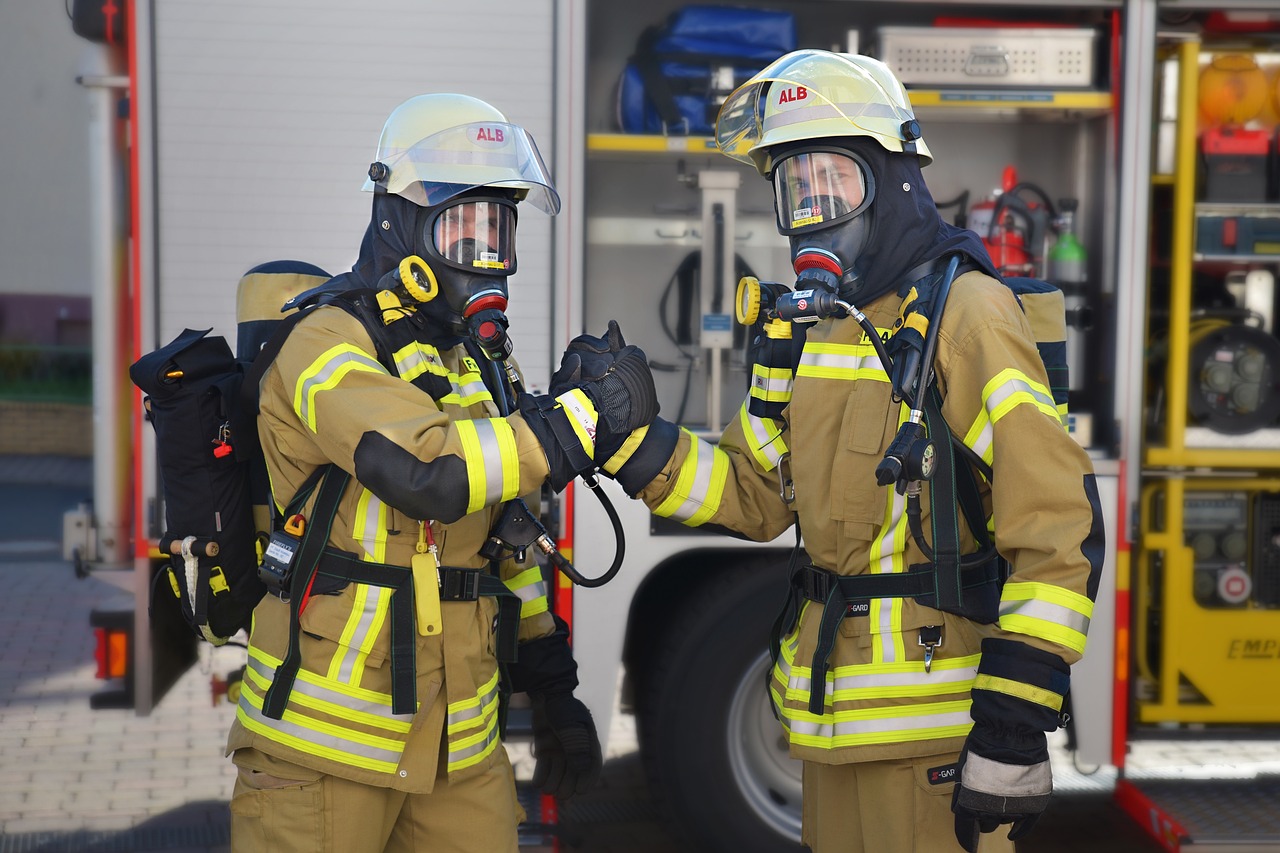
This comprehensive guide probes into the diverse training programs available to volunteer fire departments, focusing particularly on fire suppression methods. Volunteer firefighters play a crucial role in protecting lives and property, making it vital for them to receive proper training. From basic firefighting techniques to advanced strategies, this article will explore the different training programs that equip volunteer firefighters with the skills and knowledge needed to effectively combat fires. By understanding the various methods of fire suppression and the training programs that support them, volunteer fire departments can better serve their communities and enhance the safety of all involved.
Key Takeaways:
- Importance of Proper Training: Proper training programs are imperative in volunteer fire departments to ensure firefighters are equipped with the knowledge and skills to effectively handle fire suppression methods.
- Diverse Fire Suppression Methods: Training programs should cover a range of fire suppression methods including water-based, chemical-based, and specialized techniques to address different types of fires and scenarios.
- Regular Skills Maintenance: Continuous training and practice are crucial to ensure that firefighters maintain proficiency in fire suppression methods and stay prepared to respond to emergencies effectively.
Types of Fire Suppression Methods
Assuming you are training to be a volunteer firefighter, understanding the various fire suppression methods is crucial. This knowledge will help you effectively combat different types of fires and protect lives and property. Below is a breakdown of the key fire suppression methods commonly used by volunteer fire departments:
| Water-Based Suppression Systems | Chemical Suppression Agents |
| Foam-Based Firefighting Techniques | Inert Gases and Clean Agents |
Water-Based Suppression Systems
Systems that utilize water as the main suppression agent are the most traditional and widely used methods in firefighting. Water can cool down the fire, remove heat, and extinguish flames by suffocating the fire source. These systems can include fire hoses, fire hydrants, and sprinkler systems.
Chemical Suppression Agents
You will encounter various chemical suppression agents like dry chemicals, gaseous agents, and liquid agents during your training. These agents work by interrupting the chemical reaction of the fire triangle, either by removing heat or oxygen, thereby extinguishing the fire. They are particularly effective for Class B and C fires involving flammable liquids and electrical equipment.
Firefighting with chemical suppression agents requires proper understanding and training to ensure their safe and effective use. It is important to follow manufacturer guidelines and safety protocols to prevent any hazards during deployment.
Foam-Based Firefighting Techniques
One effective method for dealing with flammable liquid fires is the use of foam-based firefighting techniques. Foam creates a blanket over the fuel surface, suppressing the vapor and controlling the fire’s spread. Foam can be applied using foam generators, nozzles, or foam fire extinguishers. It is commonly used in industrial settings and airports where flammable liquids are present.
The selection of the correct type of foam and application method is crucial to ensure a successful firefighting operation. Training in foam-based techniques will equip you with the knowledge and skills needed to handle such scenarios effectively.
Inert Gases and Clean Agents
Firefighting with inert gases and clean agents is a crucial method for suppressing fires in enclosed spaces where water damage is a concern. These agents work by displacing oxygen or interfering with the chemical reaction of the fire. They are non-conductive and leave no residue, making them ideal for protecting sensitive equipment and valuables.
Suppression with inert gases and clean agents requires a specialized understanding of their properties and application methods. Proper training will ensure that you can deploy these agents safely and effectively in firefighting scenarios.
Step-by-Step Training Program Development
For volunteer fire departments, establishing a comprehensive training program is crucial to ensuring the readiness and effectiveness of the team. Developing a structured training program can make a significant difference in how well volunteers respond to emergencies and handle fire suppression tasks. Here is a detailed guide on how to create an effective training program for volunteer fire departments.
Assessing the Needs of the Department
Training
| Step | Description |
| 1 | Conduct a comprehensive assessment of the department’s current skills and knowledge levels. |
| 2 | Identify specific areas that need improvement or further training. |
| 3 | Set clear training objectives based on the identified needs of the department. |
Designing the Training Curriculum
Curriculum
Another critical component of developing a successful training program is designing a well-structured curriculum. This involves creating a detailed outline of the topics to be covered, the sequence of training modules, and the methods of instruction to be used. The curriculum should be tailored to address the specific needs of the volunteer fire department while also incorporating best practices in fire suppression and emergency response.
Implementing the Training Program
Curriculum
Training program implementation is a key phase that involves executing the designed curriculum through a combination of theoretical lessons, practical drills, and hands-on training exercises. It is important to ensure that all volunteers actively participate in the training sessions to enhance their skills and readiness for real-life emergency situations. Regular training sessions should be scheduled to reinforce learning and keep volunteers engaged.
Evaluation and Feedback
Implementing
| Step | Description |
| 1 | Regularly assess the effectiveness of the training program through performance evaluations and simulations. |
| 2 | Solicit feedback from volunteers to identify areas of improvement and refine the training curriculum. |
| 3 | Make necessary adjustments to the training program based on the feedback received to ensure continuous improvement. |
Tips for Effective Training Sessions
Your volunteer fire department’s training programs are crucial for maintaining readiness and effectiveness in emergency situations. Implementing these tips can help ensure that your training sessions are productive and beneficial for all members. Make the most of your training time by following these guidelines:
- Keep sessions engaging and interactive
- Set clear learning objectives
- Provide constructive feedback
- Rotate training topics regularly
Perceiving the importance of these tips can lead to improved skills, teamwork, and overall performance within your volunteer fire department.
Incorporating Practical Exercises
Little beats hands-on experience when it comes to training for fire suppression. Incorporating practical exercises into your training sessions allows firefighters to apply their knowledge in realistic scenarios. This not only enhances their skills but also boosts confidence and decision-making abilities in high-pressure situations.
Ensuring Safety During Training
Practical safety measures are paramount during training sessions to avoid accidents and injuries. During training, ensure that all participants wear appropriate protective gear and follow safety protocols. Regularly inspect training equipment to maintain its functionality and safety standards. Prioritize safety to guarantee a secure learning environment for all members of the volunteer fire department.
Utilizing Experienced Trainers
One of the most effective ways to enhance training sessions is by utilizing experienced trainers within your volunteer fire department. Experienced trainers bring in-depth knowledge, real-world insights, and practical skills to the training sessions. Their experience can offer valuable perspectives and mentorship to less experienced members, ultimately improving the overall quality of training programs.
Keeping Up with Technological Advancements
Effective fire suppression methods are continuously evolving with technological advancements. The integration of the latest tools and technologies into training programs can better prepare firefighters for modern challenges. By staying informed about new equipment, techniques, and innovations, your volunteer fire department can stay ahead of the curve and adapt to the changing landscape of fire suppression effectively.
Factors Influencing Fire Suppression Choices
Unlike other emergency situations, fighting fires requires specific tactics and strategies depending on various factors. Here are some key influences on the choices made by firefighters:
- Type and scale of fire
- Environmental considerations
- Availability of suppression agents
- Budgetary constraints
Knowing how these factors interplay can help firefighters make effective decisions when faced with a fire emergency.
Type and Scale of Fire
On any fire scene, the type and scale of the fire are critical factors that influence the choice of suppression methods. Different fires, such as wildfires, structural fires, or vehicle fires, require specific tactics and resources to be effectively controlled.
Environmental Considerations
For firefighters, environmental conditions like weather, terrain, and proximity to water sources can impact the choice of fire suppression methods. Wind direction, humidity levels, and the presence of flammable materials in the surroundings must all be taken into account to prevent fires from spreading uncontrollably.
Another important aspect to consider is the availability of suppression agents.
Availability of Suppression Agents
With a wide range of suppression agents available, such as water, foam, dry chemicals, and specialized gases, firefighters must assess which agent is most suitable for the specific type of fire they are dealing with. Availability and effectiveness of these agents play a crucial role in determining the success of the suppression efforts.
Scale of the fire also plays a major role in determining the suppression tactics to be employed.
Budgetary Constraints
An important factor influencing fire suppression choices in volunteer fire departments is budgetary constraints. Limited financial resources may restrict the types of equipment, training programs, and suppression agents that can be accessed. Fire departments must find a balance between effective suppression methods and cost-efficient solutions to ensure the safety of their communities.
Pros and Cons of Different Fire Suppression Methods
| Fire Suppression Method | Pros and Cons |
| Water | Pros: Effective on Class A fires, readily available. Cons: Not suitable for electrical fires, can cause water damage. |
| Carbon Dioxide | Pros: Effective on electrical fires, leaves no residue. Cons: Can be harmful to human health in enclosed spaces. |
| Chemical Agents | Pros: Effective on a variety of fire classes. Cons: Can be toxic to humans and harmful to the environment. |
| Foam | Pros: Effective on Class B fires, can create a barrier to prevent reignition. Cons: Requires special equipment for application. |
| Dry Chemical | Pros: Effective on Class A, B, and C fires. Cons: Can leave a residue that requires thorough cleanup. |
Effectiveness Against Various Fire Classes
Different fire suppression methods have varying effectiveness against different classes of fires. It is crucial for firefighters to be trained in selecting the appropriate method based on the type of fire they are dealing with to ensure successful extinguishment.
Impacts on the Environment and Health
Fire suppression methods can have significant impacts on the environment and human health. It is necessary to consider the long-term consequences of using certain agents that may be harmful to ecosystems or pose risks to firefighters and bystanders.
With fire suppression methods such as chemical agents, there is a growing concern about their impact on the environment and human health. These agents can release toxins into the air and soil, contaminating natural resources and posing health risks to wildlife and humans alike.
Costs and Maintenance Requirements
Different fire suppression methods vary in costs and maintenance requirements. Understanding these factors is crucial for fire departments to manage their budgets effectively and ensure that their equipment is always in optimal working condition.
Maintenance of fire suppression equipment is necessary to ensure its reliability during emergencies. Regular inspections, testing, and upkeep are necessary to identify and address any issues promptly, reducing the risk of equipment failure during a fire.
Training and Skill Levels Required
Environment, the training and skill levels required for operating different fire suppression methods can vary significantly. Firefighters need to undergo rigorous training programs to ensure they are proficient in using the equipment safely and effectively in high-pressure situations.
To effectively utilize fire suppression methods, firefighters must undergo specialized training to develop the necessary skills and knowledge to handle different scenarios. Training programs should be comprehensive and ongoing to keep firefighters prepared for any fire emergency.
Summing up
Following this comprehensive overview of fire suppression methods and training programs in volunteer fire departments, it is evident that having a well-trained and equipped force is crucial in effectively responding to emergencies. Volunteer firefighters play a vital role in protecting communities and saving lives, making it crucial to invest in their training and development. By implementing rigorous training programs that cover a wide range of fire suppression methods, volunteer fire departments can ensure that their members are prepared to handle any situation they may face. Continuous education and skill-building are key to enhancing the capabilities of volunteer firefighters and increasing their effectiveness in serving their communities.