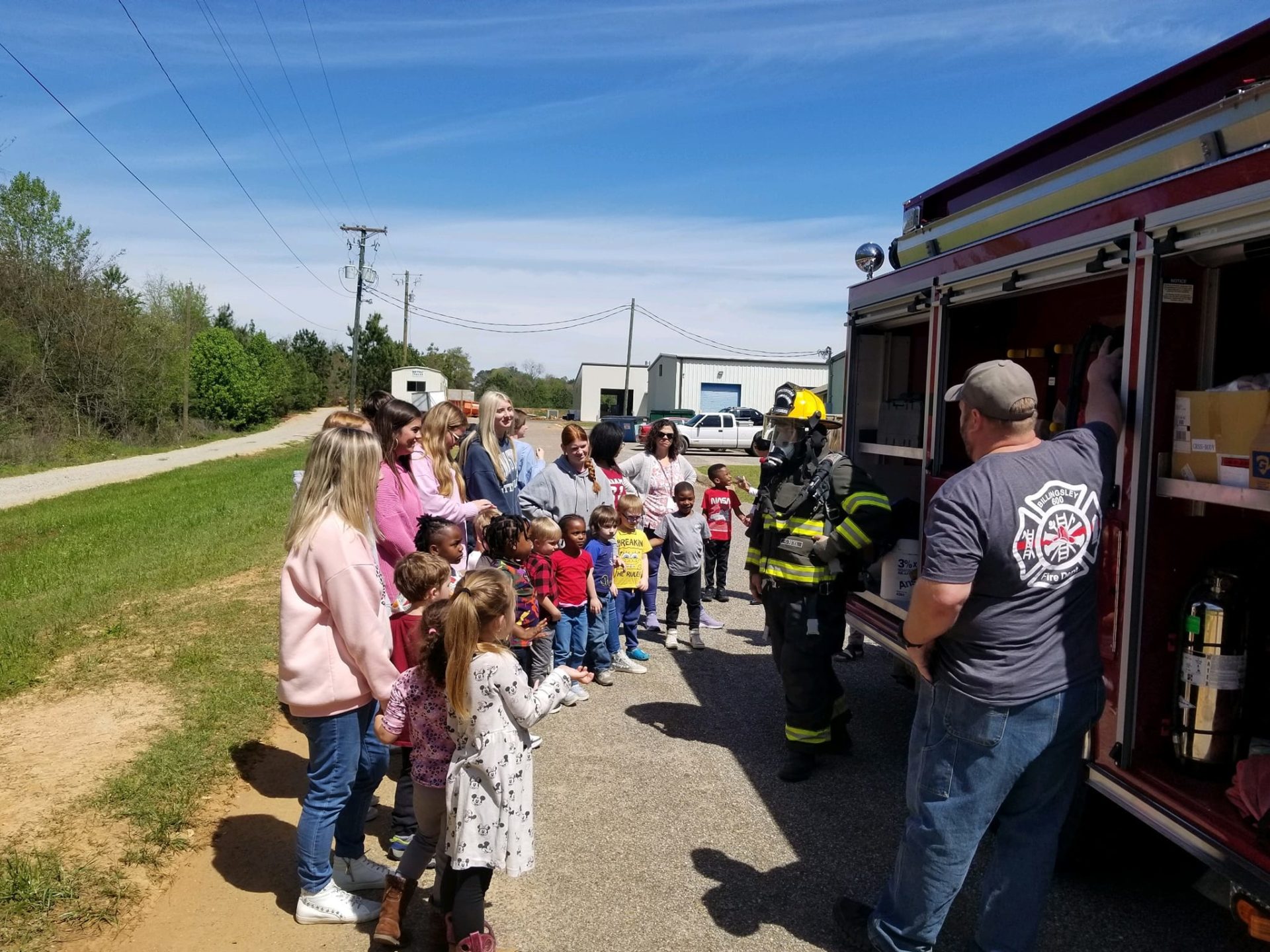
Tips for Implementing a Fire Prevention Week in Your Community are crucial for promoting fire safety awareness and preparedness. As a vital initiative to educate and protect community members from fire hazards, Fire Prevention Week serves as a pivotal opportunity to engage and empower individuals to take proactive steps to prevent fires in their homes and neighborhoods. In this blog post, we will provide you with crucial tips and strategies to successfully plan and execute a Fire Prevention Week campaign that will make a lasting impact on your community.
Planning Fire Prevention Week
Setting Objectives
To ensure a successful Fire Prevention Week in your community, it is crucial to set clear and achievable objectives. Start by defining what you hope to accomplish during this week-long event. Whether it is increasing awareness about fire safety, educating the community on fire prevention techniques, or promoting the importance of smoke alarms, having well-defined objectives will guide your planning and execution.
Building a Team and Assigning Roles
For a seamless Fire Prevention Week, assembling a dedicated team is crucial. Identify individuals in your community who are passionate about fire safety and willing to volunteer their time and skills. Assign specific roles and responsibilities to each team member to ensure all aspects of the event are covered, from organizing educational workshops to coordinating demonstrations and reaching out to local media for coverage.
Plus, consider involving local fire departments, schools, community centers, and businesses in your team to tap into their resources and networks, making your Fire Prevention Week even more impactful and wide-reaching.
Educating the Community
Developing Educational Programs
You can initiate fire safety education programs in schools, community centers, and local organizations to raise awareness. Collaborate with fire departments to develop engaging presentations and interactive workshops to educate community members on fire prevention and safety measures.
Leveraging Local Media and Social Networks
Networks play a crucial role in spreading the message of fire prevention. Collaborate with local media outlets to feature articles, interviews, and public service announcements about Fire Prevention Week. Utilize social media platforms to share fire safety tips, statistics, and success stories to reach a wider audience.
Social media campaigns can create buzz and engage the community in discussions about fire safety. Create shareable content, such as infographics and videos, to increase visibility and encourage community members to participate in fire prevention activities.
Organizing Events and Activities
Interactive Fire Safety Workshops
For interactive fire safety workshops, consider hosting events that engage community members of all ages. From basic fire safety tips for children to hands-on fire extinguisher training for adults, these workshops can educate participants on fire prevention and emergency response strategies. Incorporating interactive elements such as role-playing scenarios and quizzes can make the workshops both educational and entertaining.
Live Fire Demonstrations and Drills
For live fire demonstrations and drills, ensure that safety protocols are strictly followed to prevent accidents. Coordinate with local fire departments to conduct realistic drills that simulate various fire scenarios, such as home fires or workplace emergencies. These demonstrations give community members a firsthand look at fire behavior and the importance of quick and decisive action in an emergency.
Demonstrations should be supervised by trained professionals, and participants should be briefed on safety procedures before the drills begin. This hands-on experience can help individuals better understand the gravity of fire hazards and the importance of having an evacuation plan in place.
Engaging Fire Services and Local Government
Involving Firefighters and Fire Marshals
All fire prevention activities heavily rely on the expertise and participation of firefighters and fire marshals. These professionals are the frontline defenders against fire hazards and can provide invaluable insights into the most effective prevention strategies for your community. By involving them in the planning and execution of Fire Prevention Week events, you can ensure that your initiatives are both relevant and impactful.
Securing Support and Resources from Local Authorities
Local government support is crucial for the success of any fire prevention campaign. By securing backing from local authorities such as city councils, mayors, or town administrators, you can access resources like funding, permits, and promotional avenues. It is vital to establish strong partnerships with these entities to ensure that your Fire Prevention Week initiatives receive the necessary support to reach a wide audience and make a lasting impact.
Securing buy-in from local government officials can also help legitimize your efforts and garner community trust in the importance of fire prevention. Establishing clear lines of communication and demonstrating the positive outcomes of your initiatives can further solidify these partnerships and pave the way for future collaborations.
To wrap up
Drawing together all the tips mentioned above can help you plan and execute a successful Fire Prevention Week in your community. By creating a strategic plan, partnering with local fire departments, organizing engaging events, spreading awareness through social media, and involving the community, you can make a significant impact in promoting fire safety. Recall, awareness and preparation are key in preventing fires and ensuring the safety of your community members. By taking proactive measures and working together, you can make a real difference in promoting fire prevention and saving lives.