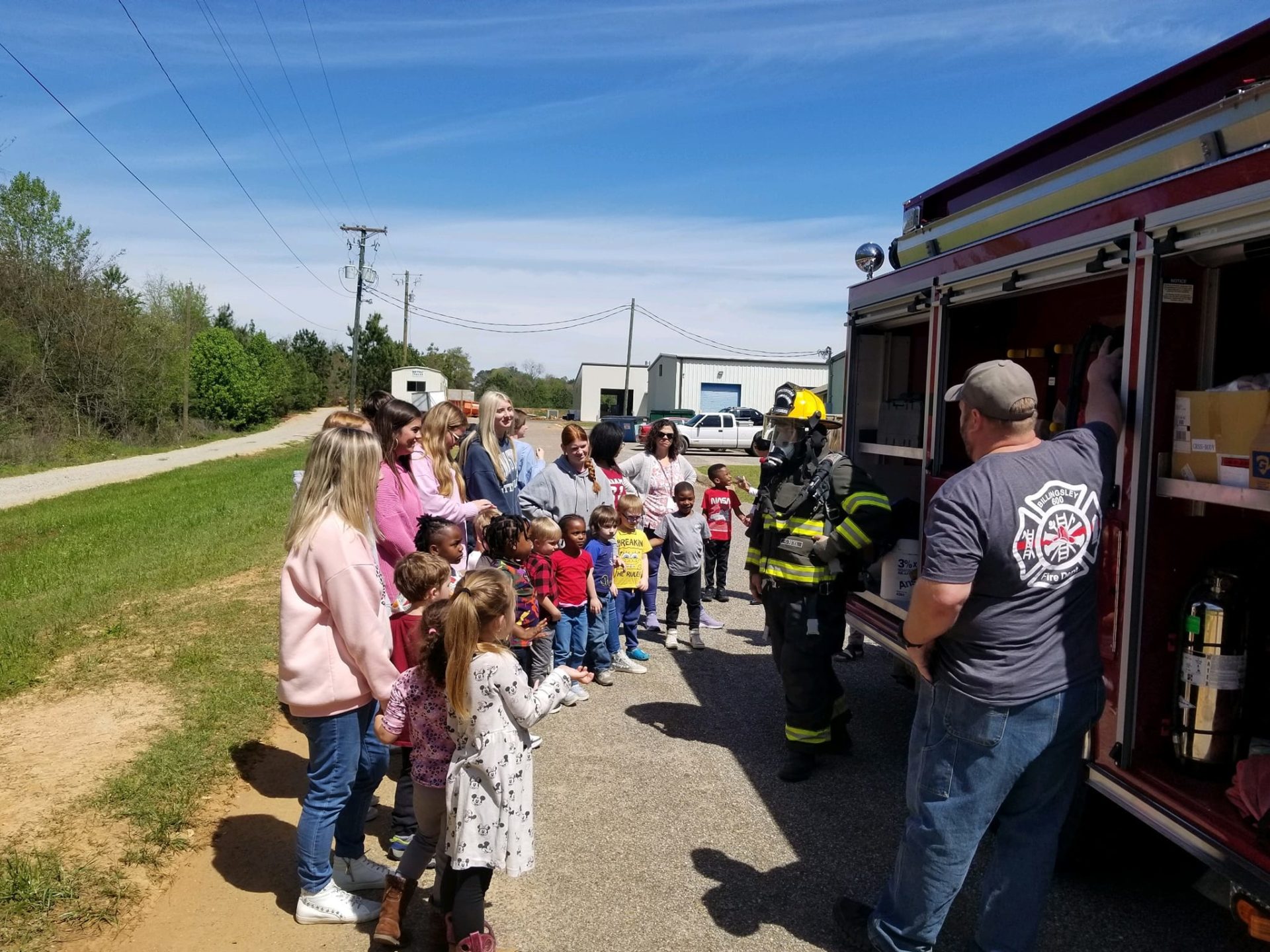
You have the opportunity to enhance your volunteer fire department’s visibility by collaborating with local community centers and clubs. This strategy not only allows you to tap into a wider audience but also fosters relationships with those who share a common interest in public safety and community engagement. By partnering with these organizations, you can create informative workshops, host events, and provide educational resources, all of which can help attract more volunteers and support for your fire department’s mission.
Understanding the Importance of Community Engagement
The success of your volunteer fire department greatly depends on how well you engage with the community. By fostering relationships and actively participating in local events, you can boost your department’s visibility and reinforce the importance of fire safety. Engaging with community centers and clubs can help you connect with diverse audiences, ensuring that your department is not only known but also respected and valued within the community.
Building Trust and Relationships
Understanding the importance of trust in your community is fundamental for the effectiveness of your volunteer fire department. When you collaborate with local centers and clubs, you create opportunities to build personal connections with community members. These bonds foster a sense of reliability, making residents more likely to engage with your department and support its initiatives.
Enhancing Visibility and Awareness
Above all, enhancing your department’s visibility within the community is vital for attracting potential volunteers and resources. By partnering with local organizations, you can showcase your services and educate citizens on fire safety measures. This visibility can motivate an increased interest in your volunteer opportunities.
Considering the power of collaboration, partnering with community centers or clubs can significantly enhance your department’s presence. By organizing joint events or informational sessions, you can promote fire safety while introducing your department to a broader audience. This proactive approach not only creates awareness but also encourages community members to take an active role in supporting and joining your volunteer fire department.
Identifying Relevant Community Centers and Clubs
Some of the most effective partnerships for your volunteer fire department come from collaborating with community centers and clubs that align with your mission. To successfully engage these organizations, you need to identify those that serve similar populations or interests. Consider local organizations that host events, provide resources for education, or foster community involvement; these are ideal candidates for collaboration. By understanding their goals and outreach efforts, you can create synergies that promote fire safety and awareness within your community.
Local Interests and Activities
Local clubs and community centers often focus on activities that reflect the interests of residents. Think of sports leagues, arts organizations, or youth programs; these groups frequently attract diverse audiences. By involving your volunteer fire department in local events or becoming a staple at their activities, you can share your mission and educate attendees about fire safety in an engaging manner.
Demographic Analysis
Any effective outreach strategy involves understanding the demographic make-up of your community. Analyze the age, income levels, and cultural diversity of the population served by various community centers and clubs. This analysis will help you tailor your messaging and approaches, ensuring that your initiatives resonate with the specific needs and preferences of those groups.
Relevant demographic data allows you to identify which community centers and clubs are likely to connect with your audience. For instance, if a significant portion of your community consists of young families, partnering with local youth groups or parent associations can be beneficial. Similarly, if there’s a large senior population, collaborating with centers focused on their engagement may yield fruitful results. Understanding these demographics is the first step toward forging productive relationships and effectively communicating your volunteer fire department’s mission.
Strategies for Effective Collaboration
Any successful collaboration begins with clear communication and a shared vision. Establishing mutual goals with community centers or clubs not only fosters a strong partnership but also empowers you to leverage each other’s strengths. By discussing expectations and planning strategies together, you can enhance outreach and create more impactful initiatives for your volunteer fire department.
Co-hosting Events
Among the many ways to reach a broader audience, co-hosting events with local community centers or clubs can be highly effective. By combining your resources and networks, you create opportunities for increased visibility and participation. These events can range from open houses to community safety fairs, allowing you to share your mission while engaging directly with the public.
Creating Educational Programs
An excellent way to inform the community about fire safety and the role of your volunteer fire department is by developing educational programs. Tailoring your sessions to the interests and needs of the community ensures relevance and engagement.
Educational programs can include workshops, demonstrations, and interactive sessions that cover topics such as fire prevention, emergency preparedness, and the importance of volunteerism. By partnering with local schools, clubs, or organizations, you can reach various demographics and encourage participation. This not only raises awareness about the services your department provides but also fosters a sense of community involvement and responsibility towards safety.
Utilizing Social Media and Online Platforms
Now, you have an opportunity to leverage social media and online platforms to amplify your outreach efforts. By creating engaging content that highlights the mission and values of your volunteer fire department, you can connect with a wider audience. Utilize platforms like Facebook, Instagram, and Twitter to share timely updates, appealing visuals, and community-oriented messages that resonate with both current and potential volunteers.
Sharing Success Stories
Social media is an excellent venue for sharing your volunteer fire department’s success stories. Highlighting the achievements of your team fosters trust and showcases the positive impact you make in the community, encouraging others to get involved.
Promoting Events and Initiatives
Across all platforms, it is crucial to promote your events and initiatives to engage the community. Sharing upcoming training sessions, fundraising events, and fire safety workshops can significantly increase participation and awareness of your department’s efforts.
Success is measured not only by how many people show up to an event, but also by the buzz you generate around it. By creating event pages, using eye-catching visuals, and sharing reminders leading up to the event, you can keep your audience informed and excited. Engage followers with interactive posts and stories, encouraging them to share the information with their networks. This approach can help foster a sense of community and support for your volunteer fire department.
Measuring the Impact of Collaborative Efforts
All organizations benefit from evaluating their collaborative initiatives. By measuring the impact of your partnerships with community centers and clubs, you can identify areas of success and improvement. Utilize data to track engagement levels, volunteer recruitment rates, and community awareness. These insights will not only validate your efforts but also help you refine strategies for future collaborations, ensuring your volunteer fire department remains effective and connected with the community.
Setting Key Performance Indicators (KPIs)
Impact is best understood through clear metrics. By establishing Key Performance Indicators (KPIs), you create measurable goals that allow you to assess the success of your collaborative efforts. Select KPIs that align with your objectives, such as the number of new volunteers recruited, community event attendance, and local awareness of fire safety programs. Regularly monitoring these indicators will empower you to adjust strategies as needed, enhancing the overall effectiveness of your outreach efforts.
Collecting Feedback and Testimonials
Testimonials from community members and collaborators can significantly enhance your understanding of your impact. Engaging with your community through surveys or informal conversations will provide you with valuable insights into their perceptions of your efforts. This feedback not only illustrates the effectiveness of your collaborations but also serves as powerful social proof, showcasing how your volunteer fire department positively influences lives.
Collaborative initiatives thrive on community input. By actively seeking feedback and testimonials, you not only gauge the effectiveness of your partnerships but also foster deeper connections with those you serve. Use that information to highlight successes on social media or your department’s website. Sharing these stories strengthens community ties and promotes a culture of mutual support, encouraging more residents to engage with your volunteer fire department.
Overcoming Challenges in Collaboration
Not only do you face logistical issues when collaborating with community centers or clubs, but you may also encounter varying expectations and objectives. Establishing a shared vision is crucial to avoid conflicts that can arise from differing priorities. Open communication and flexibility are key to navigating these challenges, allowing you to work towards common goals that benefit both parties and strengthen your outreach efforts.
Addressing Resource Limitations
Behind every successful collaboration are underlying resource limitations that can hinder progress. These may include budget constraints, time restrictions, or insufficient manpower. By assessing your available resources and discussing potential contributions with partnering organizations, you can align your efforts more effectively and identify innovative solutions to optimize what you have.
Navigating Organizational Differences
About every community center or club operates under unique philosophies and protocols. These differences can impact collaboration dynamics and may lead to misunderstandings if not addressed. It is important to recognize these distinctions and be prepared to compromise. Establishing mutual respect and understanding the goals of each organization can foster a more productive partnership.
It’s crucial to prioritize open dialogue with your collaboration partners to effectively navigate organizational differences. Discussing each organization’s mission, culture, and operational norms can help you identify commonalities and areas for compromise. By fostering an environment where both parties feel heard and respected, you build a foundation of trust that strengthens collaboration. Encouraging regular feedback and adapting to one another’s practices can significantly enhance the effectiveness of your partnership.
To wrap up
As a reminder, collaborating with community centers or clubs is a strategic way for you to enhance the visibility and reach of your volunteer fire department. By establishing partnerships, you can tap into diverse networks and engage a wider audience in your initiatives, events, and recruitment efforts. Consider leveraging these connections to promote safety education, emergency preparedness, and volunteer opportunities, making your department an integral part of the community. This engagement not only helps build trust but also encourages more community members to support and participate in your important mission.