
Over time, establishing a robust public relations (PR) strategy can greatly enhance the visibility and reputation of your volunteer fire department. By effectively communicating your mission, engaging with the community, and showcasing the heroic efforts of your volunteers, you can build trust and support. This guide will help you develop a PR plan that not only elevates your department’s profile but also fosters a positive image, ensuring that your important messages reach the audience that matters most.
Key Takeaways:
- Define clear goals and objectives for the PR strategy.
- Identify target audiences and create tailored messages for each group.
- Utilize multiple communication channels, including social media, newsletters, and community events.
- Engage with the community through outreach programs and collaborations.
- Evaluate the effectiveness of the PR efforts regularly and adjust strategies as needed.
Understanding the Importance of PR for Volunteer Fire Departments
Effective public relations (PR) is pivotal for volunteer fire departments as it shapes your community’s perception, fosters trust, and promotes engagement. By proactively managing communication, you can highlight the value of your services, attract volunteers, and secure funding. A well-crafted PR strategy amplifies your voice and shows the critical role your department plays in ensuring safety and preparedness in the community.
Benefits of a Strong PR Strategy
Implementing a solid PR strategy leads to increased visibility, stronger community relationships, and enhanced credibility for your fire department. It aids in volunteer recruitment, helps raise funds, and positions your team as a reliable resource during emergencies. By effectively sharing your mission and successes, you create an informed public that values your presence.
Key Factors Affecting Public Perception
Multiple elements can shape how your community views your department. Factors like transparency, timely communication, and community engagement play significant roles in public perception. Regularly updating citizens on your initiatives, maintaining open channels for feedback, and participating in local events fosters a positive image. Additionally, media coverage and partnerships with community organizations can bolster trust and admiration for your efforts. Perceiving these as vital components helps in continuously strengthening your department’s reputation.
- Transparency
- Timely communication
- Community engagement
- Media coverage
- Partnerships
Understanding the local context and adjusting your messaging is important to resonate with the community. Conveying your department’s achievements and knowing how it impacts residents allows for dynamic interaction. Participation in town meetings and local events can amplify your presence and demonstrate your commitment. This fosters goodwill and reflects your dedication to safety and preparedness, ultimately shaping a favorable view. Perceiving these interactions helps build a solid foundation for lasting community support.
- Local context
- Dynamic interaction
- Goodwill
- Commitment to safety
- Community support
How-to Develop Your PR Strategy
Identifying Target Audiences
To build an effective PR strategy, you must first identify your target audiences. These may include local residents, potential volunteers, local businesses, and community leaders. Understanding their interests and concerns enables you to tailor your messaging effectively, ensuring that your initiatives resonate with those you aim to reach. Conduct surveys or community meetings to gather insights and refine your outreach efforts.
Crafting Your Message
Your message should be clear, engaging, and tailored to your target audiences’ values. Focus on highlighting the importance of your volunteer efforts, the skills your firefighters possess, and the impact they have on community safety. Use real stories and testimonials from community members to convey authenticity and establish a strong emotional connection.
When crafting your message, utilize data to underpin your narrative, such as statistics on fire incidents in your area or the percentage of community volunteers that impact emergency response times positively. A strong message should depict the benefits your department provides, like enhancing community safety and readiness. Make your communication concise and actionable; encourage your audience to join, support, or spread the word about your initiatives, fostering a sense of community ownership and involvement.
Tips for Effective Communication
Clear and consistent communication is vital for fostering trust in your volunteer fire department. Utilize multiple platforms and methods to reach various audiences effectively. Implement the following strategies:
- Maintain transparency about operations and decisions.
- Utilize storytelling to share success stories and experiences.
- Encourage feedback from community members to improve engagement.
Any proactive approach can significantly enhance your department’s public perception.
Utilizing Social Media Platforms
Harnessing social media platforms can amplify your message and reach a broader audience. Regularly post updates about your fire department’s activities, safety tips, and community events. Use eye-catching visuals and engaging captions to attract attention. Platforms like Facebook, Twitter, and Instagram allow you to interact directly with your community, building a strong online presence.
Engaging with the Community
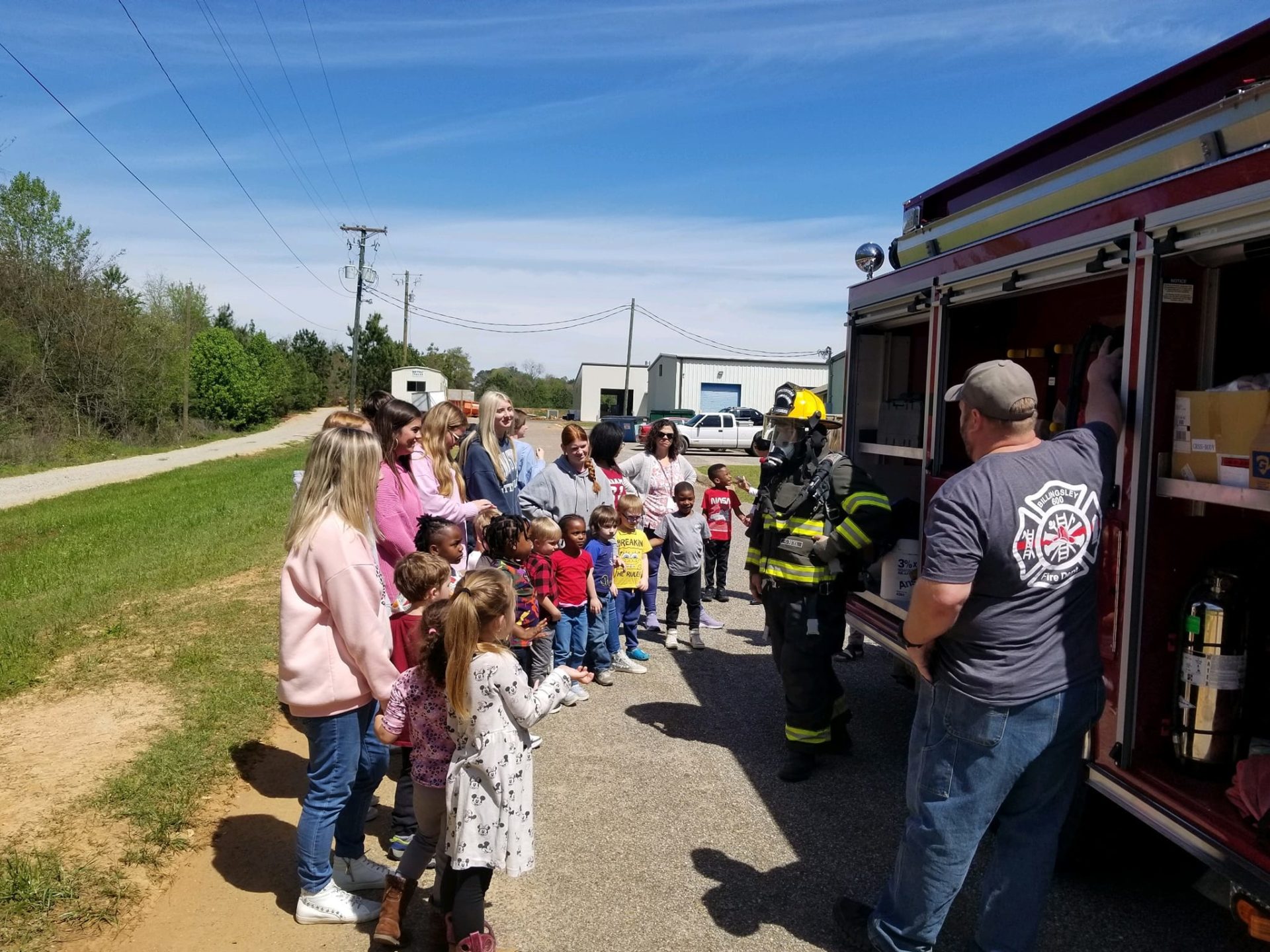
Engagement with the community is vital for establishing a solid relationship between your volunteer fire department and local residents. Organize events like open houses, educational workshops, and fire safety demonstrations to create meaningful connections. Encourage participation in community service projects that reflect your commitment to public safety and serve the needs of your citizens.
Building relationships with local businesses and schools can further enhance your outreach efforts. Partnering for events, safety drills, or fire safety education programs fosters positive interactions. By actively participating in community events, such as festivals or parades, you increase your visibility and strengthen community ties. Collaborate with other organizations, which helps showcase your volunteer fire department’s commitment to service and safety. Any ongoing engagement initiatives will promote trust and a better understanding of your department’s vital role in community safety.
Building Relationships with Local Media
Establishing strong connections with local media is vital for your volunteer fire department’s PR strategy. You should strive to create rapport with reporters and editors by being accessible and responsive. Frequent communication not only keeps your department in the spotlight but also fosters trust. Providing timely information during emergencies and insightful interviews can enhance your department’s reputation in the community.
Crafting Press Releases
When crafting press releases, focus on clarity and impact. Your press release should convey important information in a straightforward manner, highlighting key events or initiatives your department is undertaking. Use compelling quotes and stories to engage interest, and ensure it is formatted properly for easy publication. Distributing it to the right media contacts will maximize your outreach.
Hosting Media Events
Hosting media events can be an effective way to showcase your department’s mission and activities. Invite journalists to experience your work firsthand, whether through live demonstrations, training sessions, or community events. It creates a personal connection that aids in garnering favorable coverage, especially when you showcase the impact of your services on the community.
During media events, emphasize your department’s dedication to public safety through engaging activities, such as fire prevention workshops or equipment demonstrations. Offer tours of your fire station and introduce key team members, including those who have impactful stories. The goal is to foster a conversational atmosphere, allowing local media to ask questions and gain insights. This personal engagement leads to better-informed coverage and long-lasting relationships with journalists who can accurately convey your department’s message to the public.
Measuring PR Success
Measuring the success of your PR strategy is crucial for understanding its effectiveness. By evaluating your outreach efforts, engagement metrics, and community perception, you can gain insights into what resonates with your audience. Implementing systematic measurement techniques not only enhances accountability but also guides future initiatives. Assess key metrics regularly to ensure that you’re reaching your goals and adapting your strategy accordingly.
Setting Key Performance Indicators
Establishing Key Performance Indicators (KPIs) helps you quantify your PR success. Consider metrics such as the number of volunteer applications, social media engagement rates, and community event attendance. Set specific, measurable goals-like a 20% increase in applications over six months-to provide clear benchmarks for evaluation. This clarity enables you to track progress and make informed decisions for your PR efforts.
Analyzing Feedback and Adjusting Strategies
Regularly analyzing feedback from the community and your volunteer base allows you to adjust your PR strategy effectively. Utilize surveys, social media polls, and informal discussions to gather insights on public perception and engagement. This information helps you identify the strengths and weaknesses of your communication efforts, enabling you to pivot or enhance tactics that are underperforming.
By analyzing feedback consistently, you create an adaptive PR strategy that evolves with your community’s needs and expectations. Consider implementing quarterly reviews to assess ongoing feedback, evaluate the impact of your recent campaigns, and adjust future initiatives accordingly. Incorporate feedback loops where volunteers can contribute their experiences and suggestions, which fosters a stronger connection with your audience. This responsiveness not only improves your PR outcomes but also builds trust and loyalty within your community.
Common Challenges and How to Overcome Them
Handling public relations in a volunteer fire department can be challenging due to limited resources and community misconceptions. To effectively navigate these obstacles, you should identify potential hurdles early and develop strategic solutions. Emphasizing collaboration with local organizations and engaging community members can help build trust, allowing for smoother communication and stronger relationships during both routine operations and emergencies.
Managing Crisis Communication
In crisis situations, your response must be timely and transparent to maintain public trust. Establish a crisis communication plan that outlines key messaging, designated spokespersons, and communication channels. Regular training with your team will prepare everyone for rapid response, ensuring consistent messaging during emergencies.
Addressing Public Misconceptions
To effectively counter public misconceptions, proactive education is vital. Engage with your community through workshops or informational campaigns to correct inaccuracies about your department’s capabilities and response times. Utilize social media and local events to share success stories and highlight the dedicated work of volunteers, fostering a positive image.
Public misconceptions can lead to anxiety and distrust, and these misrepresentations often stem from a lack of understanding about your operations. For instance, if residents believe that volunteer firefighters lack training compared to career departments, you can dispel this myth by showcasing the rigorous training and certifications your team undergoes. Sharing testimonials from community leaders or actual residents during events can further reinforce the dedication and professionalism of your volunteers, turning skepticism into support.
Summing up
Drawing together the elements of an effective PR strategy for your volunteer fire department, you should focus on clear messaging, community engagement, and consistent outreach. By actively promoting your department’s initiatives and successes, harnessing social media, and building relationships with local media, you can enhance your visibility and strengthen community trust. Additionally, involving your volunteers in these efforts can amplify your message and showcase the dedication of your team, ultimately fostering a positive relationship with the community you serve.