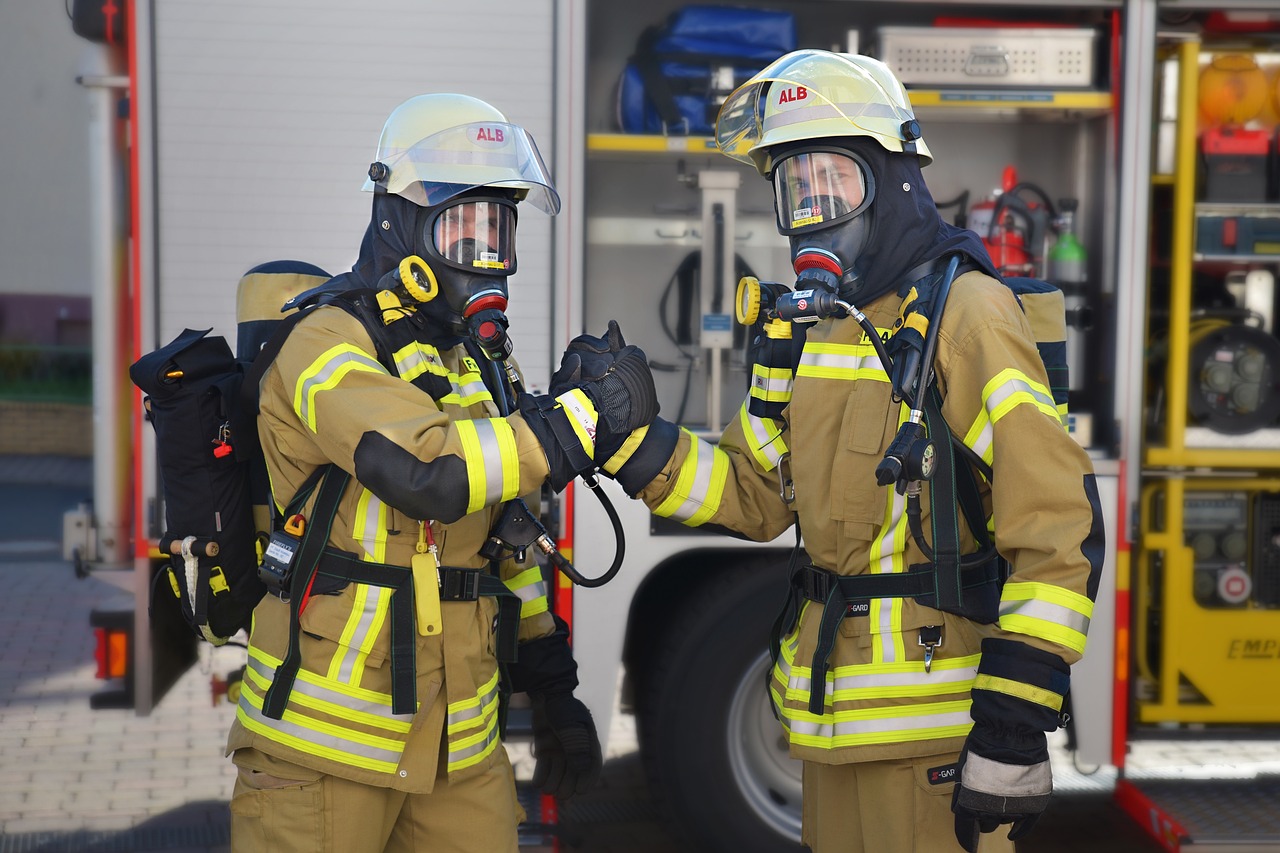
Most volunteer fire departments rely on the Incident Command System (ICS) to effectively manage emergencies. To ensure that firefighters are well-prepared and proficient in ICS protocols, enhancing training programs is crucial. This blog post will outline key strategies and best practices to optimize Incident Command System training in the volunteer fire department, equipping personnel with the skills and knowledge needed to respond efficiently to various incidents and emergencies.
Key Takeaways:
- Regular Training Updates: It is crucial to provide regular training updates to ensure that volunteer firefighters are knowledgeable about the Incident Command System (ICS).
- Hands-On Simulations: Incorporating hands-on simulations into training can help volunteers understand how to effectively apply ICS principles in real-life emergency situations.
- Collaborative Exercises: Conducting collaborative exercises with other emergency response agencies can help volunteer firefighters improve their coordination and communication skills when implementing ICS.
Enhancing ICS Training Infrastructure
Assessing Current Training Programs
Training is critical in the volunteer fire department to ensure that members are adequately prepared to handle emergencies. Assessing the current training programs is crucial to identify areas for improvement and to tailor training to meet the specific needs of the department. This assessment should include an evaluation of the content, delivery methods, frequency of training, and the effectiveness of training sessions.
Integrating Modern Technology
With advancements in technology, it is imperative to integrate modern tools and resources into ICS training in the volunteer fire department. From virtual reality simulations to online training platforms, there are numerous options available to enhance the learning experience for members. By incorporating modern technology, departments can provide more engaging and interactive training that simulates real-life emergency scenarios.
Integrating modern technology also allows for flexibility in training schedules, making it easier for volunteers to access training materials at their convenience. This approach can help increase retention rates and improve overall competency levels among members.
Implementing Effective ICS Training Techniques
Scenario-Based Training Tips
It is crucial to incorporate scenario-based training to enhance incident command system (ICS) training in the volunteer fire department. By creating realistic situations that firefighters may face in the field, such as structure fires, hazardous material incidents, or mass casualty events, trainees can practice their response skills in a controlled environment. This type of training allows individuals to apply their knowledge and skills in a practical setting, leading to better retention and application of ICS principles in real-life emergencies. Perceiving the importance of hands-on experience, scenario-based training is an effective tool in preparing volunteer firefighters for various emergency situations.
Factors Influencing Adult Learning in Volunteer Firefighters
For volunteer firefighters, several factors influence adult learning in the context of ICS training. These factors include prior experience in emergency response, individual motivation levels, and preferred learning styles. Training programs need to consider these factors to tailor their approach and materials effectively. The incorporation of diverse teaching methods, such as hands-on training, visual aids, and interactive discussions, can accommodate different learning preferences and maximize knowledge retention. The adaptability of training content to suit adult learners is crucial in ensuring the successful assimilation of ICS principles. The recognition and consideration of these factors can enhance the overall learning experience for volunteer firefighters.
- Prior experience and motivation levels play a significant role in adult learning.
- Adapting teaching methods to different learning styles is crucial for effective training.
- Recognition and consideration of individual factors can optimize learning outcomes in ICS training.
Maximizing Engagement and Retention
Motivational Strategies for Volunteer Firefighters
Volunteer firefighters are the backbone of any fire department, and keeping them motivated is crucial for the success of the team. Recognizing their dedication and commitment publicly, providing professional development opportunities, and creating a sense of community and camaraderie within the department are effective motivational strategies. Encouraging open communication and involving volunteers in decision-making processes can also boost engagement and morale.
Tracking Progress and Providing Feedback
With the advancement of technology, tracking the progress of volunteer firefighters has become more accessible. Implementing software that allows volunteers to log their training hours, certifications, and skills acquired can provide a clear overview of each member’s development. Regular feedback sessions with supervisors or training officers can help identify areas for improvement and recognize achievements, keeping volunteers motivated to continue their training.
Retention of volunteer firefighters is necessary for maintaining a strong and efficient team. By implementing motivational strategies, tracking progress, and providing consistent feedback, fire departments can increase engagement levels and ultimately retain dedicated volunteers who are necessary for the community’s safety.
Developing a Culture of Continuous Improvement
Encouraging Ownership and Accountability
All members of the volunteer fire department should be encouraged to take ownership of their roles within the Incident Command System (ICS) and be held accountable for their actions. This can be achieved through regular evaluations, feedback sessions, and setting clear expectations for performance. By fostering a culture where every individual is responsible for their part in the firefighting operation, the team can work together more effectively and efficiently.
Updating and Evolving ICS Training Curriculum
If the volunteer fire department aims to enhance its ICS training, it must be committed to continuously updating and evolving its curriculum. This involves staying current with industry standards, incorporating feedback from past incidents, and integrating new technologies and best practices. By regularly reassessing and improving the training materials, the department can ensure that its members are well-prepared to handle any emergency situation that may arise.
The effectiveness of an ICS training program is directly linked to the relevance and quality of the curriculum. Regular audits and feedback from both internal and external sources should be used to drive continuous improvement in the training materials. By staying proactive and adaptive, the volunteer fire department can guarantee that its members are equipped with the most up-to-date knowledge and skills needed to respond to emergencies efficiently.
Conclusion
With this in mind, enhancing Incident Command System (ICS) training in the volunteer fire department is crucial for ensuring effective emergency response and firefighter safety. Implementing regular ICS training sessions, conducting realistic drills, utilizing technological tools for simulation exercises, and fostering a culture of continuous learning are key strategies to improve ICS proficiency among volunteer firefighters. By investing in comprehensive training programs and providing ongoing support, volunteer fire departments can better prepare their members to handle emergency situations efficiently and collaboratively.