Most crucial in ensuring the safety of our students and staff is implementing effective fire prevention measures in schools. Organizing a Fire Prevention Week campaign is a proactive step in educating and raising awareness about fire safety. This blog will outline necessary steps to successfully launch a Fire Prevention Week campaign in schools, empowering educators and students to prioritize fire safety and emergency preparedness. By following these steps, schools can create a safer environment for everyone on campus.
Planning the Campaign
Form a Committee
Planning the Fire Prevention Week campaign in schools starts with forming a dedicated committee. This committee should consist of teachers, school administrators, students, and local fire department representatives. Each member should bring unique skills and knowledge to the table, ensuring a well-rounded campaign that resonates with the school community.
Setting a Date and Schedule
To effectively launch a Fire Prevention Week campaign in schools, it is crucial to set a date and schedule that aligns with the school calendar. Consider factors such as school events, holidays, and exam periods when selecting the optimal timeframe for the campaign. This will help ensure maximum participation and engagement from both students and staff.
Plus, when setting the date for the campaign, it is imperative to plan ahead and secure any necessary approvals or permits for fire safety demonstrations, drills, or guest speakers. This proactive approach will prevent last-minute hiccups and allow for a seamless execution of the campaign.
Educational Materials and Resources
Developing Informative Content
Developing informative content is crucial for creating educational materials that effectively convey fire prevention strategies to students. Focus on presenting information in a clear, concise, and engaging manner to capture students’ attention. Consider including statistics, real-life examples, and easy-to-follow steps that students can take to prevent fires in their homes and schools.
Utilizing Multimedia and Interactive Activities
With today’s technology, there are numerous ways to engage students in fire prevention education. Utilize multimedia resources such as videos, interactive games, and animations to make the learning experience more interactive and memorable. Consider organizing hands-on activities like fire drills, escape plan simulations, or role-playing scenarios to reinforce key fire safety concepts.
Informative materials and interactive activities play a vital role in educating students about fire prevention. By combining informative content with multimedia resources and interactive activities, you can create a comprehensive educational campaign that empowers students to take proactive measures to prevent fires and stay safe.
Engaging the Community
Involving Local Fire Departments
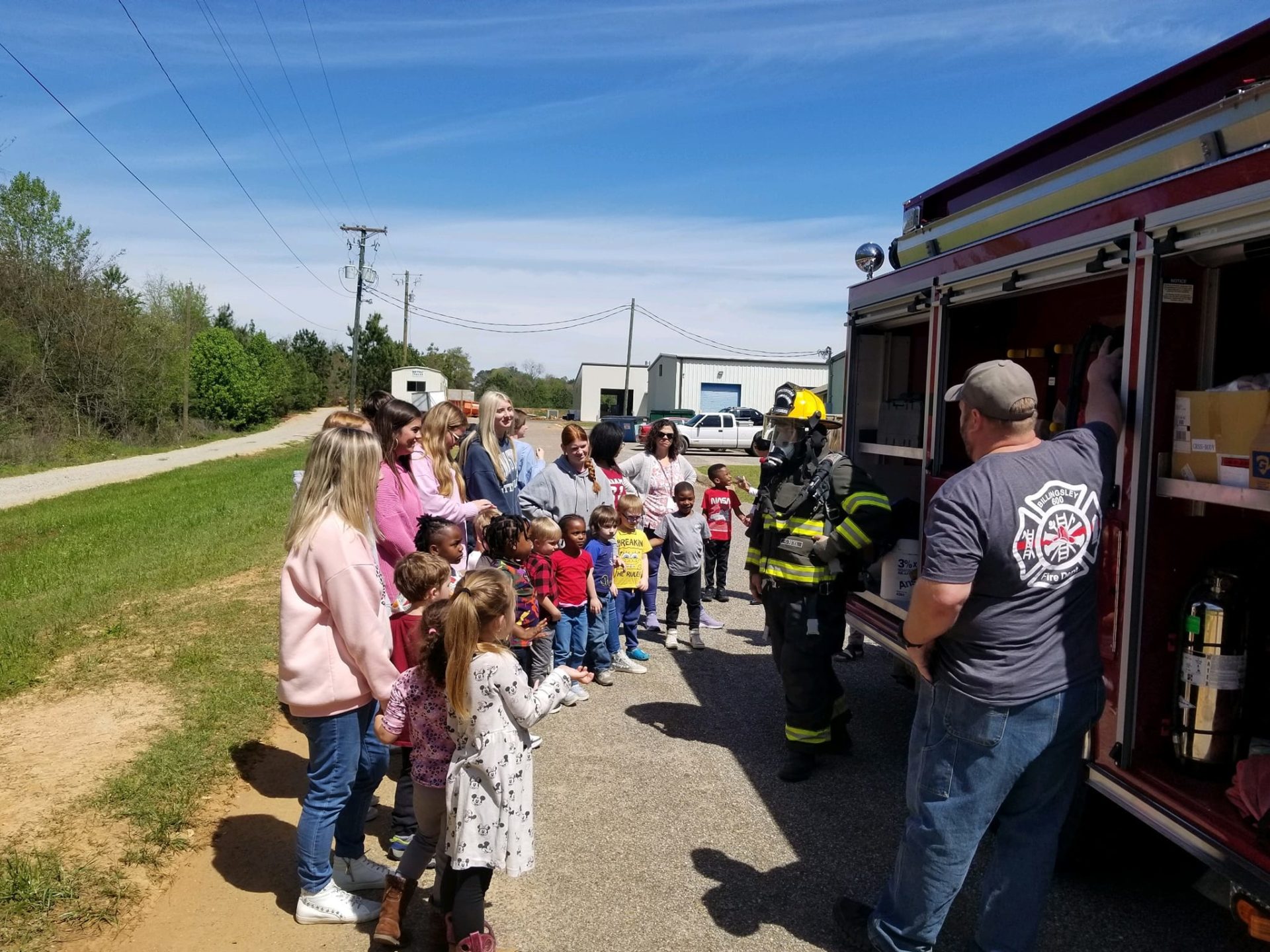
Many successful Fire Prevention Week campaigns in schools involve partnering with local fire departments. Firefighters can provide invaluable resources such as educational materials, interactive presentations, and demonstrations on fire safety. They can also participate in school events and activities to engage students and emphasize the importance of fire prevention.
Outreach to Parents and Guardians
Any comprehensive Fire Prevention Week campaign should include outreach to parents and guardians. It is important to communicate the importance of fire safety at home and provide tips on creating a fire-safe environment. Parents can be encouraged to practice fire drills with their children and ensure that smoke alarms are working properly. Engaging parents in these efforts can help reinforce the fire safety lessons learned at school.
An effective way to involve parents and guardians in the campaign is to send home informational flyers or emails outlining the activities happening during Fire Prevention Week. Providing resources for families to create a fire escape plan and check smoke alarms can empower parents to take an active role in their children’s safety.
The key to a successful Fire Prevention Week campaign lies in engaging the entire community, including local fire departments, parents, and guardians. By working together, we can create a culture of fire safety awareness that extends beyond the classroom and into every home.
Execution of the Campaign
Launching the Opening Event
To kick off the Fire Prevention Week campaign in schools, it is crucial to organize a captivating opening event. This event should be engaging, informative, and set the tone for the rest of the week. Whether it’s a guest speaker, a simulation, or a video presentation, make sure to grab the attention of students and staff from the start.
Daily Activities and Workshops
Daily activities and workshops play a crucial role in keeping the momentum of the Fire Prevention Week campaign going. These can include fire drills, hands-on demonstrations, interactive workshops, and classroom sessions focusing on fire safety tips. It is important to have a mix of activities that cater to different learning styles and age groups to ensure maximum participation and impact.
Opening the floor for questions and discussions after each workshop can help reinforce key fire safety messages and address any doubts or concerns that students may have. Providing informative handouts and resources can also serve as valuable takeaways for students to share with their families, extending the campaign’s reach beyond the school walls.
Assessment and Feedback
Measuring Impact and Effectiveness
Not only is it crucial to implement a Fire Prevention Week campaign in schools, but also to measure its impact and effectiveness. By assessing the outcomes of the campaign, you can determine if your efforts are making a difference in promoting fire safety among students and teachers.
Gathering Feedback for Improvement
For a successful Fire Prevention Week campaign, gathering feedback is vital to make necessary improvements. This feedback can be collected through surveys, focus groups, or direct observations to gain insights into what worked well and what areas need enhancement for future campaigns.
It is important to create a feedback mechanism that allows participants to share their thoughts, suggestions, and experiences. This feedback can provide valuable information on the effectiveness of the campaign strategies, the engagement of the audience, and any challenges faced during the implementation.
Summing up
As a reminder, launching a Fire Prevention Week campaign in schools is a crucial step in educating students about fire safety and prevention. By following the steps outlined in this guide, including coordinating with local fire departments, creating engaging activities, and empowering students to take action, schools can effectively raise awareness and promote fire safety. By instilling these important lessons early on, we can help protect our communities and ensure that students are prepared in the event of a fire emergency. Be mindful of, fire safety is everyone’s responsibility, and these campaigns play a vital role in keeping our schools and communities safe.