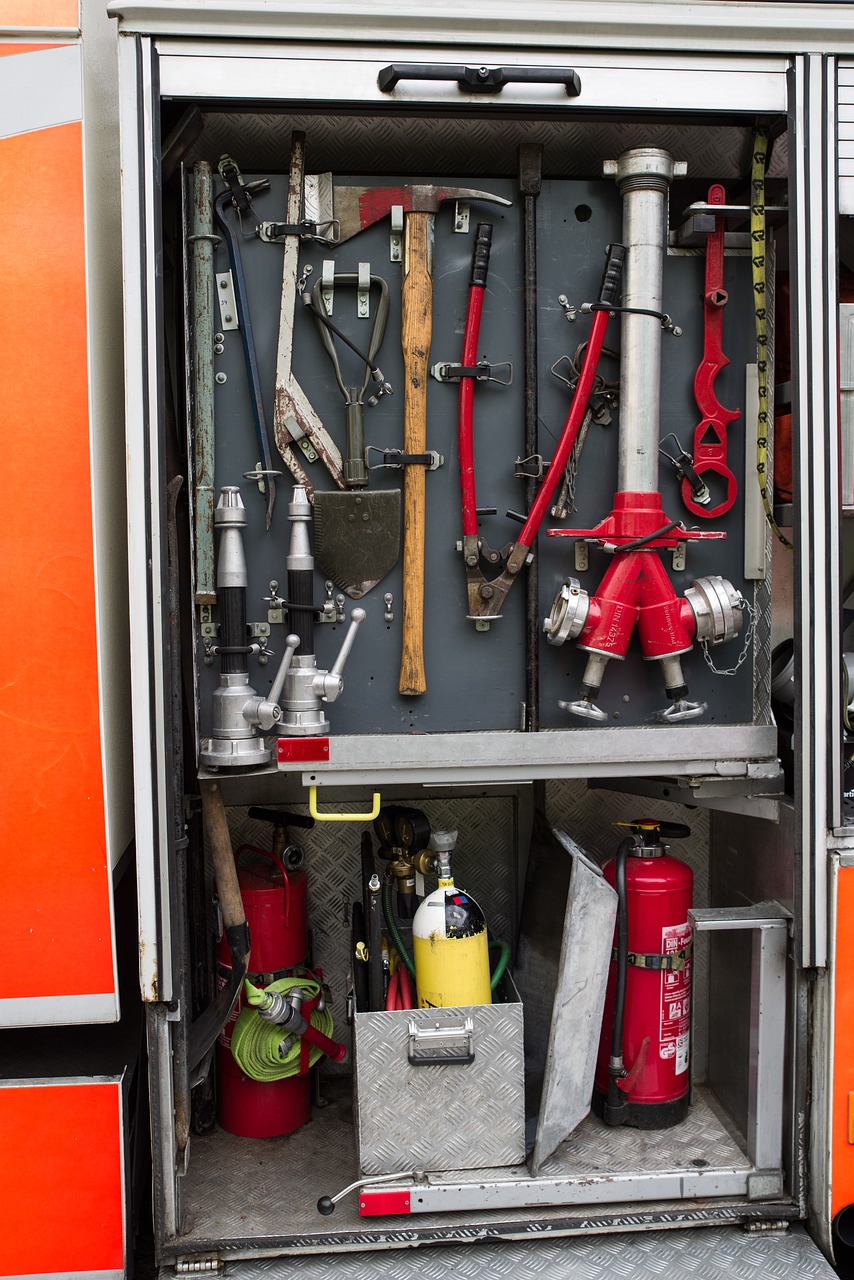

Just by adopting a disciplined, routine inspection program you keep your apparatus mission-ready and protect the crew; use written checklists that cover engine, pump, brakes, tires, electrical systems, and hose integrity. You should perform daily walkarounds, weekly system tests, and monthly detailed inspections to catch wear, prevent failures, and minimize downtime. A consistent checklist gives you documented actions, promotes crew safety, and ensures reliable response when seconds matter.
Key Takeaways:
- Establish routine pre/post-shift and periodic inspections covering engine, pump, brakes, tires, fluids, electrical, lights/sirens, aerials, hoses, SCBA and PPE.
- Use standardized, written checklists with pass/fail fields, signatures and timestamps; train assigned personnel to ensure consistency.
- Document all findings and implement a fast repair/prioritization workflow with parts procurement and clear owner assignments.
- Follow manufacturer guidance and applicable standards (e.g., NFPA 1911) for testing intervals and maintenance procedures for pumps, aerials and safety systems.
- Maintain spare-parts inventory and maintenance logs; analyze trends to schedule preventive replacements and minimize in-service failures.
Importance of Preventative Maintenance
Ensuring Operational Readiness
When you perform consistent, documented inspections you catch the small failures that otherwise become mission‑ending problems – flat batteries, worn brake pads, or a leaking pump seal. Implement a brief pre‑shift or weekly walkaround (10-15 minutes) that verifies engine start, lights/sirens, air pressure, brakes, tires, and fluid levels; combining that with an entry in a maintenance log reduces unexpected downtime. NFPA 1911 requires regular inspection and testing of in‑service apparatus, and following those intervals (daily/weekly checks plus annual pump and aerial tests) keeps your rigs available when a call comes.
Use your checklist to create clear accountability: mark items OOS, assign corrective actions, and track repairs by date, mileage, and engine hours. Departments that formalize this process often see fewer emergency failures – for example, one volunteer department reported a ~40% drop in out‑of‑service incidents within a year after instituting 15‑minute weekly checks and strict follow‑up on logged defects. Prioritizing brake system and steering faults for immediate repair prevents the most dangerous failures on the road.
Extending Equipment Lifespan
You preserve asset value and delay costly replacements by addressing wear items on a schedule: change engine oil and transmission fluid per OEM recommendations (commonly every 5,000-10,000 miles or per engine‑hour interval), rotate tires and check alignment every 6,000-8,000 miles, and replace belts and hoses on a 3-5 year cycle or at first sign of cracking. Regular chassis lubrication and chassis corrosion control-especially in salt belt areas-keep structural components from degrading prematurely.
Proactive parts replacement and calibration prevents cascading damage; replacing a worn pump packing or a failing alternator early is far less expensive than a pump rebuild or complete cab electrical retrofit. Many departments report a noticeable drop in major repairs and extended service life when they follow OEM schedules and keep a stocked parts inventory of common wear items (filters, belts, seals, batteries).
More practically, set reminders based on both miles and engine hours, store apparatus under cover when possible, and use float chargers on batteries if a vehicle sits unused for >72 hours. Flushing pumps and valves after exposure to chlorinated or salty water, exercising aerial devices under load per the manufacturer or annually, and using OEM replacement parts will collectively help you maximize the vehicle’s usable years and preserve resale value; routine attention to these details often prevents the expensive failures that shorten service life.
Developing a Checklist System
You should standardize checklists into tiers so routine inspections are fast while deeper checks are thorough: a pre/post‑shift quick‑walk (10-15 minutes), a weekly detailed walk‑around (30-60 minutes), a monthly systems check (60-120 minutes) and annual certified tests for pump and aerial systems per NFPA guidance. Assign clear ownership for each tier – driver/operator for pre/post, a designated crew or volunteer mechanic for monthly tasks, and a certified technician for annual testing – and build mandatory sign‑offs so nothing slips through informal handovers.
Make the system actionable by combining binary pass/fail items with quantitative fields (psi, volts, hours) and an escalation workflow: any item tagged A – remove from service requires immediate notification and written corrective action within 24 hours; B – repair within 72 hours; C – monitor. Use a mix of paper backups and a mobile app that captures photos, timestamps and the operator’s name to improve accountability and trend analysis over time.
Key Components to Include
Include identification and baseline data first: unit number, VIN, odometer or engine hours, date/time and operator name. For systems, list engine oil level and grade, coolant level and temp, fuel level, battery voltage (target idle ≥12.6 V; charging 13.8-14.8 V), air brake pressure and leak rate, steering/play, tire pressure and tread depth, lights/sirens, pump prime and pressure gauges, hose and coupling condition, ladder locks and pins, and loose or missing tools. Mark items that present immediate safety risk – brakes, steering, fuel leaks, severe wiring damage – with high‑risk flags so you see them first.
Structure each line item with the action, an expected numeric range when possible, and the required evidence: OK/NO; numeric field (psi/volts); photo attachment; corrective action and target completion date; signed by operator. Use codes for priority and keep a short SOP for how to measure (for example, check tire pressure cold, verify battery voltage with engine off and then charging). Target a pre‑shift checklist that can be completed in under 15 minutes and a full monthly check that takes no more than two hours per unit.
Frequency of Checks
Require a pre‑shift or pre‑response quick check every time the unit is staffed or before you respond – this is the most frequent and often most effective inspection. In addition, set weekly walk‑arounds for systems that change between shifts, monthly preventive maintenance for fluids, filters and greasing points, and annual certified tests for pumps and aerial devices following NFPA recommendations. Make pump flow tests and aerial load tests part of the annual calendar and log the test results (pressures, gpm, max lift) with the technician’s signature.
For operational timing, expect pre‑shift checks to take 10-15 minutes, weekly checks 30-60 minutes, monthly service 60-120 minutes and annual certified testing to occupy a full maintenance day. If an item is rated A (remove from service), you should tag the apparatus out immediately and document corrective steps; retain inspection records for at least three years and use monthly trend reports to identify recurring failures so you can adjust frequency or training accordingly.
Training Volunteer Firefighters
Design your training so it blends short classroom briefings with hands‑on station exercises; a practical cadence is weekly quick‑checks and a longer, documented drill once per month. Use NFPA 1911 as your reference for inspection intervals and make the first two sessions focused on safety items so personnel can identify brake or steering play, low tire pressure, and fuel or hydraulic leaks before they become mission‑stopping failures. Pair new members with a mentor for at least three ride‑alongs and station drills in the first 30 days to accelerate competency and reduce overlooked items during real responses.
Track outcomes numerically: log inspection completion rates, defect closure times, and the number of repeat findings per apparatus. Departments that set targets – for example, achieving >90% monthly checklist completion and closing defects within 7 days – see measurable reductions in in‑service failures and repair costs, and you can use those KPIs to justify training time and parts expenditures.
Familiarizing with Equipment
Start drills by breaking the apparatus into systems: chassis, pump and plumbing, electrical, and rescue tools. Give each firefighter a 20-30 minute hands‑on station to perform specific tasks – change a battery cable, operate the pump panel under simulated load, deploy and repack a 200‑ft hose line – so they gain muscle memory and can spot hairline hose cracks, seized valve stems, or corrosion at electrical terminals on sight. Rotate roles each session so every member understands driver/operator checks and tool stowage logic.
Use real defects for training when possible: tag a worn belt, a low coolant level, or a deliberately misrouted SCBA hose and have crews log the issue on the checklist, photograph it, and practice the correct corrective action. Over a three‑month familiarization block, aim for each volunteer to complete at least three full apparatus walk‑arounds and one supervised pump operation to reach baseline proficiency.
Instruction on Checklist Usage
Walk through your checklist line‑by‑line in a classroom setting first, explaining why each entry matters and giving concrete pass/fail criteria – for example, report tire tread below 4/32″ or any visible fluid leak as a fail. Demonstrate how to use any digital checklist app, how to attach photos for defects, and when to apply a red tag versus a service tag. Make sure you show examples of good documentation: date/time, initials, and a short note on corrective action taken or needed.
Reinforce instruction with a timed practical: give crews 15-25 minutes to complete a full checklist on a unit while an instructor audits for thoroughness and accuracy. Require supervisory sign‑off on audits and set a remediation path when error rates exceed 10% – additional coaching sessions, paired inspections, and follow‑up audits until proficiency is demonstrated.
Common Maintenance Tasks
You should build a rhythm of short, frequent checks and deeper, scheduled tests: a 10-15 minute daily walk‑around, a more detailed weekly systems check, monthly operational exercises, and annual NFPA‑recommended inspections. For example, perform a daily inspection of fluids (engine oil, coolant, power steering, transmission), exterior lights, mirrors and door latches, then log any discrepancies; doing so cuts on‑call failures significantly and keeps downtime low. Make sure the items that present the greatest immediate hazard – brakes, steering, tires and electrical system – get prioritized on every entry in your log.
Documenting results is part of the task: record mileage, hours, battery voltage, tire pressures and any corrective action so trends emerge before components fail. Many departments follow a simple numeric checklist (10-20 items) that feeds into quarterly reviews; when you track battery resting voltage (target ~12.6 V) and charging voltage (> 13.5 V), tire pressure range (manufacturer spec, commonly 80-120 psi on heavy apparatus), and oil pressure, you catch problems early and keep apparatus available for calls.
Vehicle Inspections
Your vehicle walk‑around should inspect both visible and under‑vehicle components: check for fluid leaks, ripped belts, hose swelling or abrasions, and bent suspension components, then test lights, sirens and emergency switches. After engine start verify oil pressure and charging system readings, and conduct a low‑speed brake test in a safe area to confirm pedal feel and parking brake engagement; any spongy pedal or pull to one side requires immediate attention because brake and steering defects are immediate safety hazards.
Pay special attention to tires and wheel assemblies: verify tire pressure against the vehicle placard, measure tread depth (maintain at least 4/32″ on steering axles), and inspect for cuts or bulges. Also confirm seat belts, cab locks, and scene lighting function; log all findings in your apparatus maintenance record and tag any unit out of service with clear notes so fleet managers and crews know when a component was removed or repaired.
Equipment Testing
You must test pumps, ladders, generators and portable tools on a set schedule: exercise the pump under pressure during monthly drills and perform a full annual pump flow test per NFPA 1911 at rated capacity (typical pump sizes range from 500-1,500 GPM). Hose testing should be done annually per NFPA 1962, and you should visually inspect ladders for bent rungs, cracked rungs, missing rivets and heat exposure indicators before and after every use because a failed ladder or hose can quickly escalate an incident into a life‑safety failure.
For breathing air and rescue gear, follow manufacturer and NFPA schedules: SCBA function checks weekly, cylinder hydrostatic testing per the cylinder rating (commonly every 5 years for many composites), and monthly service‑level inspections for hydraulic rescue tools. Generators and portable pumps should be run under load at least monthly (load bank at 30-50% capacity for 20-30 minutes) to keep fuel systems and charging circuits healthy.
Include measurable test steps on each checklist: record pump discharge pressure and flow during the annual test, note ladder deflection measurements, log hose test pressures and duration, and capture battery amp draw and charging voltage during generator runs; using specific numbers (psi, GPM, volts, minutes) lets you spot degradation trends and plan repairs before safety margins are compromised.
Record Keeping and Documentation
Tracking Maintenance History
Within your fleet management, maintain a single, searchable maintenance history for each apparatus tied to its VIN and unit number; NFPA 1911 directs that inspection and maintenance records be complete and retained for the life of the apparatus. Log every scheduled check and unscheduled repair – for example, record engine hours, odometer miles, pump hours, oil-analysis results, parts replaced (part number, mileage/hours at replacement), and the technician who performed the work. That level of detail lets you spot patterns: if a pump seal has failed three times in 18 months, you can escalate to a root-cause repair instead of repeated band‑aids.
Use a consistent taxonomy and timestamps so entries can be filtered by component (engine, transmission, pump, SCBA mounts), date, and technician. Mobile forms that capture photos and attach invoices reduce ambiguity; departments that moved from paper to a cloud CMMS often report cutting unscheduled downtime by more than half within a year because every repair and invoice is searchable. Set automated reminders for interval tasks (30/60/90/365 days, annual pump flow tests) and keep a backup export (CSV/PDF) of histories quarterly.
Reporting and Accountability
Assign clear responsibility: you should name a maintenance officer who signs off on post-repair inspections and a backup who can authorize out-of-service returns. Require two-step verification for return-to-service: the technician documents the repair, and a supervisor or officer confirms operability and signs the log. Unverified or unsigned repairs are dangerous because they break the chain of custody and can allow a compromised vehicle to respond to incidents.
Track KPIs and make them visible: weekly checklist completion rate (target >95%), mean time to repair (MTTR), mean time between failures (MTBF), and percentage of vehicles available for response each shift. Produce a monthly dashboard for your chief and board showing these metrics, trends, and top recurring faults; use those reports to justify replacement schedules or capital requests and to demonstrate reduced downtime after process changes.
Require quarterly internal audits of logs and an annual external review or vendor inspection to validate compliance and catch record-keeping gaps; attach audit findings to each unit’s file and follow up on corrective actions within 30 days. Include near-miss and hazard reports as part of maintenance reporting so you capture issues that didn’t cause failure but indicate latent risks, which helps you lower liability and improve readiness while protecting grant and insurance funding.
Challenges in Volunteer Fire Departments
Funding, staffing and aging equipment converge to create an operational environment where maintenance can get deprioritized, and that gap directly affects response reliability. You face budgets that commonly range from a few thousand to a few hundred thousand dollars annually depending on jurisdiction, while a single apparatus can cost $5,000-$20,000 per year to keep serviceable depending on age and call volume; when deferred, issues like pump failures or brake problems become dangerous failures on a call. Departments that align their preventive maintenance to standards such as NFPA 1911 and document inspections see fewer in-service breakdowns and faster turnarounds when repairs are needed.
Volunteer schedules and limited on-site mechanical expertise amplify the challenge: many departments operate with fewer than 25 active members and average weekly availability of 6-12 hours per volunteer, so you must optimize every hour. Grant programs (FEMA AFG, state equipment grants), mutual-aid agreements and cooperative maintenance arrangements with nearby departments often provide the only realistic paths to replace or overhaul major systems, and using those avenues strategically is one of the most effective positive steps you can take to keep apparatus ready.
Resource Limitations
Costs for parts, specialized tools and certified pump testers add up quickly, and you frequently have to choose between immediate repairs and longer-term upgrades. For example, replacing a failing pump seal and associated labor can run several thousand dollars, forcing you to decide whether to pull a second apparatus into service or accept a single-unit response profile. You can mitigate this by maintaining a small stocked kit of high-wear consumables (belts, hoses, filters) and an annual parts budget line; those steps often prevent weeks-long OOS periods for otherwise routine fixes.
Staffing constraints also mean less in-house technical knowledge; many volunteer departments lack a full-time mechanic, so turnaround times for warranty and specialty work can stretch to weeks. Establishing a relationship with a local fleet shop or cross-agreement with a neighboring department for shared mechanical support reduces downtime, and pursuing targeted grants for apparatus maintenance equipment has proven effective-several midwestern volunteer units secured $25,000-$50,000 in combined grants over three years to fund scheduled pump maintenance and diagnostic tools.
Time Management Strategies
Balancing volunteer availability with maintenance needs requires you to systematize tasks so they fit into predictable, short windows instead of long, ad-hoc projects. Implementing a routine where walkarounds take 10-20 minutes per shift, weekly fluid and tire checks take 15-30 minutes, and one designated evening per month is used for more detailed PM work lets you spread load across the roster; assigning two-person teams and tracking hours prevents burnout and ensures coverage without impeding emergency readiness.
More detail: build a maintenance calendar that tiers work by frequency and complexity-daily 10-15 minute walkaround and battery checks; weekly 20-30 minute fluid, tire and lights inspection; monthly 1-2 hour systems checks (pump, foam, ladders); quarterly oil/filter servicing and brake inspection; and an annual vendor-supported chassis and pump overhaul. You can schedule the monthly and quarterly items on drill nights or during low-call daytime windows, use a digital checklist app to log time and findings, and rotate responsibilities so each volunteer contributes roughly the same maintenance hours per month, typically 2-6 hours depending on apparatus count.
Conclusion
As a reminder, your preventative maintenance checklists are the backbone of apparatus reliability and responder safety. Implement standardized daily, weekly, monthly, and annual checks that cover fluids, tires, brakes, lights, pumps, generators, ladders, hose, SCBA mounts, battery charging, radios, and emergency lighting; assign specific responsibilities for each item and require written or digital sign-offs to document status and corrective actions.
Keep your program effective by training personnel on checklist use, maintaining a small parts inventory, scheduling preventive replacements, and auditing compliance with measurable metrics. Use post-incident reviews and seasonal updates to refine checklists, coordinate with vendors for complex repairs, and ensure leadership oversight so you sustain readiness and reduce the risk of equipment-related failures during responses.