
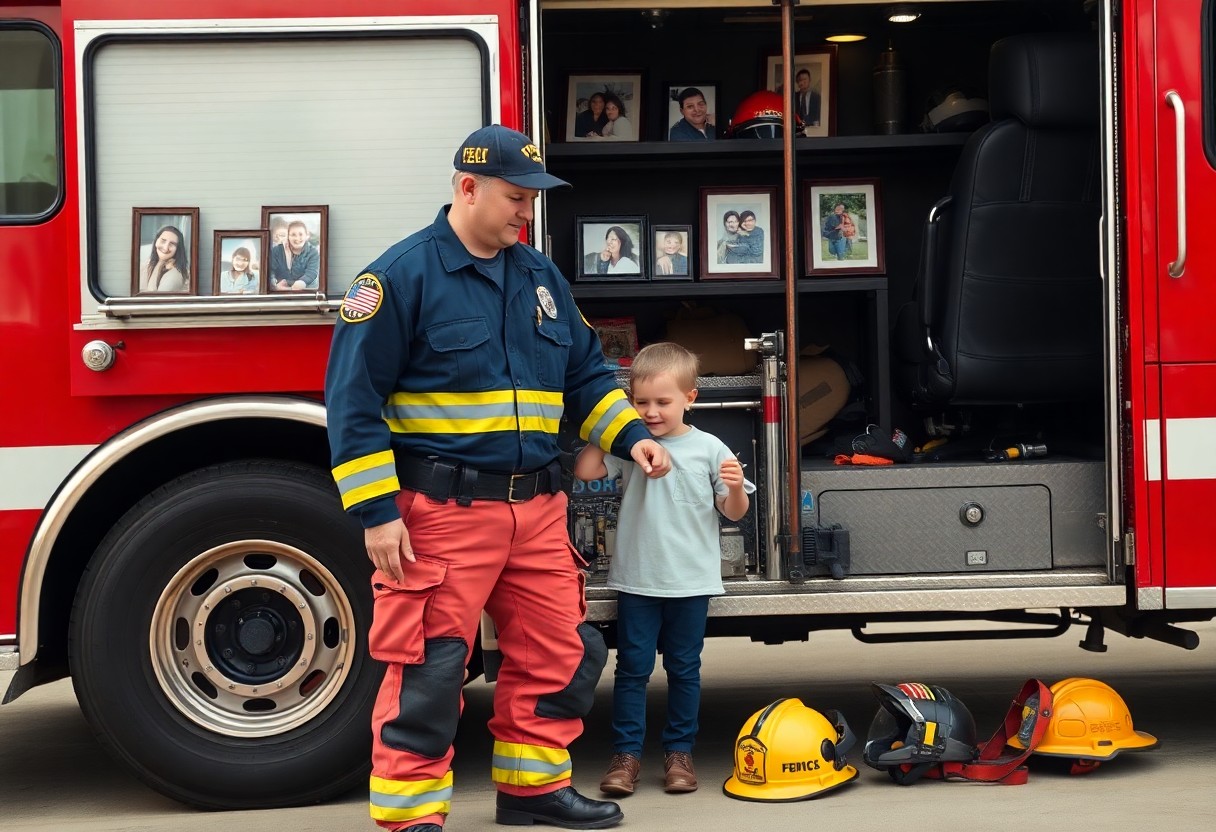
Firefighting demands your dedication and can often clash with family commitments. Balancing these responsibilities is vital for your mental well-being and relationships. This guide offers practical strategies to help you effectively manage your time, ensuring you fulfill your duties as a volunteer firefighter while nurturing your family life. By prioritizing communication and setting boundaries, you can create a harmonious balance that respects both your calling and your loved ones.
Key Takeaways:
- Establish a clear communication plan with family members regarding your firefighting schedule and commitments.
- Prioritize self-care to maintain physical and mental well-being, allowing you to fulfill both firefighting and family roles effectively.
- Set boundaries between duty time and family time to ensure dedicated attention to both roles.
- Involve family in the firefighting experience to foster understanding and support for your commitments.
- Utilize time management strategies to balance training, calls, and family obligations.
Understanding the Firefighting Commitment
As a volunteer firefighter, your role extends beyond just responding to emergencies; it involves a dedication to training and serving your community. The commitment to the team is significant, requiring not only physical readiness but also emotional resilience. You must be prepared for the reality that your duty may call at any moment, requiring a strong balance between your firefighting responsibilities and personal life.
The Nature of Volunteer Firefighting
Volunteer firefighting is unique, as it blends service with dedication to community. You engage in both emergency response and community education, fostering relationships with the public. Your efforts extend beyond fire calls, involving training, drills, and meetings that build camaraderie and preparedness among your team.
Time Commitment and Shift Patterns
Your time commitment as a volunteer firefighter can vary significantly. Generally, expect to dedicate between 10 to 20 hours a week to training, calls, and administrative tasks. Shift patterns might not be rigid; instead, they operate on a call-in basis, meaning your presence is needed during emergencies as they arise, which can occur during odd hours or weekends.
Understanding the dynamics of time commitment is imperative. In many departments, you may experience varying shift patterns that can change daily based on the call volume and community needs. Training sessions often occur in the evenings or weekends, creating an irregular schedule that can challenge family time. You might find that peak activity occurs during certain seasons, like dry summer months when wildfires are more likely, further necessitating flexible planning to juggle home responsibilities with firefighting demands.
Prioritizing Family Responsibilities
Balancing your commitments as a volunteer firefighter with your family responsibilities requires intentional prioritization. It is crucial to recognize that your family’s needs must factor into your firefighting schedule, ensuring that neither duty is sacrificed. By evaluating your family’s commitments alongside your firefighting obligations, you can create a harmonious balance that supports both your passion for service and your family’s well-being.
Open Communication with Family
Effective communication with your family is vital in managing expectations related to your firefighting responsibilities. Regularly discuss your schedule, potential call-outs, and training events, allowing your loved ones to anticipate and understand your absences. This openness fosters trust and support, enabling your family to feel involved in your volunteer work rather than sidelined by it.
Setting Family Goals and Priorities
Establishing clear family goals and priorities helps to create a unified vision for your household. Discuss events, vacations, or milestones that are important to your family, and work to integrate these with your firefighting obligations. By identifying what matters most to your family, you can allocate time and resources accordingly, ensuring that both your firefighting duties and family life can thrive in harmony.
Setting family goals involves thoughtful conversations that include everyone’s input. Create a family calendar that encompasses firefighting duties, school events, and family outings. This visual representation helps to clarify when you are available and when commitments may overlap. Utilizing tools like shared apps for scheduling can enhance coordination, ensuring you are intentional about spending quality time with your family while fulfilling your responsibilities as a volunteer firefighter.
Effective Time Management Strategies
Time management is necessary to effectively juggling firefighting duties and family responsibilities. Developing a structured approach to manage your hours allows you to fulfill your roles without feeling overwhelmed. By prioritizing tasks, establishing clear boundaries, and maintaining open communication with your family, you’ll create a harmonious balance that supports both your commitment to firefighting and your family’s needs.
Creating a Schedule
Establishing a consistent schedule is key to managing both your firefighting duties and family time. Block out specific hours for training, calls, and personal time, and involve your family in this process. By seeing your commitments laid out, family members can better understand when you’ll be available, fostering communication and reducing any feelings of neglect during busier firefighting periods.
Utilizing Time-Blocking Techniques
Time-blocking is an effective method for allocating dedicated periods for various tasks, making it easier to balance firefighting and family life. This technique involves dividing your day into distinctive blocks of time, allowing you to focus fully on one activity at a time. Assign specific blocks for training, family activities, and personal downtime to ensure each area of your life receives the attention it deserves.
For example, you might designate early mornings for personal fitness training, mid-mornings for family interactions, and evenings for firefighting responsibilities or meetings. By utilizing tools like digital calendars or planner apps, you can visual track of your commitments, set reminders, and adjust blocks as necessary. This method not only enhances your productivity but also helps in minimizing distractions, ensuring that when you’re with your family, you’re truly present. Such intentional scheduling creates a structured routine, easing the stress associated with overlapping commitments in your busy lifestyle.
Finding Support Systems
Building a robust support system is vital for navigating the challenges of firefighting duty while maintaining family life. You should seek out individuals and groups that understand your unique circumstances and can provide emotional and practical assistance. Having someone to talk to can ease stress and foster resilience, making the balancing act more manageable.
Engaging with Fellow Firefighters
Connecting with fellow firefighters offers an invaluable sense of camaraderie. These individuals often share similar experiences and challenges, which helps foster a supportive environment. Regularly attending group meetings or social events allows you to form lasting relationships that can enhance your well-being during tough times.
Establishing a Family Support Network
Building a family support network is imperative for maintaining harmony between your firefighting duties and home life. This includes creating open lines of communication with your family, involving them in your firefighting journey, and seeking support from relatives, friends, or community members. By establishing these connections, you can ensure that your family feels included and understood, reducing feelings of isolation.
When establishing a family support network, involve your loved ones in your journey as a firefighter. Schedule regular family meetings to discuss your schedule, share experiences, and express feelings. Offer opportunities for family members to meet your firefighting peers and learn more about your commitment. This way, they can better appreciate your responsibilities and be more supportive during demanding times. By doing so, you’re not only promoting understanding but also strengthening family bonds that can withstand the challenges of your volunteer duties.
Balancing Emergency Responses with Family Time
Striking a balance between answering emergency calls and spending quality time with your family is vital. You need to prioritize your commitments by establishing a clear communication channel with both your firefighting team and your family. This allows you to be present when it matters most while remaining responsive during calls. Setting boundaries on your availability and discussing your firefighting schedule with your loved ones can significantly improve the quality of your family time.
Recognizing Critical Situations
Understanding what constitutes a critical situation is important for managing your time effectively. Emergencies can arise unexpectedly, and being able to assess the urgency of a call versus your family obligations will help you make better, informed decisions. You should develop an awareness of recurring situations that demand immediate attention while also considering your family’s needs. This balancing act is about prioritizing appropriately to ensure that you serve your community without compromising family bonds.
Planning Family Activities Around Shifts
Organizing family activities around your firefighting shifts promotes harmony and connection at home. Make a weekly schedule that aligns your shifts with designated family time. The goal is to plan outings, game nights, or simple dinners during your off-duty hours, maximizing those precious moments together. Be proactive and communicate these plans with your family to ensure everyone is on the same page and can look forward to shared experiences.
In planning family activities around your shifts, consider utilizing a shared calendar that highlights your firefighting schedule alongside potential family events. For example, if your shifts are predictable, you could plan a weekly family outing every Saturday afternoon, which provides a consistent bonding opportunity. Incorporating flexible activities like movie nights or backyard barbecues allows for spontaneous fun when your schedule permits. By approaching your time management with an organized strategy, you create a supportive environment that nurtures both your firefighting duties and family relationships.
Self-Care and Personal Well-Being
Prioritizing your self-care is important for maintaining emotional and physical health amidst the demands of volunteer firefighting. Ensuring you allocate time for activities that recharge your energy, whether it’s exercise, hobbies, or simply relaxing, fosters resilience. Make self-care a routine part of your schedule, integrating it seamlessly with your firefighting duties and family commitments to enhance your overall well-being.
Managing Stress Levels
Identifying and managing stress levels is vital for sustaining your mental health as a volunteer firefighter. Techniques such as mindfulness, deep breathing exercises, and regular physical activity can help alleviate stress. Developing a strong support network, including family members and fellow firefighters, allows you to share experiences and foster emotional connection, which can be a powerful antidote to stress.
Importance of Personal Time
Personal time is indispensable for maintaining a healthy balance between your firefighting duties and family life. Engaging in activities that you love or simply having downtime to recharge can significantly enhance your outlook and performance. This time allows for personal reflection and connects you back to the core priorities in your life, reinforcing your commitment to both your family and your role as a firefighter.
Incorporating personal time into your schedule not only provides emotional relief but also enhances your productivity when you respond to calls. Allocate specific hours each week exclusively for yourself-whether it’s pursuing hobbies, spending time in nature, or enjoying a quiet evening with a book. This preserves your sanity and grants you the space to process your firefighting experiences, leading to a healthier mindset and improved focus on service and family responsibilities.
Conclusion
So, by prioritizing clear communication, setting boundaries, and organizing your time effectively, you can successfully balance your firefighting duties with your family life. Be proactive in involving your family in your responsibilities, fostering understanding and support both at home and in the firehouse. Embrace the challenges of your role while ensuring you dedicate quality time to your loved ones, thereby enriching both your personal and professional life.