You can significantly enhance the resilience of your volunteer fire department by establishing a family support network. This network fosters communication, camaraderie, and mutual aid among firefighters and their families, ensuring that emotional and logistical assistance is readily available during challenging times. By creating a structured approach to connect families, you not only strengthen commitment within your team but also promote a healthier work-life balance. In this guide, you will learn important steps to effectively build and maintain this vital resource for your department.
Key Takeaways:
- Identify key family members and develop a communication plan to keep them informed about the department’s activities and events.
- Host regular family-oriented events to foster relationships and create a sense of community.
- Establish support systems, like mentorship programs, for families of volunteers to share experiences and resources.
- Encourage open dialogue among firefighters and their families to address any concerns or challenges they face.
- Utilize social media and group messaging apps to enhance connectivity and provide timely updates for families involved in the department.
Understanding the Importance of a Family Support Network
Creating a family support network is crucial for fostering resilience and emotional well-being among your volunteer firefighters. This network provides a structured way for families to connect, share experiences, and support each other during the high-stress situations that come with firefighting. By fostering an environment of mutual support, you help reduce feelings of isolation and increase overall morale, which is vital for both individual firefighters and the department as a whole.
Benefits for Volunteer Firefighters
The benefits of a robust family support network extend well beyond emotional comfort. It offers your firefighters a reliable source of encouragement, alleviating stress and enhancing their mental health. When families are involved, they can better understand the demands of firefighting, leading to improved communication and reduced conflicts at home. This holistic approach contributes significantly to the retention of volunteers, as they feel valued and supported both in their role and personally.
Impact on Department Cohesion
Department cohesion is fundamentally enhanced when families are integrated into the support network. A strong bond between firefighters and their families fosters unity, trust, and teamwork in the department. When you prioritize family involvement, it leads to shared experiences and deeper connections among the members, resulting in more effective collaboration during critical incidents.
Furthermore, cohesive departments often exhibit higher levels of engagement, leading to increased participation in training and events. This collective spirit builds an atmosphere where all members feel like part of a larger family, enhancing loyalty and commitment. Statistics show that departments with active family support networks experience lower turnover rates-up to 30% less-indicating a direct correlation between familial involvement and organizational stability. Prioritizing these connections not only improves individual well-being but fortifies your entire fire department’s infrastructure.
Key Factors in Building a Support Network
Establishing a strong support network hinges on several key factors that can enhance your volunteer fire department’s cohesion and resilience. Effective communication is vital, allowing members to share concerns and resources openly. Inclusiveness ensures that all families feel welcome and valued, while regular engagement keeps everyone invested. Planning community events fosters connections beyond emergency responses. Any strategic approach to these factors can significantly impact your department’s overall well-being.
Identifying Community Resources
To strengthen your support network, assess and utilize local community resources effectively. Research organizations that offer support services, such as mental health programs and family counseling. Create a comprehensive list of contacts for resources related to financial assistance, crisis intervention, or educational programs that can aid firefighter families. Engaging with these resources can provide crucial assistance during times of need.
Engaging Firefighter Families
Proactively involving firefighter families in your department’s activities can create a sense of belonging and strengthen interconnectedness. Organize family-oriented events like picnics, open houses, and training days to encourage participation and connection among families. Share updates, achievements, and challenges within the department to foster understanding and support. Any effort to prioritize family engagement will yield positive results for morale and teamwork among firefighters.
Fostering connections through social gatherings or family workshops not only builds relationships but also allows families to share experiences and coping strategies. Encourage firefighters to bring their families to department trainings or community service events, and integrate family feedback into departmental planning. This involvement enhances the sense of community and mutual support, creating an environment where everyone feels valued and heard. Additionally, highlight the benefits of having family members involved, such as improved stress management and camaraderie. Making these connections strengthens your department’s backbone and creates a culture of support.
How-To: Create a Support Group
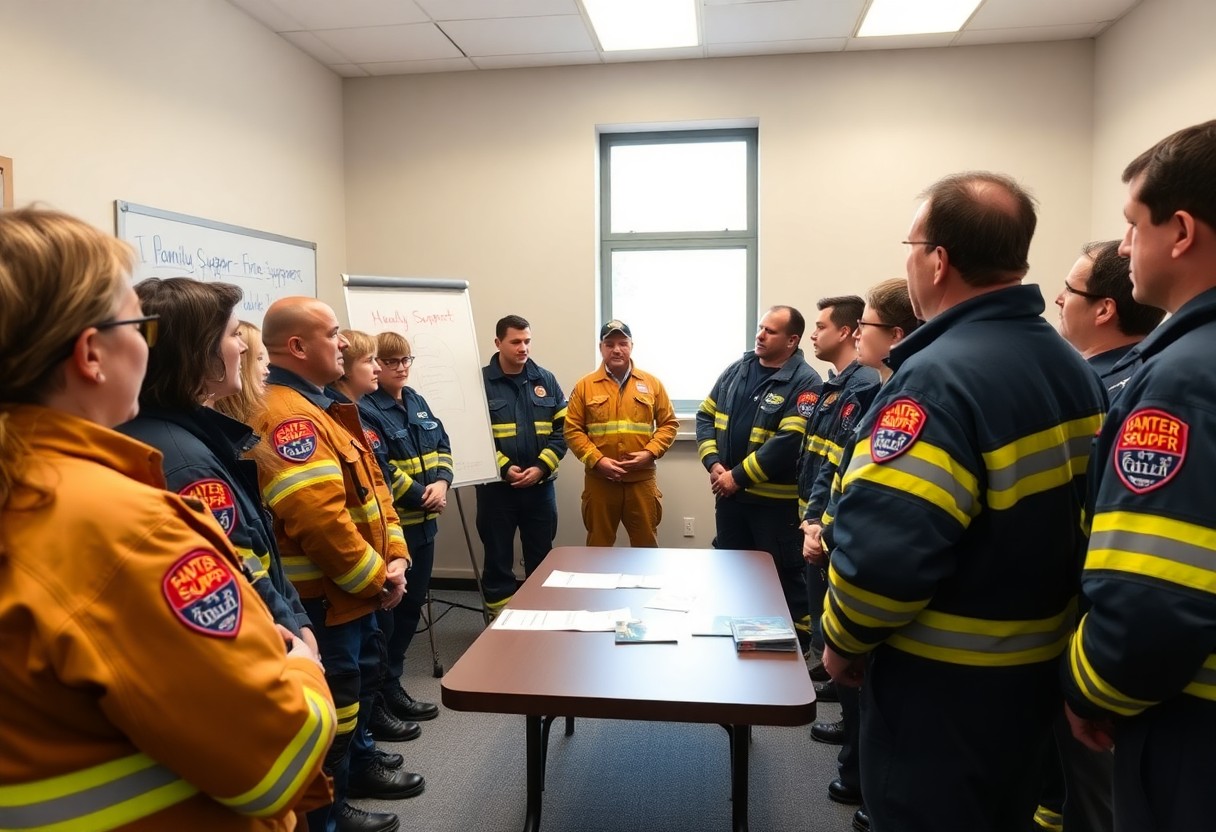
To establish an effective support group within your volunteer fire department, focus on creating an inclusive environment that encourages open communication among all members and their families. Start by identifying volunteers who are willing to dedicate time and effort in supporting their peers, ensuring that all voices are heard and valued. Be prepared to foster connections that go beyond the station, allowing families to bond over shared experiences and challenges.
Organizing Initial Meetings
Start with a few initial meetings to gauge interest and determine the format of your support group. Choose a comfortable and accessible location, maybe even the fire station, to encourage participation. Schedule these meetings at times that suit everyone, perhaps during the evenings or weekends, ensuring family members can attend. Use these gatherings to introduce the initiative and share the goals of the support group.
Establishing Group Objectives
Clarifying the objectives of the support group is crucial for its success. Aim to outline the primary goals, whether it’s to foster communication, provide emotional support, or offer resources for families facing the unique challenges that firefighters experience. Involving both firefighters and their families in defining these goals will help tailor the group’s activities and ensure that they resonate with the participants.
To effectively establish group objectives, conduct a quick survey or hold brainstorming sessions during initial meetings. Encourage participants to express their needs and expectations, allowing you to create targeted objectives that resonate with families. For instance, you might aim to facilitate monthly meetings focused on mental health resources, family events, or a peer mentorship program. These tailored objectives will empower your group, ensuring it remains focused and relevant to members’ experiences, ultimately reinforcing the bonds within your fire department community.
Tips for Sustaining Engagement
Sustaining engagement in your family support network requires intentional strategies that keep members motivated and involved. Consider employing the following approaches:
- Regular events to bring families together
- Open lines of communication for all members
- Recognition of family contributions
- Feedback mechanisms to improve participation
Knowing that engagement often wanes over time, consistent efforts will help maintain a vibrant and active support network.
Regular Communication
Establishing regular communication channels is imperative for keeping everyone informed and connected. Utilizing methods such as email newsletters, social media groups, and group messaging apps can facilitate ongoing dialogue. Make updates and announcements engaging by sharing success stories and upcoming events, emphasizing the collective achievements of families and members.
Encouraging Participation and Feedback
Fostering an environment where families feel comfortable sharing their thoughts and ideas is vital for strengthening your support network. Actively seek feedback through surveys after events or casual discussions during gatherings. This approach not only demonstrates that you value their input but also enables you to tailor activities that resonate with diverse family needs.
Engaging in feedback allows you to identify specific areas for improvement. For instance, if families express a desire for more social events, you could create activities tailored to their interests, such as family game nights or community service projects. Implementing this feedback reinforces that their voices matter and contributes to a sense of ownership within the network.
Integrating Training and Resources
Combining training with resources enhances the effectiveness of your family support network. By equipping families with the necessary knowledge and tools, you empower them to navigate the unique challenges that come with volunteering in a fire department. This integration fosters collaboration, enabling families to support one another while reinforcing their connection to the department.
Offering Educational Workshops
Hosting educational workshops can be a game changer for your family support network. These sessions not only provide valuable information about fire safety, emergency preparedness, and the emotional aspects of firefighting, but they also serve as a platform for families to connect. Engaging presenters can draw on real-life experiences to bring the topics to life and make them relatable.
Providing Access to Mental Health Support
Facilitating access to mental health support is integral to maintaining well-being within your network. Considering the high-stress nature of firefighting, providing resources such as therapy sessions and support groups can significantly benefit families. Ensuring that these services are readily available fosters resilience and promotes open dialogue about mental health challenges.
Mental health support can include partnering with local mental health professionals to offer workshops, counseling sessions, or crisis intervention services specifically tailored to the needs of firefighters and their families. Establishing a dedicated hotline or online platform can also enable easy access to professional help, ensuring that families feel equipped to cope with stressors. By normalizing conversations around mental health, you encourage a culture of openness, ultimately strengthening your community.
Recognizing and Celebrating Success
Recognizing and celebrating success within your family support network fosters a sense of belonging and accomplishment. Shining a spotlight on milestones, whether big or small, reinforces commitment and motivates continued participation. Celebrate achievements through informal shout-outs during meetings or formal awards presentations, ensuring that everyone feels appreciated for their contributions.
Highlighting Contributions
Highlighting contributions from family members not only acknowledges their efforts but strengthens their bond with the fire department. By sharing individual stories or notable acts of support in newsletters or social media posts, you can showcase personal commitment. This recognition promotes a culture of appreciation and encourages others to actively participate.
Hosting Family Events
Hosting family events can significantly enhance your support network by bringing families together in a relaxed environment. These gatherings can range from picnics to holiday parties and provide opportunities for families to connect, share experiences, and build friendships. Consider involving various activities that cater to different age groups, making it memorable for everyone.
Family events can include games, team-building exercises, or even training sessions that make learning enjoyable for all ages. When incorporating activities, ensure there’s a balance between fun and education, helping families understand the importance of firefighting and community service. For instance, consider organizing a barbecue where families engage in friendly competitions, such as relay races that mimic firefighting tasks. This not only strengthens relationships but also reinforces teamwork and camaraderie within your department.
Conclusion
Following this guide, you can effectively create a family support network within your volunteer fire department. By fostering open communication, involving family members in activities, and identifying shared goals, you enhance camaraderie and build resilience. Your proactive efforts contribute not only to the well-being of your team but also to a robust support system that strengthens relationships and encourages participation. Embrace these strategies to cultivate a nurturing environment that benefits both your firefighters and their families.