Over time, building strong connections between your community and the fire department can enhance safety and trust. You can effectively plan family-friendly events that promote engagement, education, and safety awareness. By incorporating interactive activities and encouraging participation, you will not only foster relationships but also create a positive atmosphere for learning about fire safety. Let’s investigate into practical steps to organize successful events that make a lasting impact on your community.
Key Takeaways:
- Engage community members by incorporating family-oriented activities such as games, demonstrations, and interactive sessions.
- Collaborate with local organizations and businesses to enhance resources and reach a wider audience.
- Ensure events are accessible to all families by considering timing, location, and transportation options.
- Promote educational content about fire safety and prevention in a fun and engaging manner.
- Gather feedback from participants to improve future events and strengthen community ties.
Understanding the Importance of Family-Friendly Events
Family-friendly events serve as an integral bridge between fire departments and the community, fostering engagement and understanding. By creating enjoyable experiences for families, you encourage participation and build lasting relationships. These events not only create opportunities for education about fire safety but also humanize the firefighters, showcasing them as approachable and relatable figures. Families are more likely to develop a sense of belonging when they participate in activities that entertain and educate.
Benefits for Fire Department Connections
Connecting with families leads to increased awareness of your fire department’s services and initiatives. Events that encourage participation can improve communication channels between firefighters and their communities, enhancing public cooperation during emergencies. Families who engage with your department are often more supportive and appreciative of your crucial work.
Building Community Trust
Trust is a foundational element of effective community relationships. When you organize family-friendly events, you demonstrate transparency and accessibility, which fosters a sense of safety and reliability among community members. Engaging families in open dialogues during such occasions allows you to address concerns directly and reinforce your department’s commitment to public service.
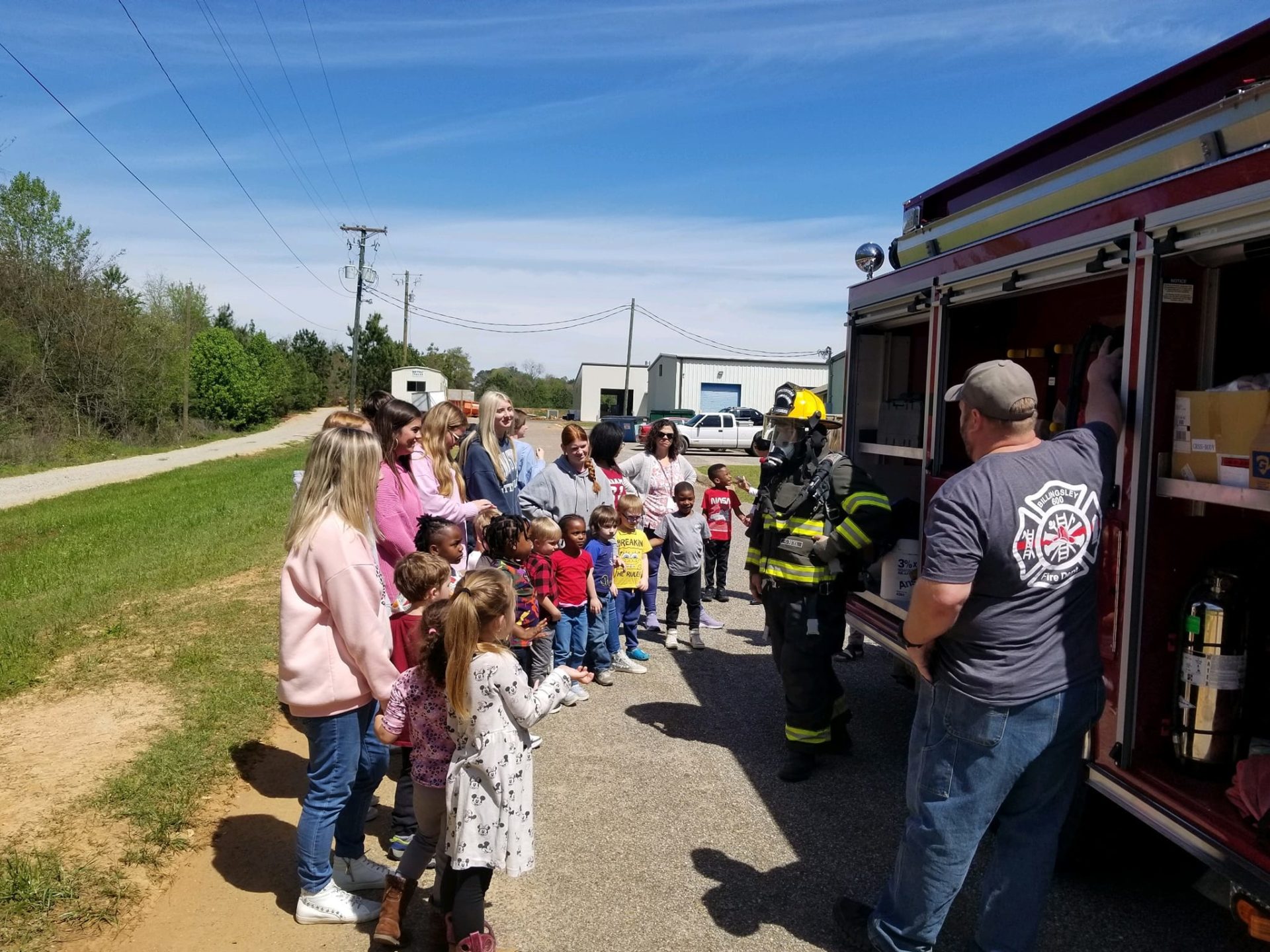
Building community trust is reinforced by meaningful interactions at family events. Incorporating hands-on experiences, such as fire truck tours or smokehouse demonstrations, empowers families to learn vital safety skills while becoming familiar with firefighters. Opportunities to ask questions and share stories create a reciprocal relationship, encouraging families to view your department not just as responders, but as neighbors dedicated to their well-being. This approach not only strengthens connections but also cultivates a supportive environment where community members feel valued and heard.
How to Identify Your Audience
Understanding your audience is imperative for creating impactful events. Start by gathering data on community demographics such as age, family structures, and interests. This can involve surveys, social media insights, and attending local meetings. Utilize this information to discern who will benefit most from your events, ensuring that your efforts are not only well-attended but also meaningful to the participants.
Assessing Community Needs
Assessing community needs involves direct engagement with residents to uncover their interests and concerns. Hosting focus groups or distributing questionnaires allows you to gather firsthand feedback, helping to identify specific topics related to fire safety, educational workshops, or family fun activities. This insight enables you to prioritize what matters most to your audience and align events accordingly.
Tailoring Events to Families
To effectively engage families, consider their unique preferences and schedules. Events should incorporate activities suitable for various age groups, such as hands-on fire safety demonstrations for kids and informational sessions for parents. Scheduling events on weekends or evenings can maximize attendance, allowing families to participate without conflicts from school or work.
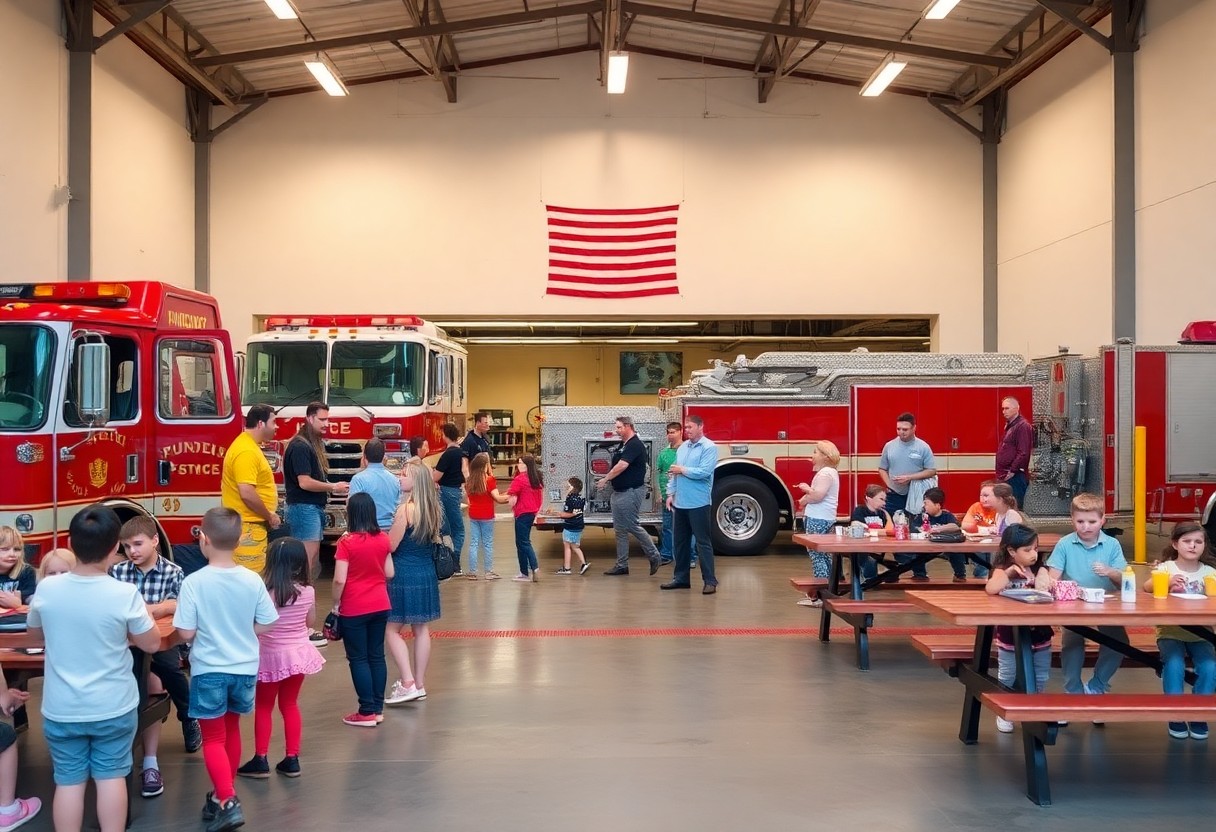
Incorporating specific family-friendly features can significantly enhance participation. For example, consider setting up interactive booths where children can explore fire trucks or meet firefighters in a casual setting. Including food options, entertainment like face painting and games, and structured timing for various activities ensures that families are provided with a comprehensive, enjoyable experience that strengthens their connection to the fire department. Engaging your audience in this way fosters lasting relationships and builds community trust in services.
Essential Tips for Planning Successful Events
To strengthen community ties and promote fire safety, you must focus on key elements when planning your events. Start by defining your event’s purpose and audience. Utilize local resources such as schools and community centers. Promote the event through social media and local channels to maximize reach. Establish a budget early on to avoid overspending. Collect feedback after the event to improve future gatherings. Focus on collaboration with other organizations. Engagement is crucial; incorporating interactive elements will draw in families. Thou should follow these tips for a successful turnout.
Choosing the Right Venue
The venue plays a pivotal role in your event’s success. You should assess accessibility for families, considering factors such as parking, public transport, and child-friendly facilities. Locations such as parks or community halls are often best suited for large gatherings. Selecting a venue that resonates with fire safety themes, like a fire station or community center with fire safety exhibits, can enhance the educational aspect while allowing ample space for activities. Research supplemental amenities, ensuring they align with safety standards.
Creating Engaging Activities
Engaging activities are crucial to attract families and encourage participation. Implementing hands-on experiences such as fire safety demonstrations, obstacle courses mimicking firefighters’ tasks, or interactive storytelling sessions can leave a lasting impression. Consider incorporating challenges that involve teamwork, fostering community spirit. Offer prizes for participation and completion of activities, as these incentives can enhance interest and encourage engagement.
Incorporating diverse activities ensures all age groups enjoy the event. For example, a fire truck ride for kids can excite younger attendees, while workshops on fire safety for adults can impart crucial knowledge. You might include a scavenger hunt related to fire safety trivia or a first-aid booth for families to learn vital skills. Collaborating with local businesses for sponsorships can also provide necessary resources for setting up these engaging activities, enriching the experience. Make each interaction memorable by emphasizing fun while keeping safety at the forefront.
Factors to Consider for Effective Promotion
To maximize community engagement, evaluate key factors affecting your event’s promotion. Identify your target audience and tailor your messaging accordingly. Utilize effective promotional channels to reach your audience, leveraging local media, schools, and community boards. Keep in mind the timing of your promotions to build momentum as the event date approaches. Consider creating visually appealing marketing materials that highlight the event’s offerings. Assume that word-of-mouth will be your best ally; encourage attendees to share details within their networks.
Utilizing Social Media
Social media platforms can amplify your event’s reach significantly. Create engaging posts featuring images and videos from past events to showcase the fun and educational aspects. Utilize Facebook Events to create buzz and allow attendees to RSVP, facilitating better planning. Target specific demographics you want to engage by utilizing paid promotional tools on these platforms. Regular updates can maintain interest and encourage shares.
Partnering with Local Businesses
Collaboration with local businesses can enhance your event’s credibility and visibility. Reach out to businesses for sponsorships or in-kind donations, such as food, equipment, or prizes that enrich the event experience. In return, offer them recognition through promotional materials or social media shout-outs. This mutually beneficial relationship helps bolster community ties and demonstrates local support for safety initiatives.
Local businesses are often eager to engage in community efforts that enhance their reputation. When you forge these partnerships, consider organizing joint promotions, such as discounts for event attendees or exclusive giveaways. Additionally, invite local businesses to set up booths at your event, providing them with direct access to potential customers while enriching your event with variety. Establishing these connections not only boosts your event’s profile but also lays a foundation for long-term community support.
Tips for Ensuring Event Safety
Prioritizing the safety of your family-friendly event fosters a positive atmosphere and strengthens community trust. To achieve this, consider the following tips:
- Conduct a thorough risk assessment.
- Have a clear emergency plan in place.
- Ensure all participants are aware of the plan.
- Utilize proper signage for safety information.
- Maintain clear pathways for emergency response vehicles.
Thou must also have trained personnel ready to respond to any unforeseen incidents.
Fire Department Involvement
Engaging your local fire department in the planning process ensures that your event aligns with safety protocols. They can provide valuable insights on fire prevention measures, assist with safety demonstrations, and even participate in activities, helping to forge connections and build trust within your community.
Emergency Preparedness Guidelines
Your event should include robust emergency preparedness guidelines to manage potential risks effectively. This encompasses creating a clear action plan, training volunteers in emergency response, and establishing communication channels among attendees. You can also set up designated first aid stations, ensuring easy access to medical assistance when needed.
To solidify your emergency preparedness strategy, establish specific protocols for various scenarios, from medical emergencies to severe weather events. Utilize a detailed checklist that outlines roles for volunteers and ensure they receive proper training. Conduct drills before the event to familiarize everyone with their responsibilities, and maintain open lines of communication with local emergency services. Investing time in these preparations not only enhances safety but also provides peace of mind to your attendees. Thou shall prioritize these elements to ensure a secure and enjoyable experience for all involved.
Gathering Feedback for Future Improvements
After your event concludes, gathering feedback is vital for refining future experiences. Implementing a structured approach not only helps you identify what worked well but also highlights areas needing enhancement. This process fosters ongoing community engagement and demonstrates your commitment to continuous improvement.
Surveys and Discussions
Utilizing surveys and engaging in open discussions post-event allows you to capture valuable insights from attendees. Provide simple, accessible surveys via tools like Google Forms or SurveyMonkey, focusing on specific aspects such as activities, organization, and overall satisfaction. Encourage candid feedback through informal discussions, ensuring a diverse range of perspectives.
Implementing Changes
After analyzing the feedback collected, it’s vital to prioritize and implement changes for future events. This step transforms your community’s suggestions into actionable improvements, fostering stronger connections between the fire department and families.
To effectively implement changes, categorize feedback into strengths and weaknesses, then prioritize actionable items based on feasibility and impact. For instance, if attendees request more interactive fire safety demonstrations, explore extending partnerships with local schools for educational programs. By visibly addressing community concerns, you enhance trust and participation in future events, ultimately cultivating a thriving relationship between the fire department and residents.
Final Words
Following this guidance will empower you to successfully plan family-friendly events that foster strong connections between your community and fire department. By emphasizing communication, accessibility, and inclusivity, you can create memorable experiences that not only educate but also enrich relationships within your community. Focus on fun, interactive elements and be responsive to participants’ needs to ensure a lasting impact. Ultimately, these events will build trust, appreciation, and collaboration, creating a safer and more engaged community for everyone.