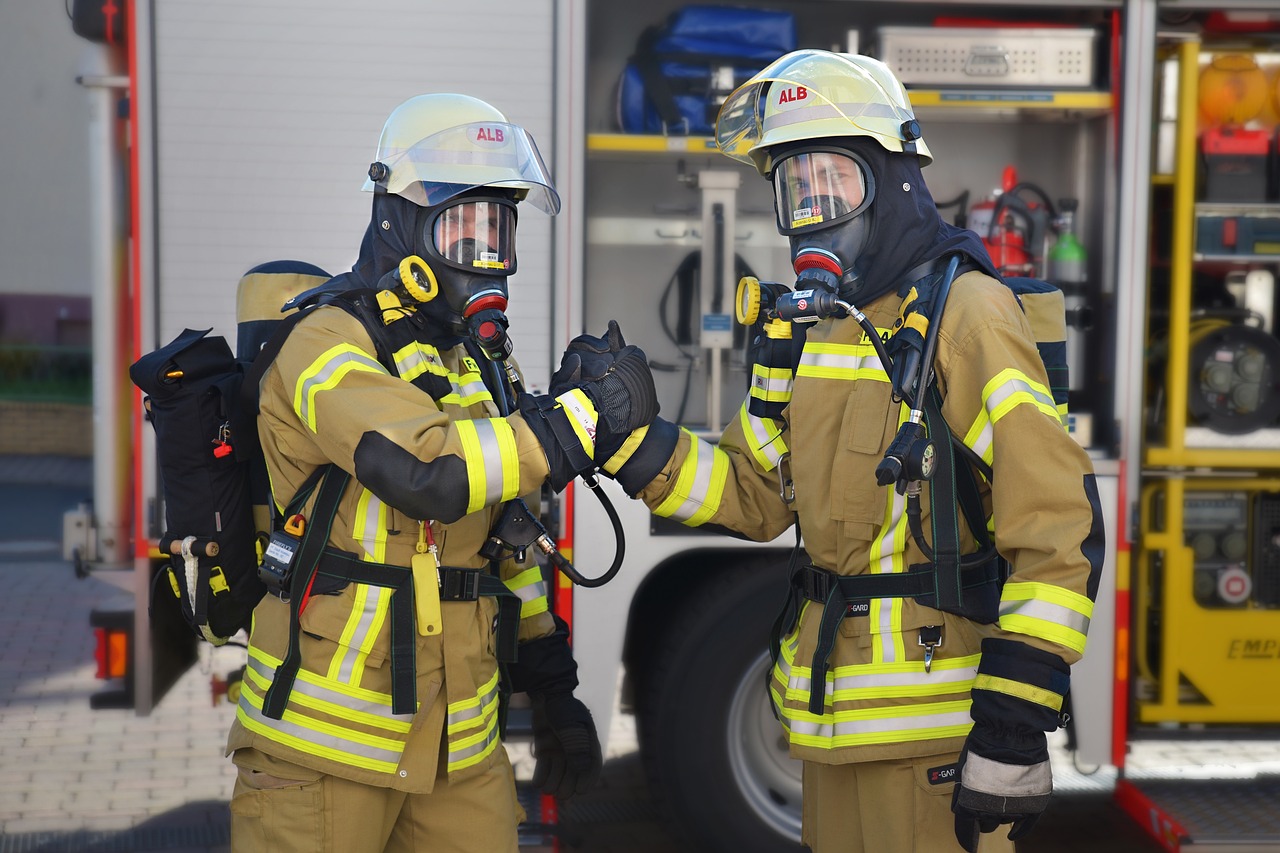
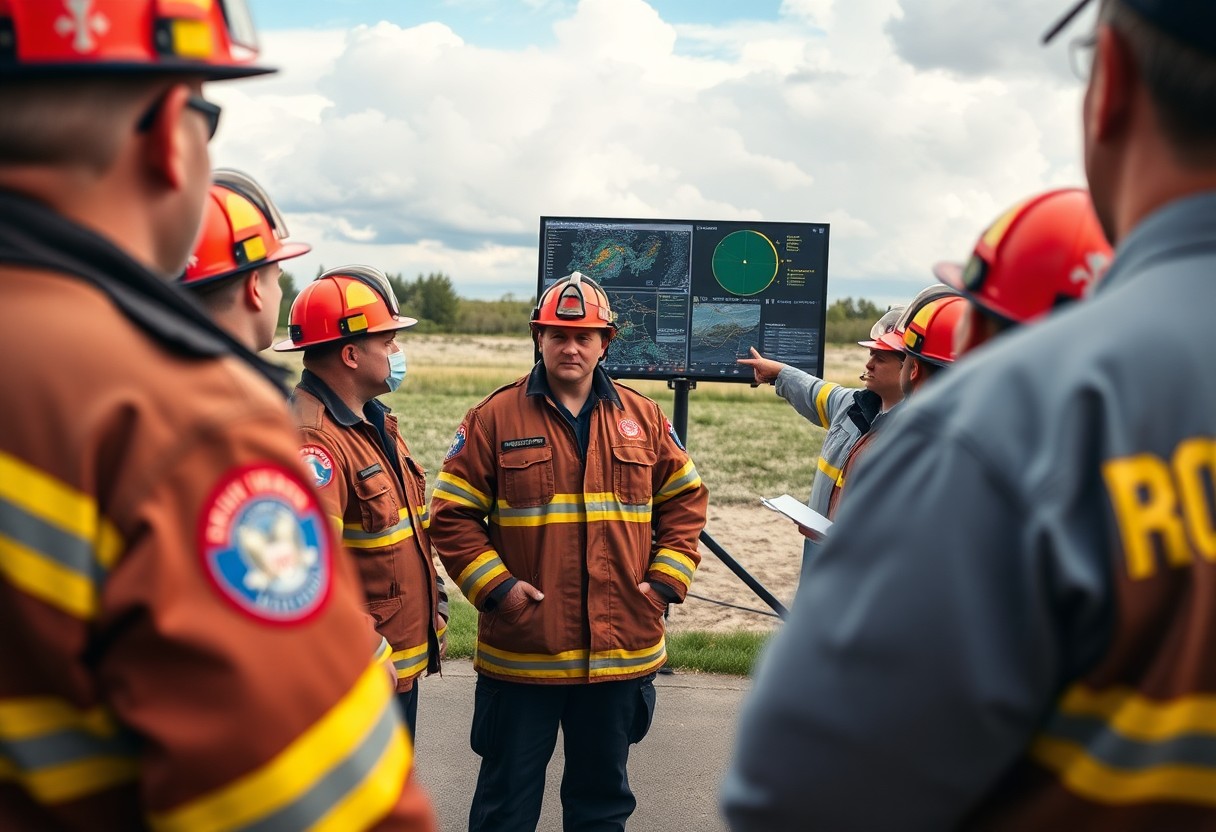
There’s an opportunity for your volunteer fire department to enhance its emergency response capabilities by participating in Skywarn training. This program equips you with the skills to recognize and report severe weather conditions, improving communication among responders and ensuring public safety during storm events. By understanding weather patterns and threats, you can take proactive measures to protect both your team and the communities you serve. Additionally, fostering partnerships with meteorologists can lead to better-informed decisions in times of crisis.
Understanding Skywarn Training
Skywarn training equips you with the knowledge to recognize and report severe weather conditions, particularly thunderstorms, tornadoes, and flash floods. Through a series of workshops and practical exercises, you learn how to identify hazardous weather patterns, utilize detection tools, and communicate effectively with the National Weather Service. This training is necessary for enhancing your observational skills and preparing you for real-world emergency scenarios.
What is Skywarn?
Skywarn is a volunteer program established by the National Weather Service that trains volunteers to observe and report severe weather phenomena. Participants learn to identify signs of dangerous storms and provide timely, accurate information to meteorologists, improving community preparedness and response efforts. Your involvement can lead to life-saving actions during severe weather events.
Importance of Skywarn Training for Emergency Responders
As an emergency responder, participating in Skywarn training enhances your ability to assess weather-related threats. Understanding the weather helps you make informed decisions during rescue operations and improves communication with local residents. This training directly contributes to the safety and efficiency of your team’s responses to severe weather incidents.
Engaging in Skywarn training allows your department to establish a reliable communication link with the National Weather Service, fostering a coordinated response during emergencies. By honing your skills in recognizing storm development and sharing real-time data, your team can more effectively issue timely alerts to the public, ultimately saving lives and minimizing property damage. The knowledge gained empowers you to act decisively and confidently, ensuring that your community is prepared and informed in the face of severe weather challenges.
Benefits for Volunteer Fire Departments
Participating in the NWS SKYWARN Storm Spotter Program provides valuable advantages for volunteer fire departments. Enhanced weather awareness allows you to accurately assess and report severe weather conditions, ultimately aiding in resource allocation and operational readiness during storms. These skills not only empower your team but can also save lives by ensuring timely responses to evolving weather situations.
Enhanced Weather Awareness
With Skywarn training, you develop a deeper understanding of meteorological phenomena, enabling you to identify the signs of severe weather. This comprehensive knowledge allows you to monitor conditions in real-time and relay important information to your department and community. You gain the ability to distinguish between different storm types and their respective dangers, which improves overall situational awareness.
Improved Community Safety and Preparedness
Engaging with Skywarn training enhances your department’s capabilities in safeguarding the community. When you recognize severe weather patterns, you can disseminate critical alerts and safety messages, empowering residents to take precautionary measures. This proactive approach not only minimizes injuries but also reduces property damage during severe weather events.
By fostering a culture of preparedness, you contribute to a more resilient community. Establishing partnerships with local agencies through Skywarn creates a network of information sharing, helping everyone stay informed. Regular drills and community outreach further enhance the overall knowledge base, ensuring that residents are equipped with the skills and resources they need when severe weather strikes. Ultimately, this commitment leads to improved response times and a safer environment for all.
Real-World Applications of Skywarn Training
Skywarn training can lead to enhanced situational awareness in your community, significantly improving emergency response during severe weather events. With hands-on experience in identifying and reporting weather phenomena, you can contribute to faster, more efficient mobilization of resources and aid during emergencies. This proactive approach can greatly reduce damage and improve safety for residents.
Case Studies of Successful Responses
Numerous instances demonstrate the effectiveness of Skywarn training in real-life scenarios.
- 2018 Hurricane Florence: Trained volunteers reported over 300 severe weather sightings that informed first responders, resulting in 40% quicker evacuations.
- 2019 Tornado Outbreak: Volunteers’ reports led to accurate warnings, decreasing casualties by 30% compared to previous years.
- 2020 Severe Thunderstorm in Texas: Rapid reporting by Skywarn-trained personnel allowed for timely deployment of emergency services, reducing property damage by $2 million.
Integration with Fire Department Operations
Incorporating Skywarn training into your fire department’s operations fosters a well-coordinated response to severe weather. Regular collaboration ensures that trained volunteers are seamlessly integrated into emergency management plans. You can enhance communication channels, allowing for clearer sharing of critical weather updates and immediate resource allocation. This synergy not only improves response times but also ensures that all personnel are prepared to act decisively when severe weather strikes.
Training and Resources for Volunteer Fire Departments
Effective training is crucial for volunteer fire departments to leverage Skywarn benefits fully. Access comprehensive resources, including the Skywarn FAQs, to understand the program better and learn about severe weather patterns affecting your area. Engaging in ongoing education elevates your team’s readiness and response capabilities during emergencies.
Available Skywarn Training Programs
Skywarn offers various training programs tailored for individuals and groups within your department. These programs provide detailed information on identifying severe weather, reporting techniques, and safety protocols. Each session equips you with skills to serve your community effectively, ensuring that your knowledge stays current with evolving weather patterns.
Collaboration with Local Weather Services
Forming partnerships with local weather services enhances your department’s ability to monitor and respond to severe weather threats. Connecting with meteorologists provides you with expert insights and timely updates, allowing for a coordinated response strategy that can save lives. Your proactive engagement in these collaborations strengthens community resilience.
These collaborations can include regular briefings with local meteorologists, participating in joint training exercises, and sharing data during severe weather events. By fostering this relationship, you not only benefit from expert weather monitoring but also enhance your department’s situational awareness and operational efficiency during critical situations. Your proactive approach ensures that you are prepared to handle emergencies, significantly improving public safety and response times.
Overcoming Challenges in Training Implementation
Implementing training in volunteer fire departments presents unique challenges. Limited time, funding, and the diverse experience levels of volunteers can create hurdles in fully utilizing Skywarn training. By developing a structured approach to training that accommodates various schedules and backgrounds, you can ensure the necessary information is effectively conveyed, leading to a consistently prepared team.
Addressing Resource Limitations
Your volunteer fire department may face resource constraints, hindering the implementation of Skywarn training. Tapping into local community grants, seeking partnerships with nearby departments, and utilizing online training modules can alleviate some financial pressures. By pooling resources, you can enhance training offerings without straining your budget.
Encouraging Volunteer Participation
Motivating volunteers to participate in Skywarn training can be challenging, especially when they juggle multiple commitments. Highlighting the personal and community benefits of the training-such as increased storm awareness and enhanced public safety-can foster greater engagement. Consider offering incentives like recognition programs or small rewards to further boost attendance.
To foster participation, create an encouraging environment emphasizing the value of each member’s input. Share success stories from other departments where Skywarn training made a significant impact during severe weather events. Use social media, community newsletters, and departmental meetings to communicate these benefits, motivating volunteers to engage actively and feel valued within your team. Additionally, schedule training sessions at convenient times and consider providing transportation for those facing logistical challenges.
Future of Skywarn Training in Fire Departments
As the landscape of emergency response evolves, the future of Skywarn training in fire departments looks promising. Embracing advanced technologies and innovative strategies will enhance your ability to respond to severe weather events, increasing safety and efficiency.
Innovations in Training Techniques
Adopting new training techniques, such as virtual reality simulations and mobile apps, can significantly enhance your experience with Skywarn training. These innovations allow you to practice real-world scenarios in a controlled environment, improving decision-making skills during actual weather emergencies.
Potential Partnerships and Funding
Forging partnerships with local weather services, educational institutions, and private organizations can open doors for additional funding and resources for Skywarn training. Collaborative efforts may lead to access to grants or sponsorships that reduce the financial burden on your fire department.
Specific partnerships with organizations such as the National Weather Service can provide your department with tailored training programs and resources. Engaging with local universities may result in research funding that supports technology integration in training. Additionally, forming alliances with community businesses can lead to sponsorships that offset costs, making it easier for you to secure necessary resources for effective Skywarn training, ultimately enhancing your preparedness for severe weather events.
To wrap up
Ultimately, by engaging in Skywarn training, you empower your volunteer fire department to enhance community safety through timely weather alerts and effective response strategies. This knowledge equips you and your team to better assess severe weather conditions, ultimately improving your operational readiness and effectiveness during emergencies. Leveraging the skills gained through this training not only enhances your department’s capabilities but also fosters stronger community ties, as you become a vital resource during critical weather events.