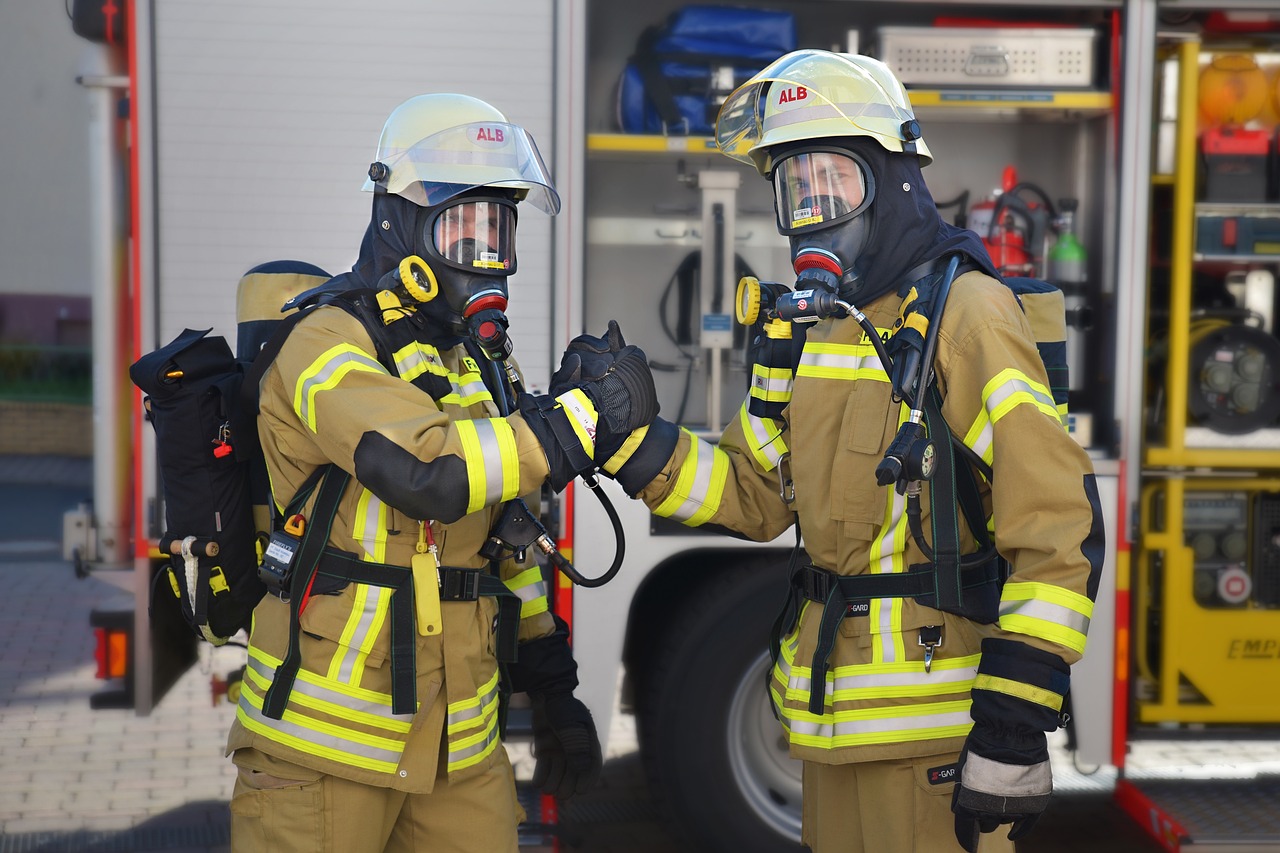
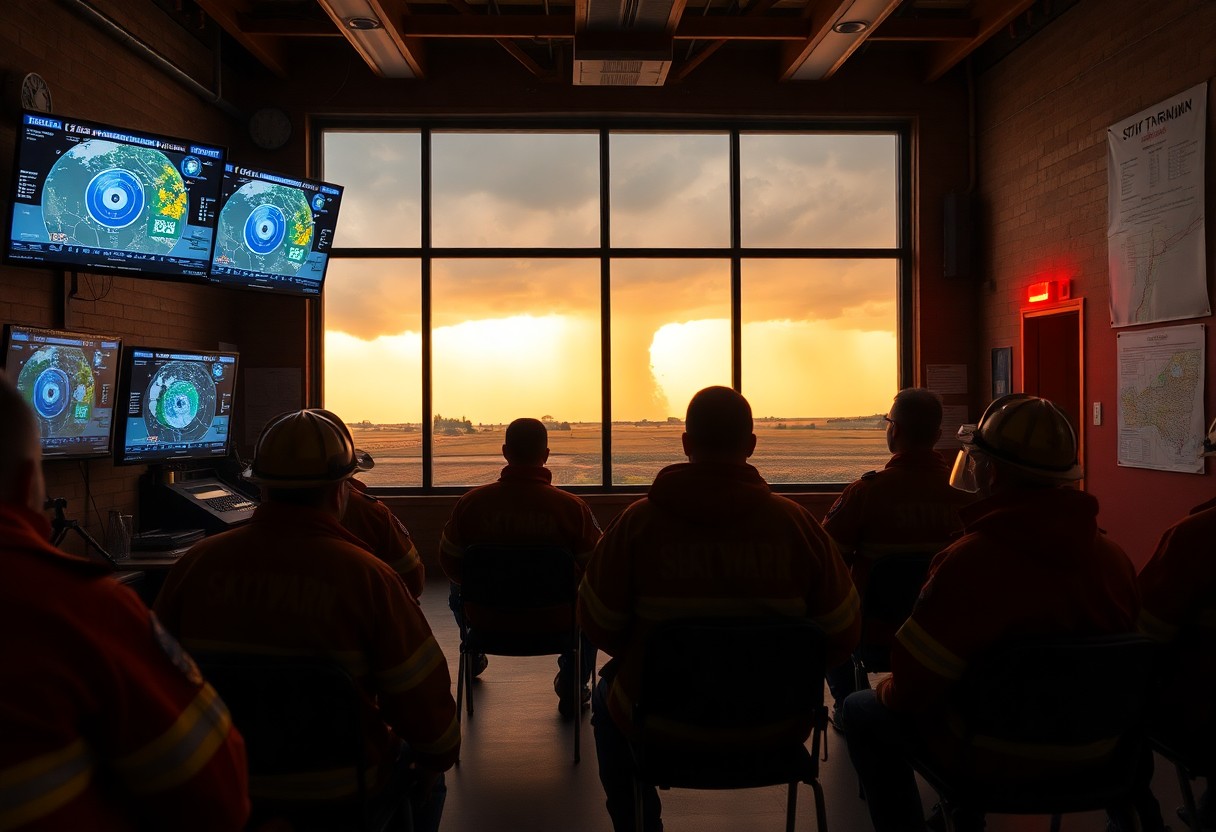
Response effectiveness during severe weather can significantly impact your community’s safety. By utilizing Skywarn training, you can enhance storm response capabilities within your rural fire services. This training equips you with necessary skills to recognize and report hazardous conditions, ensuring that your team is prepared to act decisively. Implementing the knowledge gained through Skywarn will not only improve your response strategies but also foster community resilience against storm-related incidents.
Understanding Skywarn Training
Skywarn training equips you with crucial skills to identify and report severe weather patterns, enhancing local responses to storms. Through the Skywarn Storm Spotter Program, you learn to recognize dangerous weather signs, enabling timely alerts and preparedness within your community.
Overview of Skywarn
The Skywarn program is a cooperative effort among weather agencies and volunteers, focused on collecting real-time storm reports from trained spotters. Participants undergo training sessions to understand storm formation, identification techniques, and reporting protocols. By sharing valuable observations, spotters bridge the gap between the public and meteorologists, enhancing overall situational awareness.
Importance for Rural Fire Services
For rural fire services, effective skywarn training translates directly into improved safety and operational efficiency. With limited resources and personnel, timely information from trained spotters ensures rapid response to emergent weather threats. This proactive approach leads to better decisions, protecting both life and property during severe weather incidents.
In a study conducted by a regional fire department, implementing trained spotters reduced response times to severe weather-related incidents by as much as 30%. This efficiency stems from the immediate reporting of conditions like tornadoes or flash floods, which can dramatically impact rural areas with dispersed populations. As these responders relay information directly to your team, it allows you to mobilize equipment and personnel effectively, ultimately improving outcomes during critical events.
How-to Implement Skywarn in Your Fire Service
Integrating Skywarn into your fire service enhances communication and storm response effectiveness. You must establish a procedure to inform your team and the community about severe weather. This involves setting up routines to relay reports and ensuring all members know how to utilize the provided training in real-time situations.
Step-by-Step Training Setup
| Step | Description |
| 1 | Contact local Skywarn coordinators to schedule sessions. |
| 2 | Gather personnel and resources for training. |
| 3 | Conduct interactive workshops covering weather basics and reporting procedures. |
| 4 | Implement simulation exercises to practice response strategies. |
| 5 | Evaluate performance and provide feedback for continuous improvement. |
Engaging Community Volunteers
Involving community volunteers maximizes your Skywarn program’s impact. By educating local residents about storm spotting and reporting, you expand your response network significantly. Volunteers can relay critical information, aiding in timely warnings and improving overall safety.
Recruiting volunteers from the community not only broadens your information-gathering capabilities but also fosters a sense of ownership and responsibility for local safety. Host informational sessions to attract participants, emphasizing how their involvement directly contributes to the community’s well-being during severe weather events. Consider creating a recognition program to acknowledge their contributions, which can motivate ongoing volunteer participation and strengthen your collaboration with the community.
Tips for Effective Storm Response
To optimize your storm response, focus on clear communication and preparedness at all levels. Ensure your team is well-trained in using Skywarn protocols and establish a command hierarchy. Regular drills can keep your skills fresh and improve coordination. Utilize local resources to gather real-time weather updates and community reports. Post-storm assessments can help refine your strategies, while foster partnerships with neighboring services enhances overall effectiveness. Recognizing these elements can significantly boost your storm response capabilities.
Real-Time Communication Strategies
Effective storm response relies heavily on real-time communication. Utilize mobile apps and group messaging platforms to share urgent weather alerts and safety updates. Team members should be equipped to report conditions quickly, using standardized messaging templates for consistency. Setting up a central communication hub facilitates leadership in tracking updates and relaying necessary information swiftly to all personnel involved.
Leveraging Technology in Storm Tracking
Integrating technology into storm tracking enhances your rural fire service’s situational awareness. Utilizing advanced radar systems and weather apps can provide critical data that informs your response strategy. Consider investing in automated alerts and alerts from local meteorological services to stay ahead of approaching storms. You can also leverage social media for real-time community feedback, which can guide your efforts more effectively.
Technology presents a wealth of resources for storm tracking beyond traditional methods. Drones, for instance, can offer aerial views of damaged areas, allowing for quicker assessments. Geographic Information System (GIS) mapping enables precise tracking of storm paths and manifests hazardous situations visually. Moreover, employing machine learning algorithms to analyze historical weather data can predict future patterns, optimizing your preparation and resource allocation. Embrace these tech tools as integral components of your storm response, making each mission safer and more effective.
Factors Influencing Storm Response Effectiveness
Several elements affect the effectiveness of your storm response, impacting safety and recovery. These factors include training quality, community involvement, resources available, and real-time information. Engaging in programs like the NWS SKYWARN Storm Spotter Program equips your team with vital skills. Perceiving these factors accurately can lead to an improved response during severe weather events.
Community Preparedness
Your community’s preparedness directly influences storm response efficiency. When residents are educated about severe weather risks and emergency protocols, they are more likely to act quickly and effectively during storms. Encouraging local engagement through drills and awareness campaigns strengthens overall resilience.
Coordination with Local Agencies
Your storm response capabilities greatly improve when you coordinate efforts with local agencies. Establishing reliable communication channels ensures that vital information flows seamlessly among fire services, law enforcement, and emergency management teams. Joint training exercises enhance teamwork, laying the groundwork for a coordinated approach during emergencies.
Evaluating Training Program Success
Assessment is vital in determining the success of your Skywarn training program. By analyzing participant engagement, storm response efficacy, and community feedback, you can identify strengths and areas for improvement. Tracking changes in response times and accuracy of weather reporting post-training reveals the practical impact of the program on your fire service’s operations.
Metrics for Assessment
To evaluate the effectiveness of your training, focus on specific metrics such as the number of accurate weather reports generated, response times during storms, and participant knowledge retention rates. Surveys and feedback from both participants and other responders can provide insights into how well the training translates to real-world scenarios, allowing for data-driven adjustments.
Continuous Improvement Practices
Implementing a feedback loop is necessary for refining your Skywarn training program. Regularly reviewing the data collected from assessments and soliciting input from participants will help you make informed adjustments to content and delivery methods.
Engaging in continuous improvement practices means scheduling regular evaluations of training sessions and incorporating lessons learned from each storm season. By establishing a routine for feedback collection and analysis, you enhance the relevance and effectiveness of your training. For example, if reports show a decline in proper reporting techniques, addressing this issue promptly through refresher courses will maintain high standards. Iteratively refining your program based on real-time feedback ensures that your fire service remains well-equipped to respond effectively to severe weather threats.
Building Partnerships for Better Outcomes
Fostering strong partnerships within your community is vital for improving storm response. Engaging local organizations, governmental bodies, and volunteers enhances resource sharing and coordination efforts. These collaborative relationships can lead to more effective and timely responses, ultimately saving lives and property.
Collaborating with Meteorologists
Establishing connections with meteorologists allows you to access real-time weather data and forecasts. By collaborating on reports, you can enhance your situational awareness and make informed decisions. This proactive approach can significantly reduce risks during severe weather events.
Networking with Other Fire Services
Connecting with neighboring fire services expands your network and bolsters your response capabilities. By sharing experiences, resources, and best practices, you can learn effective strategies that have been successful in similar rural scenarios. This collaboration is necessary for system-wide improvements and resilience.
Networking with other fire services not only helps in resource sharing but also fosters a culture of continuous learning. Organizing joint training exercises and regional meetings allows you to exchange insights on storm response techniques, tools, and technologies. By working together, you can develop a unified approach to tackle severe weather challenges. Additionally, these networks can serve as a vital support system during major incidents, enhancing operational efficiency and community safety.
Summing up
The integration of Skywarn training into your rural fire services significantly enhances your storm response capabilities. By equipping you and your team with the knowledge to recognize severe weather patterns and communicate effectively with the National Weather Service, you improve your preparedness. This proactive approach aids in better decision-making during storms, leading to increased safety for both responders and the community. Engaging in Skywarn training fosters a culture of collaboration, allowing you to share valuable information and coordinate efforts more efficiently during severe weather events.