
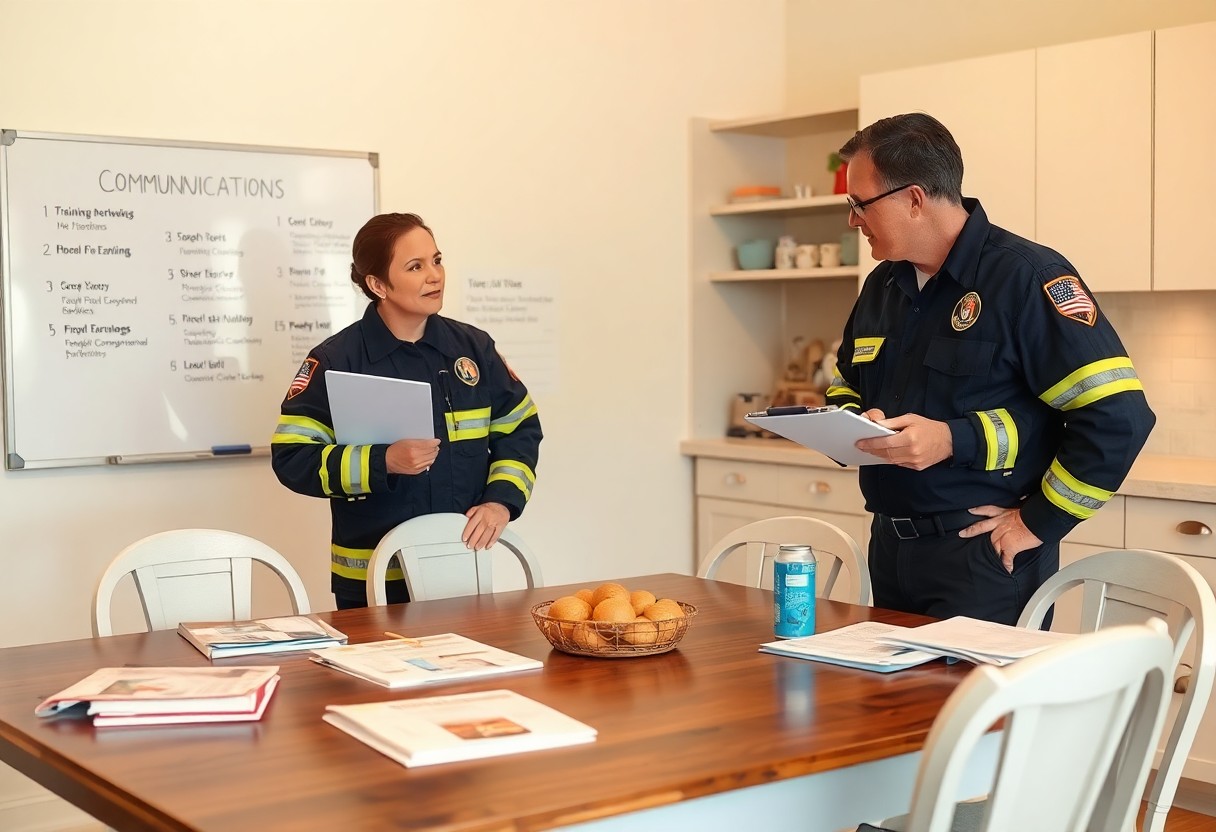
Leadership in the fire service involves not just managing emergencies but also enhancing communication among firefighters, their spouses, and department leaders. As you navigate the unique challenges of this profession, prioritizing open dialogue is vital for fostering trust and support. You can foster a healthier environment by recognizing the emotional and psychological demands placed on both the individuals in the field and their families. This guide will equip you with practical strategies to improve effective communication and strengthen relationships throughout your firefighting community.
Key Takeaways:
- Establish regular communication channels to facilitate open dialogue between firefighters, their spouses, and department leaders.
- Create a structured program to provide educational resources about the challenges of firefighting and its impact on families.
- Encourage shared experiences by organizing family-oriented events that strengthen bonds and build mutual understanding.
- Implement feedback mechanisms to address concerns and provide a platform for continuous improvement in communication practices.
- Promote mental health support initiatives to help both firefighters and their families navigate stressors associated with the profession.
Understanding the Importance of Communication
Effective communication is vital to the success of any firefighting unit, connecting firefighters, spouses, and department leaders. It fosters a supportive culture, enhances operational efficiency, and ensures that all voices are heard. Through clear communication, misunderstandings can be minimized, leading to improved morale and teamwork. In this high-stakes environment, your ability to convey thoughts and feelings openly can significantly impact both personal and professional relationships.
Factors Affecting Communication
Several key factors influence the quality of communication in fire departments. These include the underlying organizational culture, individual communication styles, and the medium used for messages. Time constraints, high-stress situations, and emotional intensity can also create barriers. Your approach matters; actively addressing these factors can lead to clearer interactions.
- Organizational culture
- Communication styles
- Medium of communication
- Time constraints
- Emotional intensity
Thou must prioritize understanding these dynamics to build strong channels of communication.
The Role of Trust and Transparency
Trust and transparency are vital components in improving communication. When firefighters and their families perceive a genuine commitment to openness from department leaders, they are more likely to share concerns and insights without fear of repercussions. This creates a safe space for constructive dialogue, reinforcing teamwork and collaboration.
For instance, regular meetings where leaders share updates and encourage feedback can strengthen trust. Transparency about departmental changes, challenges, and expectations allows all members to feel involved in decision-making processes, fostering a sense of unity. When firefighters know their opinions are valued, they contribute more effectively, enhancing team cohesion. Thou must cultivate trust to empower and engage every voice within your firefighting community.
How to Communicate Effectively with Your Spouse
Open and honest communication is necessary in nurturing your relationship amidst the demands of life as a firefighter. Setting aside dedicated time for meaningful conversations can profoundly strengthen your connection. Aim to discuss your day-to-day experiences, emotions, and challenges. This approach not only enhances your bond but also fosters empathy and understanding, ultimately leading to a more resilient partnership.
Tips for Active Listening
Active listening enhances mutual understanding and demonstrates respect. To practice it effectively, focus on your spouse’s words and body language while minimizing distractions. Reflect back what you’ve heard and ask clarifying questions. This engages both parties and confirms comprehension, leading to deeper discussions.
- Make eye contact to show engagement.
- Respond appropriately with affirmations.
- Avoid interrupting while your spouse speaks.
- Summarize key points to ensure accuracy.
Perceiving their feelings accurately strengthens your emotional connection.
Strategies for Sharing Experiences
Sharing experiences creates an engaging dialogue that encourages deeper connection. Consider setting aside time for dedicated sharing sessions, discussing both significant incidents and routine days. Utilize storytelling techniques to express feelings and reactions related to your experiences as a firefighter, as this can help your spouse understand the emotional context. Be open to their stories as well, creating a reciprocal sharing environment that emphasizes vulnerability and support.
Developing strategies for sharing experiences can transform your relationship dynamic. By recounting incidents from your shifts, you provide insights into your life that may be hard for your spouse to grasp otherwise. Lean on specific examples, such as challenging calls or emotional moments, to illustrate your feelings. Likewise, invite your spouse to share their daily narratives to create a well-rounded exchange, fostering empathy and collaboration in navigating life together.
Engaging Firefighters in Open Dialogue
Effective communication requires engaging firefighters in open dialogue, ensuring their voices are heard. Providing a platform where team members can express their thoughts fosters trust, builds camaraderie, and enhances overall morale. Regularly scheduled meetings, whether in-person or virtual, can serve as productive forums for discussing issues and sharing ideas. Utilize these gatherings to focus on both operational updates and personal experiences, allowing for a holistic approach to communication.
Encouraging Feedback and Input
Soliciting feedback and encouraging input from firefighters makes them feel valued and connected to the department’s mission. Consider implementing anonymous surveys periodically to gather honest opinions on policies, training, and workplace culture. This can lead to actionable insights that directly benefit day-to-day operations and the overall health of your team.
Creating Safe Spaces for Conversation
Establishing environments where firefighters feel safe to share their thoughts is vital for fostering genuine dialogue. You can promote open exchanges by creating informal discussion groups or designated times for one-on-one conversations with leadership. This approach enhances transparency and reduces fear of judgment, leading to greater honesty and collaboration within the team.
Creating safe spaces for conversation goes beyond just physical locations or scheduled times; it involves cultivating a culture of respect and acceptance. You might consider hosting regular team-building activities that emphasize trust and personal connection among members. Encourage open policy discussions without repercussion, showing your team that their perspectives are not only welcomed but appreciated. This commitment to safety in dialogue can lead to improved problem-solving and innovation within your department.
Strengthening Relationships with Department Leaders
Developing solid connections with department leaders enhances trust and collaboration. Mutual understanding facilitates the decision-making process, allowing for more cohesive team dynamics. When firefighters feel their input is valued, it leads to improved morale and efficiency on the job. Establishing regular feedback mechanisms can strengthen these relationships further, ensuring everyone involved feels respected and heard.
Tips for Professional Communication
To strengthen interactions with department leaders, focus on professional communication practices.
- Keep messages clear and concise.
- Be transparent about concerns and suggestions.
- Utilize frequent check-ins to maintain dialogue.
- Establish goals before meetings to stay focused.
Assume that addressing issues promptly can prevent misunderstandings and foster stronger relationships.
Building Mutual Respect and Understanding
Creating mutual respect involves actively listening to department leaders, acknowledging their challenges, and offering constructive feedback. Building rapport through shared experiences, such as team activities or joint training sessions, fosters a more collaborative environment. This foundation of respect encourages open conversations, reducing barriers and promoting teamwork.
Active engagement is crucial in fostering a culture of mutual respect within your fire department. Initiatives like mentoring programs can bridge the gap between leadership and firefighters, allowing for shared experiences and insights. As department leaders openly share their goals and struggles, it gives you opportunities to demonstrate understanding and support. This reciprocal relationship creates a better work environment and enhances overall team performance. Solving issues together not only empowers you but also strengthens the bond across the board.
Utilizing Team-Building Activities
Engaging in team-building activities can significantly enhance communication between firefighters, their spouses, and department leaders. These activities create an environment where all parties can bond outside of high-stress situations, fostering trust and understanding. Incorporating both physical and mental challenges not only strengthens relationships but also reveals individual strengths and weaknesses that can be addressed in a supportive setting.
Collaborative Exercises
Implementing collaborative exercises such as group problem-solving tasks or scenario-based training can enhance teamwork. These activities encourage open dialogue, showing how each member contributes to overcoming challenges. Not only do they fortify relationships among firefighters, but they also allow spouses and leaders to witness the team dynamics in action.
Benefits of Social Interaction
Engaging in social interactions, such as shared meals or recreational outings, promotes a sense of community that extends beyond the firehouse. Building friendships through these informal settings makes it easier to communicate openly about feelings, concerns, and expectations. When you foster these relationships, it can lead to improved mental health and reduced stress for everyone involved.
Social interaction within the fire department leads to less isolation and more understanding among team members and their families. People often feel more comfortable discussing sensitive issues after they have engaged socially. According to the National Volunteer Fire Council, departments with strong social connections report a 20% increase in overall morale and communication effectiveness. These statistics support the notion that investing time in social activities pays off in creating a cohesive unit, where emotional support flows freely, enhancing resilience in high-stress environments.
Continuous Improvement in Practice
To enhance communication between firefighters, spouses, and department leaders, a focus on continuous improvement is vital. This dynamic approach fosters stronger relationships and encourages ongoing dialogue, allowing all parties to adapt to changing circumstances and improve their understanding of one another’s experiences.
Regular Check-Ins
Establishing regular check-ins is vital for maintaining open lines of communication. These scheduled touchpoints-whether weekly, bi-weekly, or monthly-allow everyone involved to discuss challenges, achievements, and feelings. Frequent interactions help in building trust and clarity, making it easier to address any issues that arise in a timely manner.
Importance of Adaptability
Adaptability is vital in the ever-evolving environment of firefighting. Both firefighters and their families must remain flexible to changes in schedules, work demands, and emotional needs. By being open to adjustments, relationships can weather unexpected challenges more effectively, resulting in a more supportive and understanding partnership.
For example, consider a firefighter who suddenly faces a change in shift patterns due to an emergency situation. Spouses might need to adapt home routines to accommodate this shift, which can decrease stress levels. Implementing adaptable communication strategies-like using shared calendars or mobile apps-can help manage these changes. Your ability to adjust and be flexible not only nurtures your relationship but also enhances overall team performance in the firehouse, allowing you to respond better to both personal and professional demands.
Summing up
Upon reflecting on the dynamics of communication among firefighters, their spouses, and department leaders, you must prioritize transparency and empathy. Establishing regular dialogue and creating supportive spaces for sharing experiences fosters understanding and strengthens bonds. Incorporating feedback mechanisms allows you to address concerns effectively while reinforcing mutual respect. By committing to open lines of communication, you enhance teamwork and support systems, ensuring that all parties feel valued and heard in the high-stress environment of firefighting.