
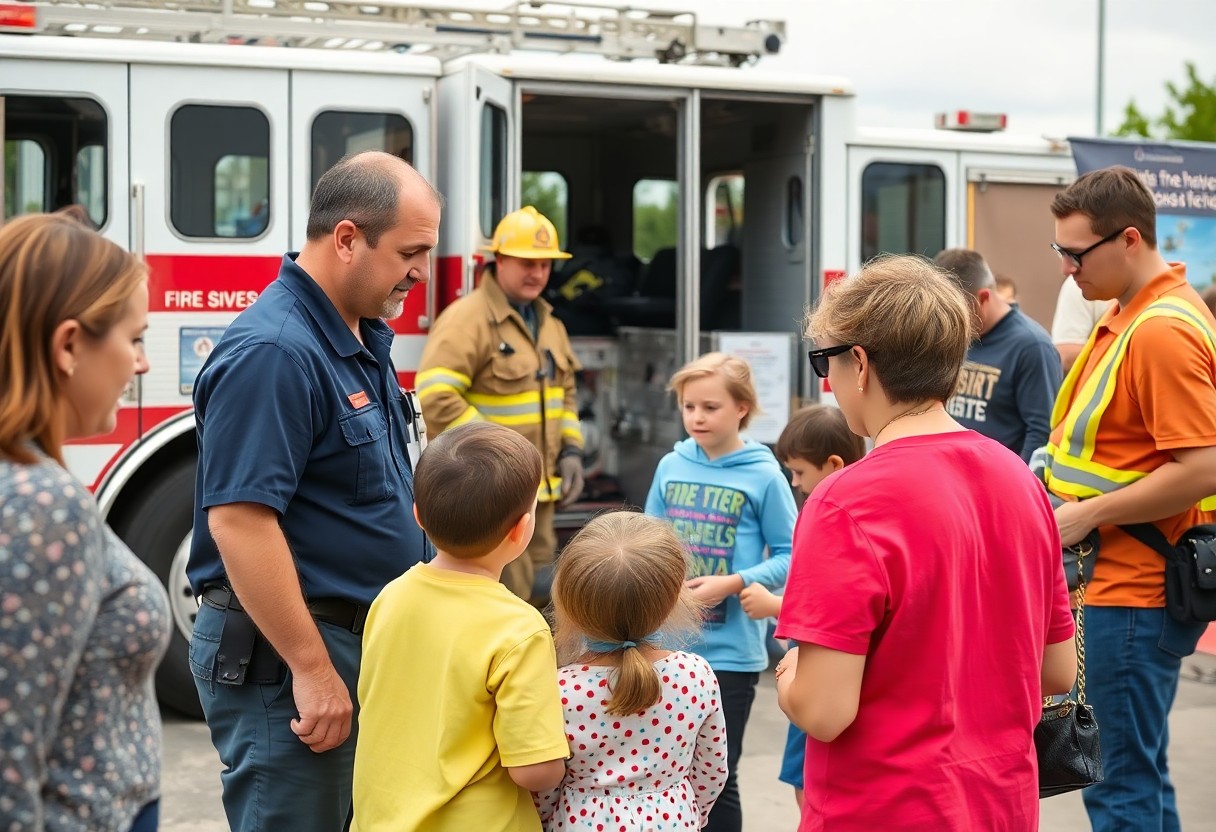
Families play a vital role in the fire service community, and engaging them meaningfully can enhance both morale and effectiveness. By actively involving families in training events and community outreach initiatives, you create a support system that strengthens both the operational and emotional aspects of firefighting. The benefits extend beyond the fire station, fostering a sense of belonging that cultivates long-term commitment and loyalty within your ranks. In this guide, you’ll learn strategies to integrate family members into your fire service mission.
Key Takeaways:
- Involve families in training sessions and educational events to strengthen their understanding of the fire service mission.
- Create family-oriented activities and volunteer opportunities to foster a sense of community and belonging.
- Communicate regularly with families about the fire service’s goals and successes to keep them informed and engaged.
- Establish feedback mechanisms for families to share their ideas and experiences, ensuring their voices are heard.
- Recognize and celebrate families’ contributions to the fire service, enhancing their investment in the mission.
Understanding Long-Term Engagement
Fostering long-term engagement requires a shift in focus towards community and family involvement. When families are integrated into the fire service mission, they gain insight into your challenges and aspirations, further solidifying their support. Such engagement transforms their view of the fire service from mere observers to active contributors. Investing in ongoing relationships encourages loyalty and commitment, ultimately benefiting both the individuals involved and the organization as a whole.
Importance of Family Involvement
Family involvement in the fire service is necessary for creating a supportive environment that enhances the morale and well-being of your firefighters. Engaging families fosters unity and strengthens community ties. When their loved ones are involved in the fire service, families develop a deeper understanding of the challenges faced, which can lead to greater emotional resilience and support during stressful times.
Benefits to the Fire Service
The benefits of family involvement extend beyond emotional support; they contribute to a stronger and more cohesive fire service. A family-oriented approach enhances volunteer retention rates by creating a multi-generational commitment to the fire service. Studies show that fire departments with active family programs experience a 30% increase in volunteer longevity, as families feel invested in your mission. Additionally, your department gains volunteers who are better prepared to face the rigors of service, as family members understand the demands and provide necessary encouragement.
Involving families can also lead to increased community outreach and safety awareness. Family members can act as ambassadors in their neighborhoods, sharing fire prevention tips and encouraging local engagement in safety programs. This outreach creates a stronger community bond and serves to elevate the public’s view of the fire service. As families become advocates, the department can benefit from enhanced community relations, leading to increased support and collaboration with local organizations and stakeholders, ultimately improving the effectiveness of your mission.
How-To Build Family Involvement
Engaging families in the fire service fosters a supportive environment and strengthens community ties. By integrating families into activities, you not only enhance their understanding but also empower them to contribute actively to the mission. Ensuring their participation builds a strong foundation for long-term engagement.
Creating Effective Communication Channels
Establishing clear communication channels is important for fostering family involvement. Utilize multiple platforms, such as newsletters, social media groups, and regular town hall meetings, to keep families informed and engaged. By encouraging two-way communication, you ensure families can voice their opinions, ask questions, and feel included in decision-making processes.
Developing Family-Focused Activities
Designing activities that specifically cater to families can greatly enhance their engagement. Options like family fun days, educational workshops, or safety training sessions create opportunities for families to bond with each other while learning about the fire service. Such activities demonstrate your commitment to inclusivity and the value placed on family participation.
Consider organizing themed events that highlight the fire service’s role in the community, such as ‘Fire Safety Family Day’ where families participate in hands-on fire safety demonstrations. You might also implement regular family nights featuring games, team-building activities, and opportunities for families to meet your firefighters. By offering a mix of social and educational events, you help strengthen family bonds and their connection to the fire service mission.
Tips for Engaging Families
Engaging families in the fire service mission involves consistent and targeted efforts. Implementing simple strategies can significantly enhance family involvement and support. Consider these approaches:
- Host family-friendly events to foster community.
- Provide regular updates on departmental activities.
- Encourage open communication to address family concerns.
- Incorporate families into volunteer activities.
- Create educational resources about fire safety.
Perceiving families as integral partners enriches the fire service mission and strengthens community ties.
Involving Families in Training Programs
Integrating families into training programs can enhance their understanding of the fire service while building camaraderie. For example, you might invite family members to participate in fire drills or safety demonstrations. This hands-on experience not only demystifies fire operations but also helps families appreciate the skills and teamwork involved. Such involvement fosters a sense of pride and connection, reinforcing your mission in the community.
Encouraging Volunteer Opportunities
Offering volunteer opportunities for families deepens their commitment to the fire service. Encourage participation in community outreach programs or events like open houses and safety fairs. By volunteering together, families create memorable experiences that strengthen bonds and reinforce their role in the fire service mission.
Moreover, facilitating family volunteer days allows your department to showcase its community impact while enabling loved ones to support their firefighters. Organizing team-building activities or family-led initiatives shows families the direct influence of their contribution. Not only does this engage the community, but it nurtures lasting connections between families and the fire service, fostering a unified mission and shared purpose.
Factors Influencing Family Engagement
Several factors significantly affect the level of family engagement in the fire service. Understanding these elements helps create a more inclusive environment. Key aspects include community culture, the presence of role models, access to information, and the alignment of department values with family priorities. By addressing these factors, fire services can foster stronger connections with families. Assume that by proactively engaging these influences, you can enhance overall support for the mission.
Community Needs and Expectations
Your community’s unique needs and expectations shape family engagement strategies. Families want to be informed about safety practices and community initiatives. Engaging them in open dialogues can foster a sense of shared responsibility and partnership in enhancing public safety. Tailoring your approach to address local concerns will strengthen community bonds.
Resources and Support Structures
Identifying the right resources and support structures is vital in engaging families effectively. Providing educational materials, workshops, and volunteer opportunities can offer families a deeper connection to the fire service. Additionally, creating mentorship programs where experienced members guide families can bridge the gap and foster commitment.
Essentially, establishing a network of support is vital for enhancing family engagement. This could involve regular outreach programs, family-focused events, and creating dedicated liaison roles within the department. These initiatives not only involve families in the fire service’s mission but also ensure they feel valued and informed. For example, consider partnering with local schools for safety drills or family nights, providing an informal setting for interaction. Investing in these resources will cultivate long-lasting relationships that benefit both the families and the fire service.
Measuring Engagement Success
To effectively gauge the impact of family involvement, it’s crucial to implement structured measurement techniques. Establishing clear objectives and key performance indicators (KPIs) allows you to track progress and adjust strategies accordingly. Metrics may include participation rates in events, surveys assessing family satisfaction, and engagement levels in community initiatives. Analyzing this data will provide insight into what works and where improvements are needed.
Assessment Tools and Metrics
Utilize a combination of qualitative and quantitative assessment tools to capture the full scope of family engagement. Surveys, attendance records, and feedback forms serve as valuable metrics. Consider employing software that facilitates data collection and visualization, helping you identify trends and measure the effectiveness of your engagement strategies over time.
Feedback from Families
Gathering feedback from families is vital in understanding their perspectives and adapting your engagement approaches. Regularly scheduled feedback sessions or open forums provide opportunities for families to share their thoughts and experiences. By actively seeking out and incorporating their insights, you foster a culture of trust and collaboration, ultimately enhancing community support.
Encouraging families to voice their opinions builds a foundation of trust and opens lines of communication that can significantly impact engagement efforts. Surveys and informal discussions can reveal common concerns, highlight success stories, and uncover areas for improvement. For instance, if families express a need for more educational resources or activities, you can tailor programming to better meet their needs, knowing that doing so strengthens their connection to the fire service mission. Engaging families in this dialog not only enhances their involvement but also reinforces their sense of belonging within the community.
Strategies for Maintaining Long-Term Commitment
To foster lasting engagement, it’s vital to implement strategies that prioritize communication, inclusivity, and recognition. When families feel valued and informed, their commitment to the fire service mission grows. This requires consistent follow-ups, regular feedback loops, and transparent decision-making processes that involve family members in the journey, reinforcing their integral role in the community.
Building a Supportive Culture
A supportive culture enhances family involvement by creating an environment where everyone feels welcomed and valued. By promoting open dialogue and encouraging participation in events, you cultivate a sense of belonging. Celebrating family milestones and achievements as part of the fire service culture strengthens these emotional bonds, ensuring family members see themselves as integral to the mission.
Continuous Improvement Practices
Implementing continuous improvement practices is vital for sustaining engagement. Regularly assess your family’s needs and preferences through surveys and feedback sessions. This not only demonstrates your commitment but also helps you adapt programming that resonates with families, ensuring they remain invested in the fire service’s goals.
Emphasizing continuous improvement can involve hosting quarterly feedback forums, providing families the opportunity to share their experiences, and suggesting ways to enhance programming. By establishing a clear action plan based on their input, you reinforce the idea that their opinions matter. Successful organizations often track engagement metrics and adjust their strategies accordingly, showing not just a willingness to evolve but a genuine desire to integrate family perspectives into the core mission. This proactive approach can significantly enhance loyalty and participation over time.
To wrap up
Hence, integrating families into the fire service mission is necessary for fostering long-term engagement. By actively involving them in training, events, and community outreach, you create a strong sense of belonging and shared purpose. This collaborative approach not only strengthens relationships within your team but also enhances the overall effectiveness of your fire service. As you build these connections, you cultivate a supportive environment that benefits both the families and the broader community, ensuring sustainable commitment to your mission over time.