
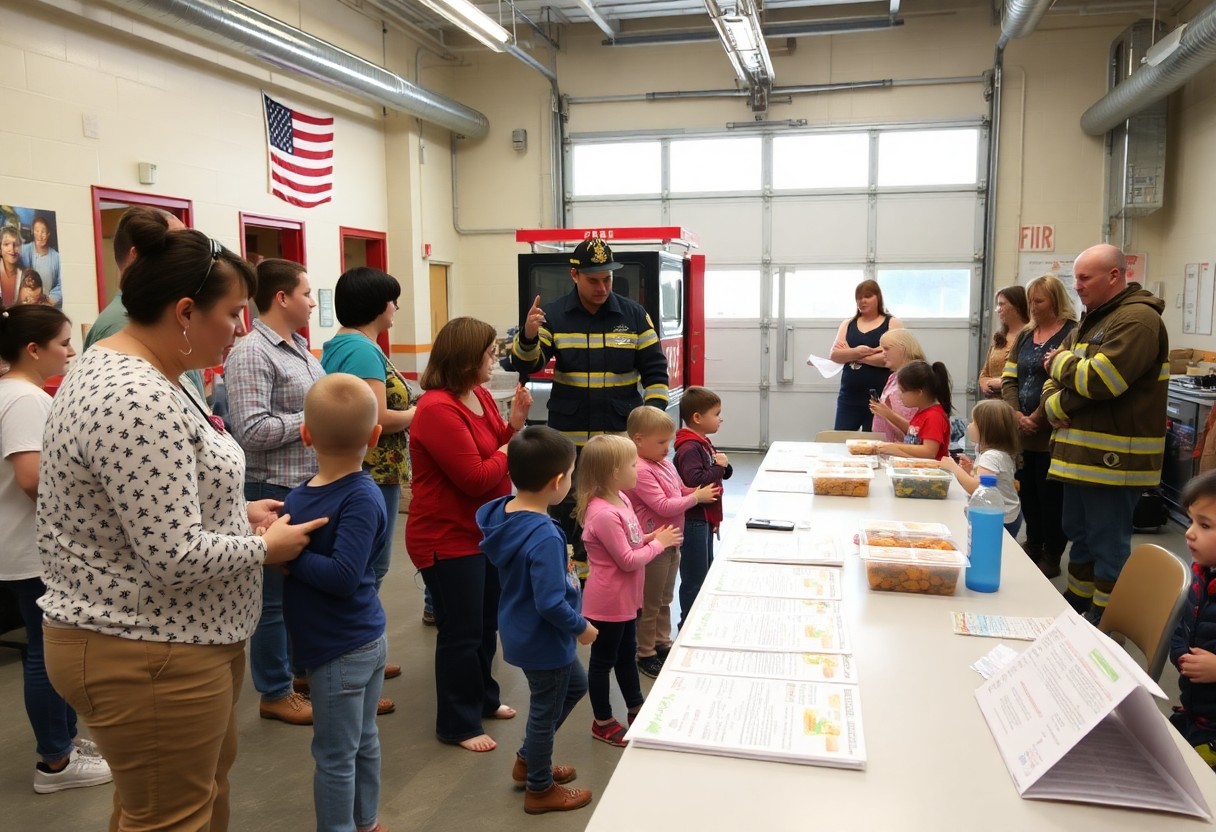
Over time, the effectiveness of your volunteer fire department can significantly improve by implementing family-centered programs that foster community involvement. Engaging families not only builds stronger bonds within the department, but also enhances support and awareness in the broader community. In this guide, you will learn how to create inclusive activities that encourage participation, promote safety education, and ultimately strengthen your department’s role in the lives of local families.
Key Takeaways:
- Engage the community through family-oriented activities that foster involvement and support for the fire department.
- Develop programs that cater to all age groups, ensuring that children, parents, and grandparents can participate together.
- Create opportunities for families to learn about fire safety and prevention, promoting awareness and education.
- Encourage collaboration between department members and families to foster stronger ties and a sense of belonging.
- Utilize feedback from families to continually improve and adapt programs to meet community needs and interests.
Understanding Family-Centered Programs
Family-centered programs in volunteer fire departments focus on integrating families into the organizational culture. These initiatives emphasize the importance of family involvement, creating a supportive environment that fosters community strength and resilience. By engaging family members, departments not only enhance their operational effectiveness but also build stronger connections within the community.
Definition and Importance
A family-centered program is designed to actively involve family members in fire department activities and decision-making. This approach is important because it acknowledges families as necessary support systems for volunteer firefighters, ultimately leading to greater morale, retention, and a sense of belonging within the department.
Benefits for Volunteer Fire Departments
Implementing family-centered programs can significantly enhance volunteer fire departments by increasing recruitment and retention rates. Communication between firefighters and their families improves, fostering a supportive network that benefits operations and community relations. Opportunities for joint activities build teamwork and social bonds, which are invaluable for effective emergency response.
Statistics support the value of family-centered initiatives: volunteer retention increases by up to 40% when families are involved. Additionally, local community surveys indicate a 30% improvement in public perception of departments that prioritize family engagement. These metrics showcase the direct correlation between involvement and operational success, illustrating how families can provide emotional and logistical support during crises, ultimately enhancing the firefighter experience and community safety.
How-To Engage Families in Volunteer Fire Departments
Engaging families in your volunteer fire department requires a commitment to understanding their unique interests and needs. By fostering a sense of belonging and recognizing what drives family members, you ensure higher participation rates and a more collaborative environment. Conduct surveys, host focus groups, or organize community forums to gather feedback directly from families. Tailor your programs to incorporate the insights you glean, making them relevant and appealing to everyone involved.
Identifying Family Interests and Needs
To effectively engage families, you must first identify their interests and needs. This process can involve personal outreach, surveys, or informal discussions during community events. Ask families about their expectations, preferred activities, and barriers to participation. Understanding their perspectives allows you to develop more targeted initiatives, which in turn fosters a stronger commitment to your volunteer fire department’s mission.
Creating Inclusive Activities
Inclusion is at the heart of engaging families in your volunteer fire department. Design activities that cater to diverse age groups and backgrounds, ensuring everyone feels welcomed and valued. Organize events like family safety days, open houses, or community cookouts that involve all family members. Utilize local resources, like schools and parks, to facilitate larger gatherings that encourage collaboration and strengthen community bonds.
Creating inclusive activities goes beyond just planning events; it requires thoughtful consideration of how to make these opportunities accessible and engaging. Involve families in the planning process to ensure that activities reflect their interests. Consider scheduling events at various times to accommodate different family schedules and providing childcare options if needed. This approach not only shows your commitment to inclusivity but also strengthens the community’s connection to the fire department, enhancing the overall experience for all participants.
Tips for Effective Communication and Outreach
Effective communication is vital for fostering strong community ties within your volunteer fire department. Utilize clear and concise messaging to convey your department’s mission and available opportunities. Incorporate various communication channels to reach diverse audiences, including newsletters, social media, and community boards.
- Be responsive to community feedback.
- Highlight involvement benefits for families.
- Share success stories and testimonials.
- Engage in two-way communication.
Perceiving the importance of regular engagement can enhance your outreach efforts significantly.
Utilizing Social Media and Community Events
Harnessing social media platforms can amplify your outreach efforts exponentially. By promoting events, sharing educational content, and engaging with community members in real time, you can build a stronger connection with families. Participate actively in local community events to increase visibility and establish your department’s commitment to family involvement. Create posts that highlight the fun, rewarding aspects of volunteering, showcasing both adults and children in action.
Building Relationships with Local Organizations
Forming partnerships with local organizations can significantly enhance your volunteer fire department’s reach. Work collaboratively with schools, youth groups, and civic organizations to promote family-centered initiatives. This collaboration can lead to mutual benefits, such as shared resources, joint events, and increased community support. Consider organizing joint training sessions or safety fairs with local organizations to provide value and encourage community involvement in your programs.
Additionally, engaging with local businesses can help secure sponsorships or donations to support family-oriented events. Establishing these relationships not only broadens your outreach but also strengthens community ties. Invite local leaders to participate in your programs, fostering a sense of shared responsibility for community safety. Developing a calendar of joint activities can encourage sustained collaboration and cultivate a network of support for your volunteer fire department’s goals.
Factors to Consider for Program Success
To ensure the success of your family-centered programs, you must contemplate various factors. These include community engagement, program accessibility, effective communication, and securing adequate funding. Evaluating these elements helps in tailoring initiatives that resonate with families and effectively foster participation. Knowing how to navigate these factors will enhance the overall impact of your programs.
Accessibility and Inclusivity
Your programs must be accessible and inclusive to attract diverse family participation. Consider varying program times, locations, and formats to accommodate community schedules. Offering resources in multiple languages and providing transportation solutions can further engage families. Striving for inclusivity ensures that no community members are left out.
Funding and Resource Allocation
A successful program requires thoughtful funding and resource allocation. Begin by assessing community resources and potential partnerships. Grants from local businesses and government initiatives can provide financial assistance, while collaborating with other community organizations can enhance event offerings. Utilize existing resources efficiently to maximize impact.
Developing a sustainable funding strategy is vital for long-term program success. Identify potential grant opportunities and create a detailed budget that outlines expected expenses and revenue sources. Engage your local community by hosting fundraising events and establishing sponsorships to secure ongoing financial support. A well-planned financial strategy not only alleviates pressure on your department but also builds trust within your community by demonstrating your commitment to enhancing their involvement.
Evaluating Program Effectiveness
After implementing your family-centered programs, evaluating their effectiveness is imperative to ensure they meet participant needs and foster community engagement. Assessing both qualitative and quantitative data allows you to measure participation rates, satisfaction levels, and overall program impact. Regular analysis helps identify strengths and weaknesses, guiding future improvements and sustained involvement.
Collecting Feedback from Participants
Gathering feedback from participants is vital for understanding their experiences and perceptions of your programs. Use surveys, one-on-one interviews, and group discussions to solicit input on what worked well and what could be improved. By encouraging honest opinions, you create an environment where families feel valued and motivated to contribute to program development.
Adjusting Programs Based on Feedback
Use the feedback collected to make informed adjustments to your programs, ensuring they resonate with participants. Small changes like tweaking event schedules or incorporating new activities based on interests can significantly enhance engagement. Staying flexible and responsive demonstrates your commitment to meeting community needs, fostering a sense of ownership among participants.
Taking actionable steps based on participant feedback can lead to substantial improvements in your programs. For instance, a family-centered event initially scheduled for a Saturday morning may see low attendance. After collecting feedback, you might discover that families prefer Sunday afternoons. Adjusting the schedule based on this information could double family participation, illustrating the importance of actively listening to community voices. Staying adaptable as you evolve your offerings not only attracts new participants but also retains those who have strong connections with your fire department.
Inspiring Long-Term Family Commitment
Instilling a commitment to your fire department within families requires meaningful engagement and shared experiences. Encourage families to participate in training sessions, community events, and open houses, creating a platform for education and connection. By facilitating opportunities for families to bond over their shared roles in the community, you cultivate a lasting sense of belonging and responsibility. Highlight stories of families who’ve remained engaged over the years, showcasing the impact of their involvement and nurturing a legacy of service.
Building a Sense of Community
Fostering a sense of community within your fire department makes families feel valued and connected. By organizing regular family-centered events, you provide a space for interaction and networking. Activities like family picnics, safety workshops, and volunteer days promote camaraderie among department members and their families, enhancing overall engagement and unity.
Recognizing Family Contributions
Acknowledging the efforts and contributions of families is vital for sustaining long-term commitment. Implement recognition programs that celebrate their participation, such as awards or shout-outs during meetings. By publicly appreciating the roles families play, you not only motivate them but also reinforce the importance of their involvement within your fire department.
Recognition should be meaningful and personalized. Consider creating a “Family of the Month” spotlight, showcasing each family’s unique contributions to the department. You can also host annual appreciation events to honor families collectively, solidifying their importance. Providing opportunities for families to share their experiences can further enhance community ties, allowing them to see the tangible impact of their efforts and fostering a shared sense of purpose.
Final Words
Ultimately, creating family-centered programs for volunteer fire department engagement requires thoughtful planning and an understanding of your community’s dynamics. By fostering an inclusive environment that values participation from all family members, you can strengthen community ties and enhance operational effectiveness. Prioritize activities that cater to all ages and highlight the importance of teamwork, safety, and education. Your efforts will not only build stronger relationships within the department but will also encourage a culture of support and involvement among families in your community.