There’s a pressing need for effective communication within your volunteer fire department, especially concerning public information outreach. By modernizing your PIO strategies, you can enhance community engagement, build trust, and ensure that vital information reaches your local residents swiftly. Utilizing digital tools, social media platforms, and streamlined messaging can significantly improve how you share life-saving information with your community, transforming your department’s visibility and impact. This guide will provide the imperative steps to elevate your outreach efforts and create a more informed and connected community.
Key Takeaways:
- Utilize social media platforms to engage with the community and share timely updates.
- Develop consistent branding for all communication materials to enhance recognition.
- Provide training for PIOs on effective communication strategies and crisis management.
- Establish partnerships with local organizations to broaden outreach and support.
- Regularly assess and adapt outreach strategies based on community feedback and engagement metrics.
Understanding the Role of a PIO
In any organization, the role of a Public Information Officer (PIO) is vital for ensuring clear communication between the department and the community it serves. The PIO acts as the primary spokesperson, responsible for disseminating accurate and timely information during emergencies, events, and day-to-day operations. This position requires a blend of communication skills, crisis management abilities, and a deep understanding of both the department’s mission and the needs of the public.
Definition of Public Information Officer
A Public Information Officer (PIO) serves as the liaison between your fire department and the public, media, and other organizations. By effectively managing the flow of information, the PIO ensures that the community stays informed about fire safety, emergency responses, and departmental activities. This role offers the opportunity to shape public perception and build trust within the community, which is important for volunteer fire departments.
Importance of PIO in Volunteer Fire Departments
The PIO is important within volunteer fire departments as it fosters transparency, enhances community relationships, and ensures vital public safety messages reach residents. By actively engaging with the community, the PIO educates the public on fire prevention, safety protocols, and departmental initiatives, which boosts support for training and recruitment efforts.
Without a dedicated PIO, volunteer fire departments risk miscommunication, which could lead to public misunderstanding or even panic during emergencies. A strong PIO can leverage social media platforms to share real-time updates, safety tips, and fire prevention education, reaching thousands in your community. Research indicates that departments with a well-implemented PIO strategy experience a 50% increase in community engagement, highlighting the value of this position in not only managing information but also in building a robust support system for volunteer firefighting efforts.
Assessing Current Outreach Efforts
To effectively modernize your department’s communications, begin by assessing your current outreach efforts. This involves a thorough review of existing strategies, strengths, and weaknesses. Gather feedback from both volunteers and community members to identify gaps in your approach and understand what resonates well with your audience. This assessment will inform your next steps and ensure that your outreach is aligned with contemporary expectations and capabilities.
Identify Existing Communication Channels
Start by cataloging all the communication channels currently in use, such as social media platforms, newsletters, and community events. Assess their effectiveness and audience reach. Are you utilizing Facebook and Instagram effectively to connect with younger demographics while also reaching older community members through traditional methods like emails or flyers? Recognizing existing channels will help you spot opportunities for improvement.
Evaluate Community Engagement Strategies
Analyzing your community engagement strategies allows you to pinpoint what works and what doesn’t. Look at participation rates in events or activities, social media engagement statistics, and feedback gathered through surveys. For instance, if a community event attracted 50% more attendees than last year, reflect on the promotional tactics used to achieve this success. Conversely, if certain methods failed to gain traction, investigate the reasons behind their lack of effectiveness.
Evaluating your community engagement strategies should involve thoughtful consideration of past initiatives. You can analyze events, such as open houses or safety demonstrations, identifying which attracted significant interest and participation. Targeted surveys could reveal why some activities resonate deeply while others fade into the background. For example, community members may respond well to hands-on fire safety classes but show less interest in informational meetings. By focusing on successful strategies and adapting or eliminating ineffective ones, you’ll refine your outreach to foster stronger community connections.
Modern Communication Tools and Techniques
Utilizing modern communication tools can significantly boost your volunteer fire department’s outreach efforts. Embracing technology allows you to connect with your community in more engaging ways. Leveraging diverse platforms will ensure that your messaging is timely, relevant, and widely disseminated, which in turn builds trust and support among local residents.
Social Media Platforms
Social media platforms are important for real-time communication and engagement. With platforms like Facebook, Instagram, and Twitter, you can share updates, safety tips, and important announcements to a broad audience. Creating interactive posts can also encourage community interaction, enhancing your department’s visibility and rapport.
Digital Newsletters and Websites
Digital newsletters and websites serve as repositories for valuable information. They allow you to communicate more in-depth news, upcoming events, and volunteer opportunities. By visually appealing designs and clear messaging, you can ensure your community is well-informed and engaged with your department’s initiatives.
Your website should be user-friendly and mobile-responsive to cater to varying user preferences. Incorporate a blog section to share success stories, safety advice, and training announcements. You can also utilize newsletters to highlight community events, tips for fire safety, and volunteer recruitment drives, ensuring that subscribers always receive the latest updates directly to their inboxes.
Mobile Apps for Community Engagement
Mobile apps can enhance community engagement by offering a direct link between your fire department and residents. They enable users to report issues, access local resources, and receive critical alerts in real-time, which is particularly important during emergencies.
Developing a mobile app tailored to your community can integrate features such as emergency notifications, event calendars, and resources for safety education. Encouraging local residents to download the app helps create a connected community, where they feel empowered to report incidents or participate in local training sessions, strengthening the partnership between the fire department and the public.
Crafting Effective Messaging
The effectiveness of your outreach hinges on how well you craft your messages. By focusing on clarity and conciseness, you ensure that vital information is absorbed quickly. Use active language and resonate emotionally with your audience to create a stronger connection. Keeping messages brief, around 100 words or less, helps in maintaining attention and prompting action, whether it’s recruitment, funding, or safety awareness.
Key Messaging Techniques
Emphasize simplicity and clarity in your messaging by using straightforward language. Avoid jargon that may alienate your audience. Use powerful headlines to grab attention, and support your messages with impactful visuals or statistics. Incorporate storytelling elements, including real-life experiences or testimonials, to foster an emotional connection and enhance retention.
Tailoring Information for Specific Audiences
Understanding your target demographic is vital for effective communication. By segmenting your audience based on interests, demographics, and engagement levels, you can customize your messages to meet their unique needs and concerns. This approach increases the likelihood of a positive response and strengthens community engagement.
For instance, if you’re addressing potential volunteers, highlight the benefits of joining your fire department, such as skills training and community impact. Conversely, when communicating with local businesses, focus on partnership opportunities that enhance community safety and visibility. Using tailored messages, you not only show that you understand your audience but also create a deeper connection that drives action.
Tips for Enhancing Community Relations
Building strong community relations is vital for your volunteer fire department. Focus on frequent engagement and clear communication to ensure the community feels connected and informed. Consider these strategies:
- Foster trust by being transparent in your operations.
- Utilize social media to provide updates and insights.
- Host regular community meetings to encourage dialogue.
- Develop educational programs that highlight fire safety and prevention.
Recognizing the importance of community trust can significantly enhance your department’s image and effectiveness.
Building Trust and Transparency
Establishing trust requires open lines of communication with your community. Share information about your activities, operational changes, and safety initiatives. Transparency fosters a sense of security and allows community members to feel involved in your fire department’s mission. Regular updates through newsletters and social media posts can contribute to a stronger relationship.
Conducting Public Outreach Events
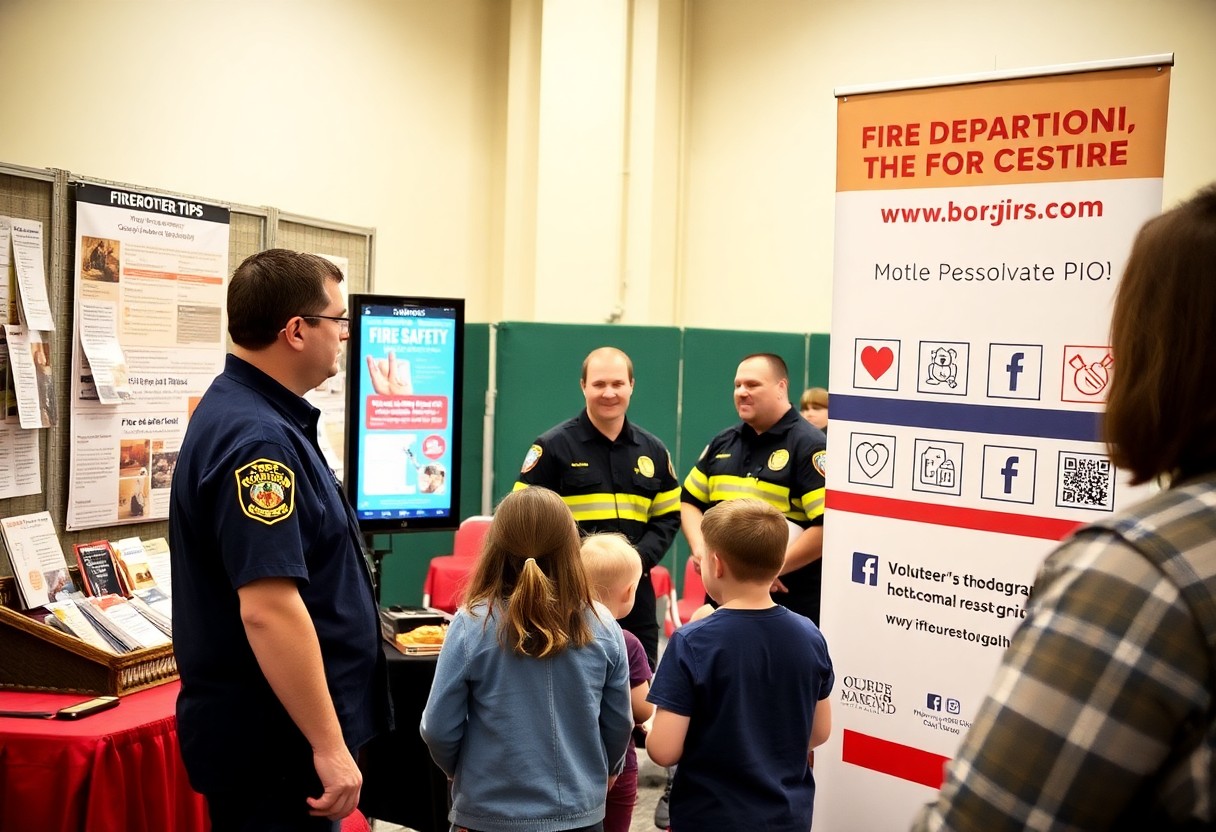
Engaging with the community through public outreach events allows you to connect on a personal level. Organize family-friendly activities like open houses, fire safety workshops, and demonstrations. These initiatives show your commitment to public safety and create a welcoming atmosphere for community interaction.
Consider planning events at local schools, parks, or community centers. For example, hosting a fire safety day can be a hands-on experience where families learn about fire prevention while enjoying fun activities. Each event provides an opportunity not just to educate, but also to demonstrate your department’s dedication to community well-being. Over time, these events build familiarity and rapport, making community members feel more secure and connected to your team.
Monitoring and Evaluating Outreach Success
To enhance outreach efficacy, regularly monitoring and evaluating your efforts is important. This practice helps you to identify which strategies work best, ensuring that your time and resources are effectively allocated. Utilize analytics from social media, website traffic, and community engagement metrics to assess engagement levels and adjust your approach accordingly.
Setting Key Performance Indicators
Establishing clear Key Performance Indicators (KPIs) is vital for tracking the success of your outreach initiatives. Focus on metrics such as the number of event attendees, social media engagement rates, and feedback responses to measure progress. Analyzing these metrics allows you to make data-driven decisions that can lead to improved community impact.
Gathering Community Feedback
Collecting feedback from the community is an important aspect of evaluating your outreach efforts. Implement surveys, social media polls, or direct conversations to understand community perceptions and areas for improvement. This transparency fosters trust and enhances your department’s relationship with local residents.
Consider hosting periodic town hall meetings, where community members can voice their thoughts directly. Utilizing online platforms like SurveyMonkey or Google Forms can streamline feedback collection. Aim for a mix of qualitative and quantitative data by including open-ended questions alongside rating scales. This approach will offer you valuable insights while reinforcing your commitment to community engagement. Sharing the results can further strengthen your rapport with residents, showing that their opinions matter in shaping your outreach strategy.
To wrap up
With this in mind, modernizing your volunteer fire department’s PIO outreach requires a proactive approach to communication and engagement. By embracing digital platforms, fostering community relationships, and consistently evaluating your strategies, you enhance your department’s visibility and effectiveness. Implementing tailored messaging and utilizing feedback loops will ensure that your efforts resonate with the community you serve. As you adapt to the evolving landscape of public relations, your outreach will not only inform but also inspire trust and collaboration with your supporters.